
ASEAN ENMAPS Project successfully conducted Training Workshops on Integrated and Sustainable Governance and Management for Ticao-Burias Pass Protected Seascape (TBPPS)
Thursday, 21 May 2026
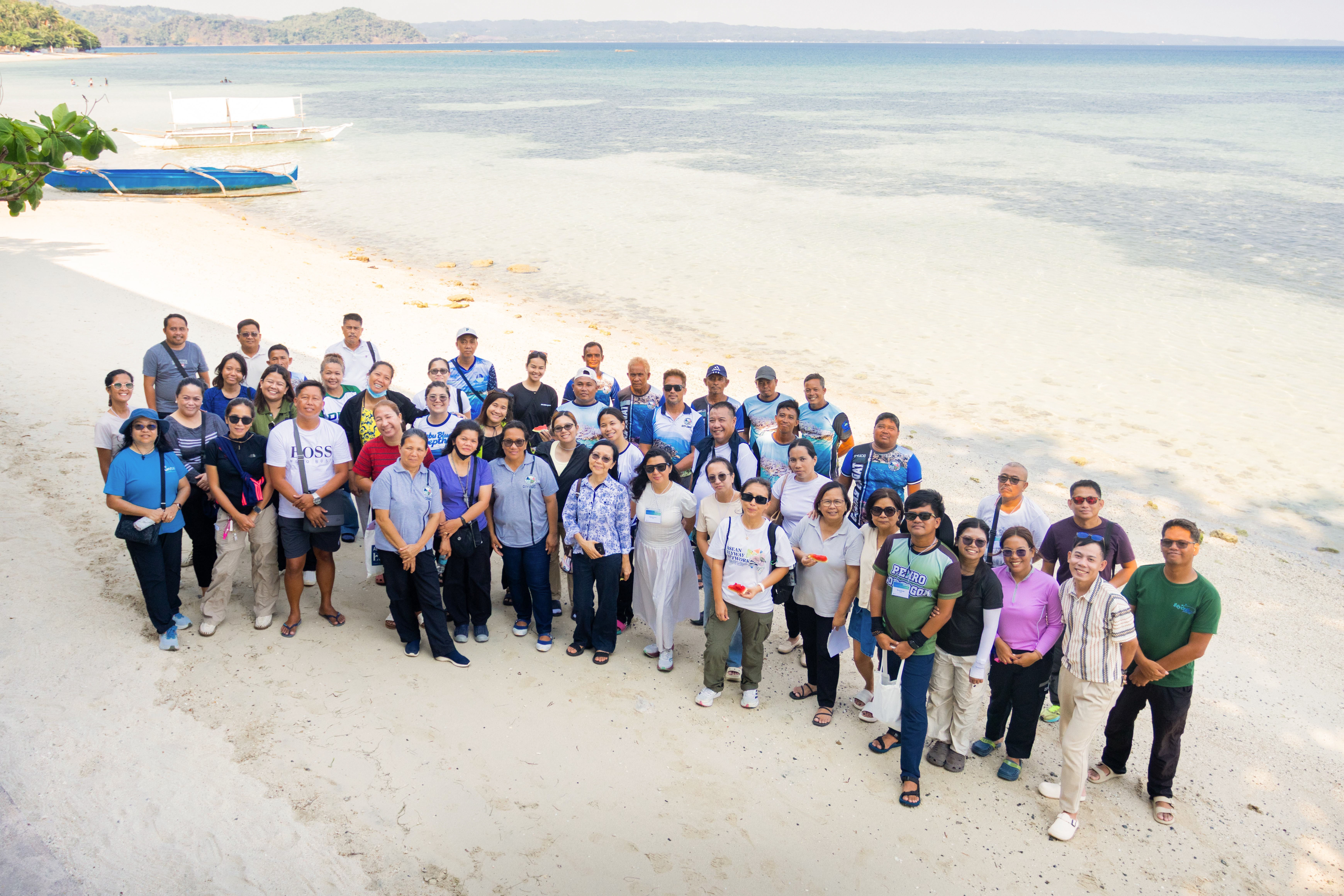
ASEAN ENMAPS Training participants and Bantay Dagat and City Fisheries and Aquatic Resources Management Council (CFARMC) representatives during the site visit to the Bantay Dagat Patrol Base of Ligao City, Albay, Philippines.
Masbate and Legazpi City, Philippines — Partnerships in Environmental Management for the Seas of East Asia (PEMSEA), the ASEAN Centre for Biodiversity (ACB), and the Department of Environment and Natural Resources - Biodiversity Management Bureau (DENR-BMB) successfully conducted two training workshops on the Integrated and Sustainable Governance and Management of the Ticao-Burias Pass Protected Seascape (TBPPS). The training workshops were held in San Jacinto, Masbate, from April 13 to 18, and in Legazpi City, Albay, from May 11 to 16, 2026. The TBPPS is the second largest national MPA in the Philippines, established under the Expanded National Integrated Protected Area System (E-NIPAS Act of 2018).
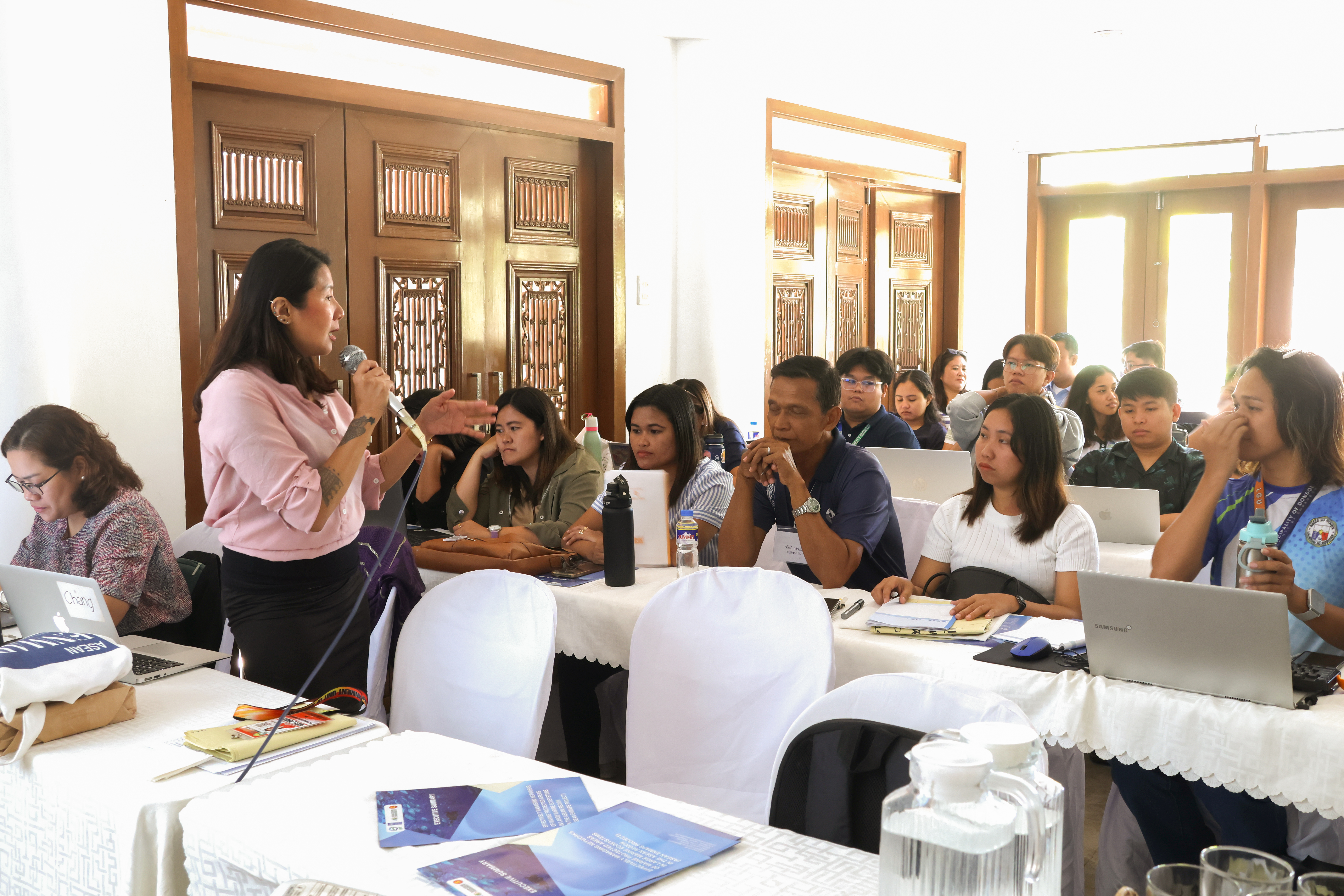
Ms. Charisse Jordan of ACB, encouraging participants to mainstream gender equity/equality, disability and social inclusion into local planning and management in TBPPS.
The participants included 78 representatives from the provinces, cities and municipalities of Albay, Camarines Sur, Masbate, and Sorsogon, TBPPS Protected Area Management Office (PAMO), National Government Agency representatives from Region 5, and key academic institutions in TBPPS. Representatives from the DENR-BMB’s Coastal and Marine Division, Ocean Environments Task Force (OETF), and NIPAS Capacity Development Program (NIMCAP) Mentors were on hand to help facilitate the group exercises and discussions.
Initiated as part of Component 2 of the GEF/UNDP/ACB Effectively Managing Networks of Marine Protected Areas in Large Marine Ecosystems in the ASEAN Region (ASEAN ENMAPS) Project, the training workshop series aimed to: (a) enhance the knowledge and capacity of key stakeholders on sustainable and integrated management approaches; (b) develop and mainstream integrated coastal management (ICM) and coastal and marine spatial planning (CMSP) in TBPPS; (c) conduct climate-smart, gender-responsive action planning, implementation, and monitoring; (d) facilitate participatory governance and community engagement; and (e) share knowledge on the blue economy, ecosystem valuation, biodiversity-friendly enterprises, and sustainable financing.
Ms. Anabelle Cayabyab of Cavite PG-ENRO delivering her presentation on ICM implementation and sharing the best practices they are currently conducting in Cavite, Philippines.
Sharing Knowledge on Integrated Coastal and Area-Based Management Approaches
Leveraging more than 30 years of experience in pioneering ICM framework, PEMSEA invited experts and LGU ICM practitioners to provide vital insights into ocean science, modern management approaches and blue economy. These specialists shared proven strategies for creating actionable plans that can be replicated by the local government units (LGUs) along the TBPPS corridor.
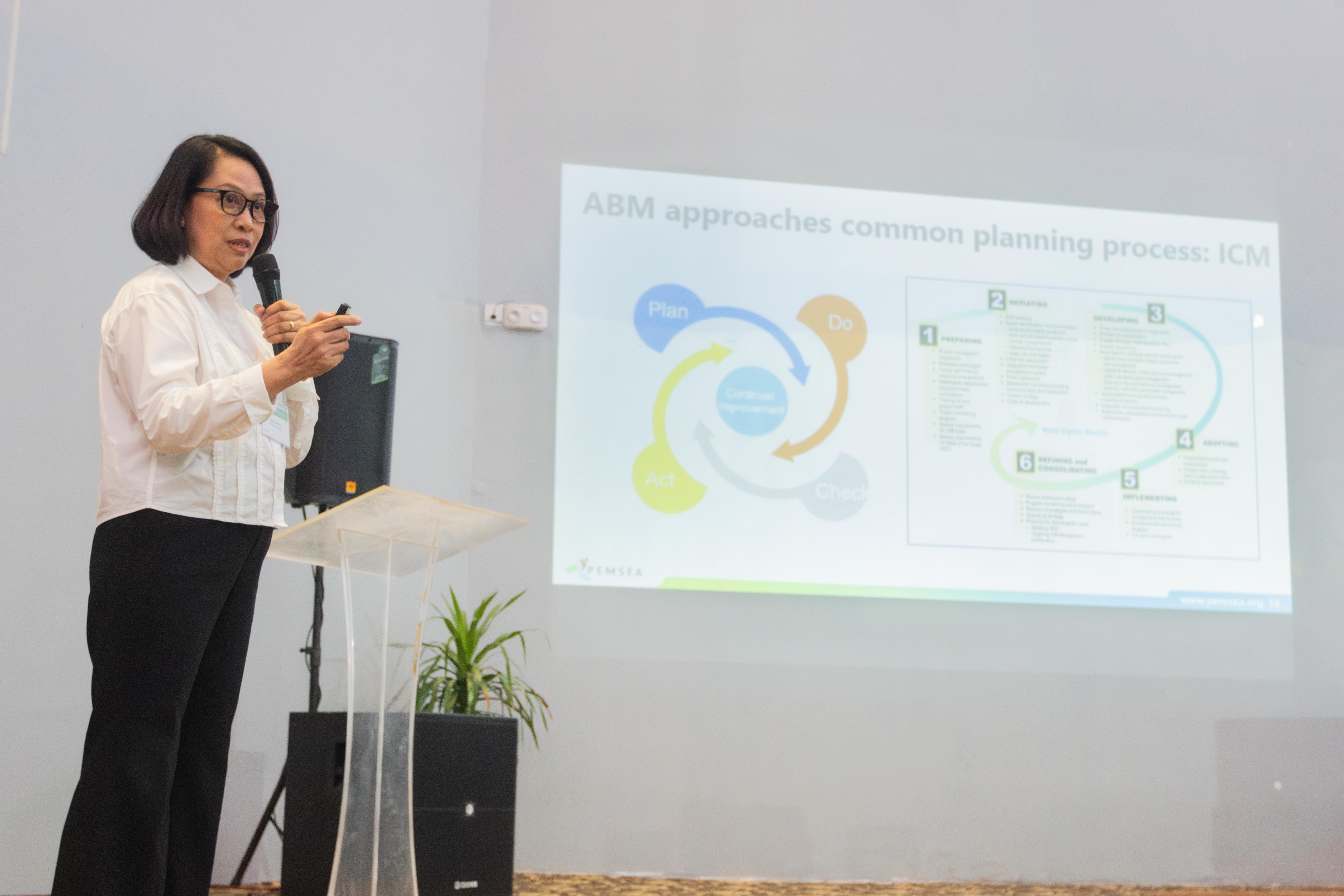 | 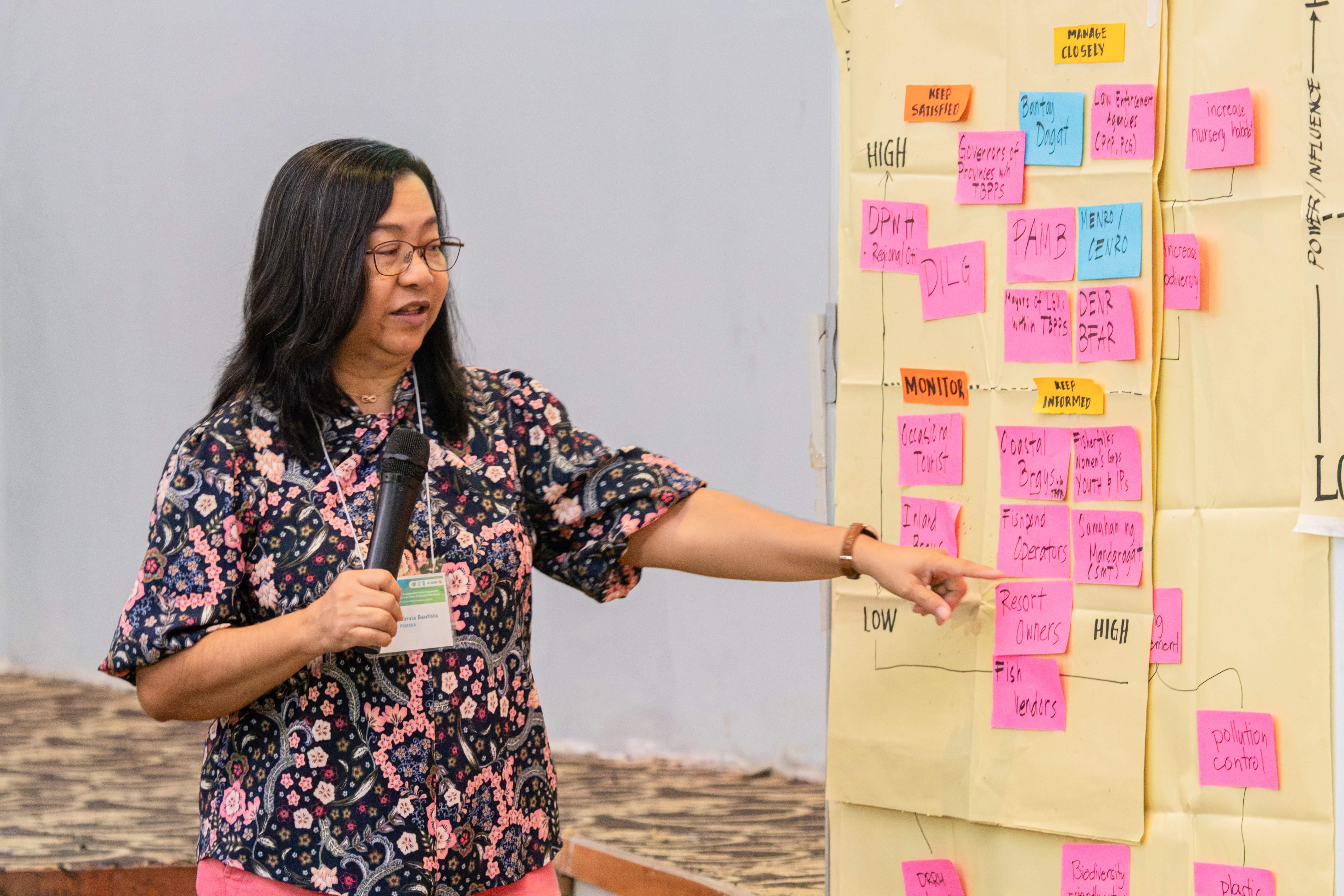 |
Ms. Nancy Bermas and Ms. Maricor Ebarvia of PEMSEA Resource Facility.
In his opening remarks during the second leg of the training, DENR Region 5 Regional Executive Director Francisco E. Milla, Jr., CESO III, emphasized that an integrated management approach is paramount to preserving and protecting the seascape.
“Integrated coastal management requires integration not only of plans, but of people. Marine spatial planning requires spatial understanding, dialogue, negotiation and shared visioning. Community-based conservation requires trust—and trust is built when people sit together, exchange ideas, challenges, assumptions, and work collectively towards solutions,” he said.
The training workshop featured 21 comprehensive modules covering ICM, Marine Spatial Planning, and various strategic approaches that can be infused directly into existing municipal and city development plans. To provide practical insights, the Provincial Government-Environment and Natural Resources Offices (PG-ENROs) of Bataan, Batangas, Cavite and Guimaras—all member sites of the PEMSEA Network of Local Governments (PNLG)—presented local case studies. These highlighted their experiences, best practices, and the tangible benefits of applying ICM to resolve priority environmental issues. Experts from ACB, University of the Philippines – Marine Science Institute (UPMSI), DENR (BMB and Region 5 and 7), World Wide Fund for Nature (WWF) Philippines, and Conservation International (CI) Philippines delivered some of the training modules and case studies.
Representatives from the DENR’s OETF shared ongoing initiatives on mainstreaming ICM into local Comprehensive Land Use Plans (CLUPs) and the development of a Joint Memorandum Circular (JMC) among five national agencies – DENR, Department of Agriculture – Bureau of Fisheries and Aquatic Resources (DA-BFAR), Department of Interior and Local Government (DILG), Department of Human Settlements and Urban Development (DHSUD), and Department of Science and Technology – Philippine Council for Agriculture, Aquatic, and Natural Resources Research and Development (DOST-PCAARRD). The potential for using the TBPPS region as one of the pilot sites for the JMC roll-out was also discussed.
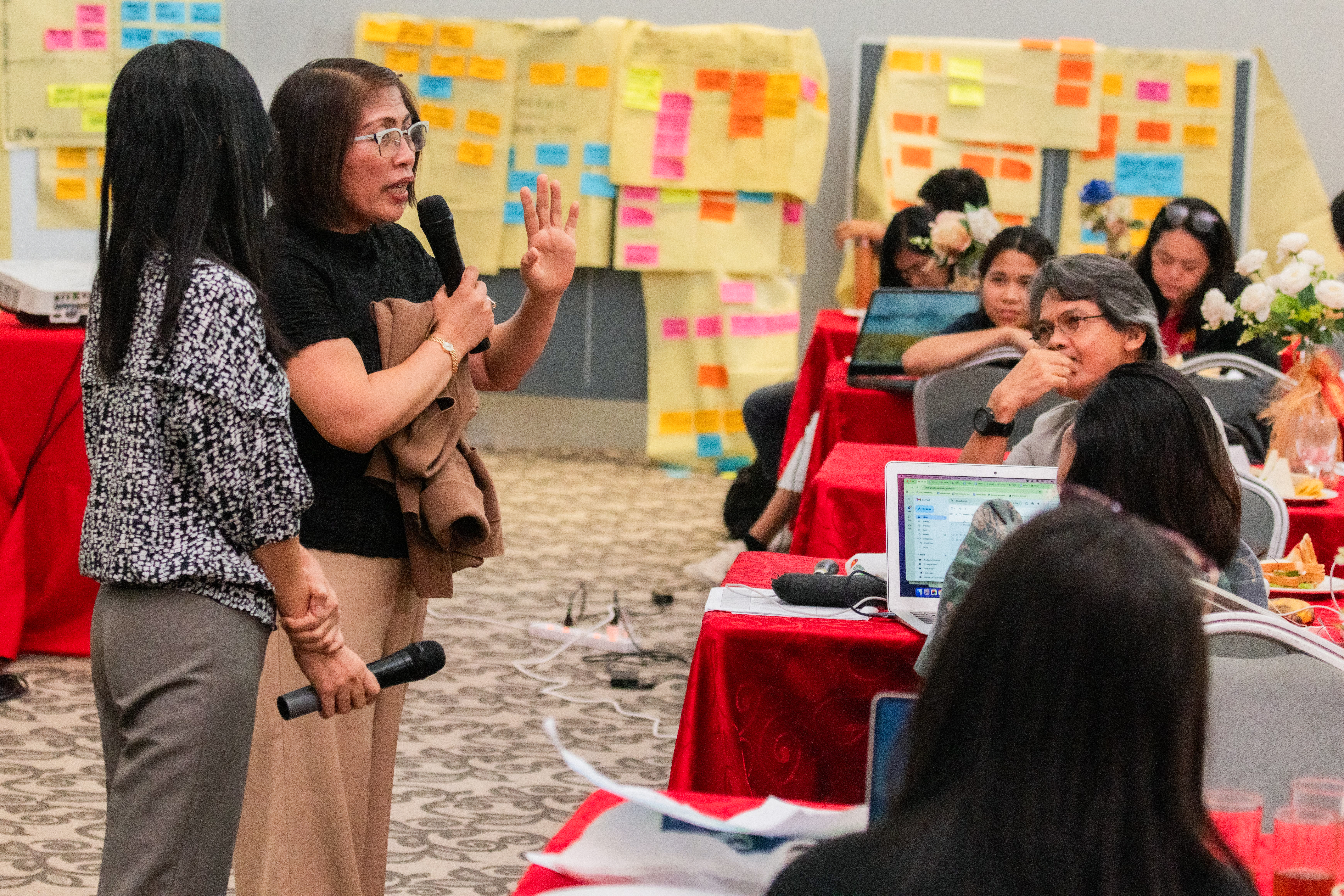
Dr. Marivic Esmas of Batangas PG-ENRO during Q&A with participants regarding their experience in establishing their environment laboratory through the technical guidance of PEMSEA.
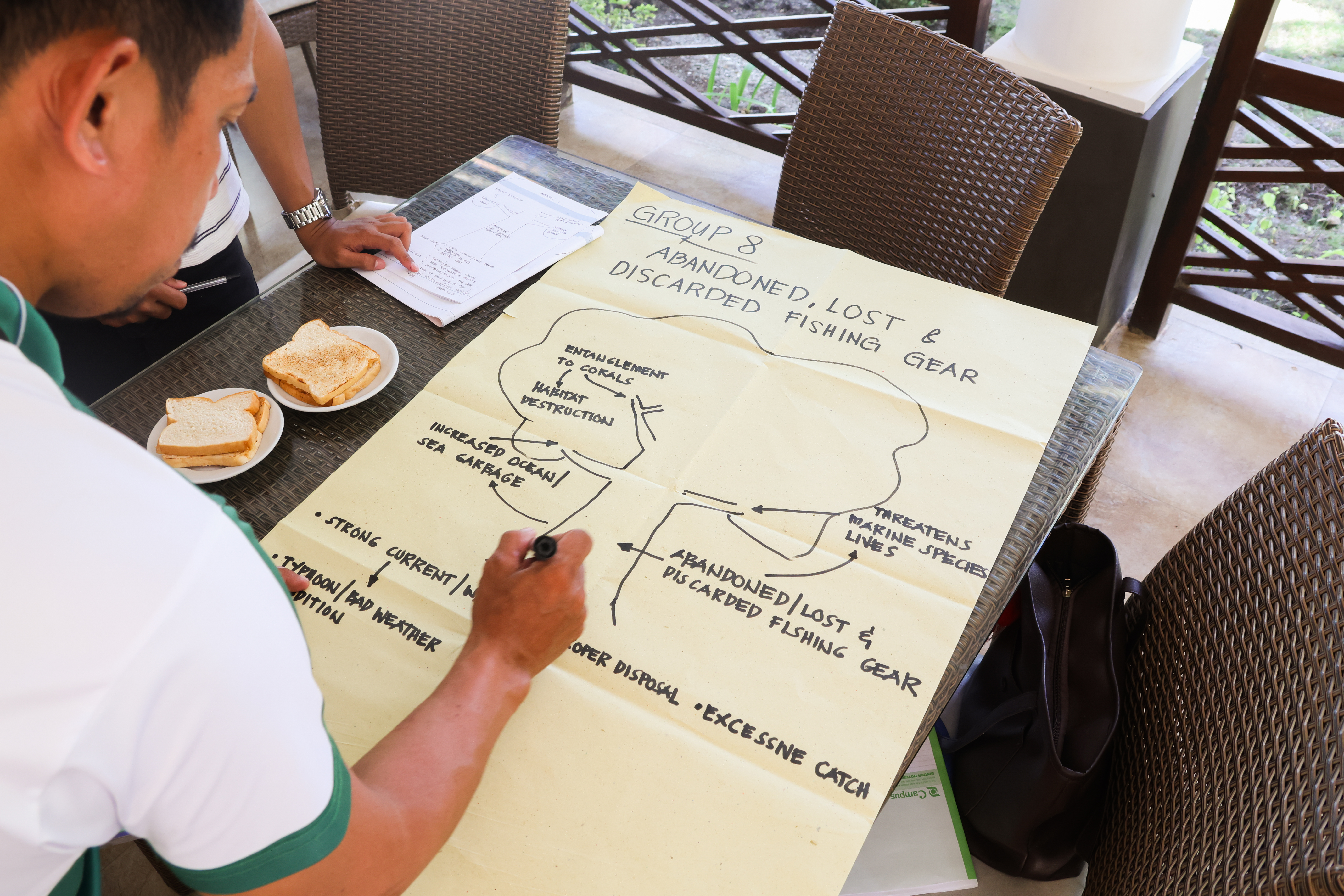
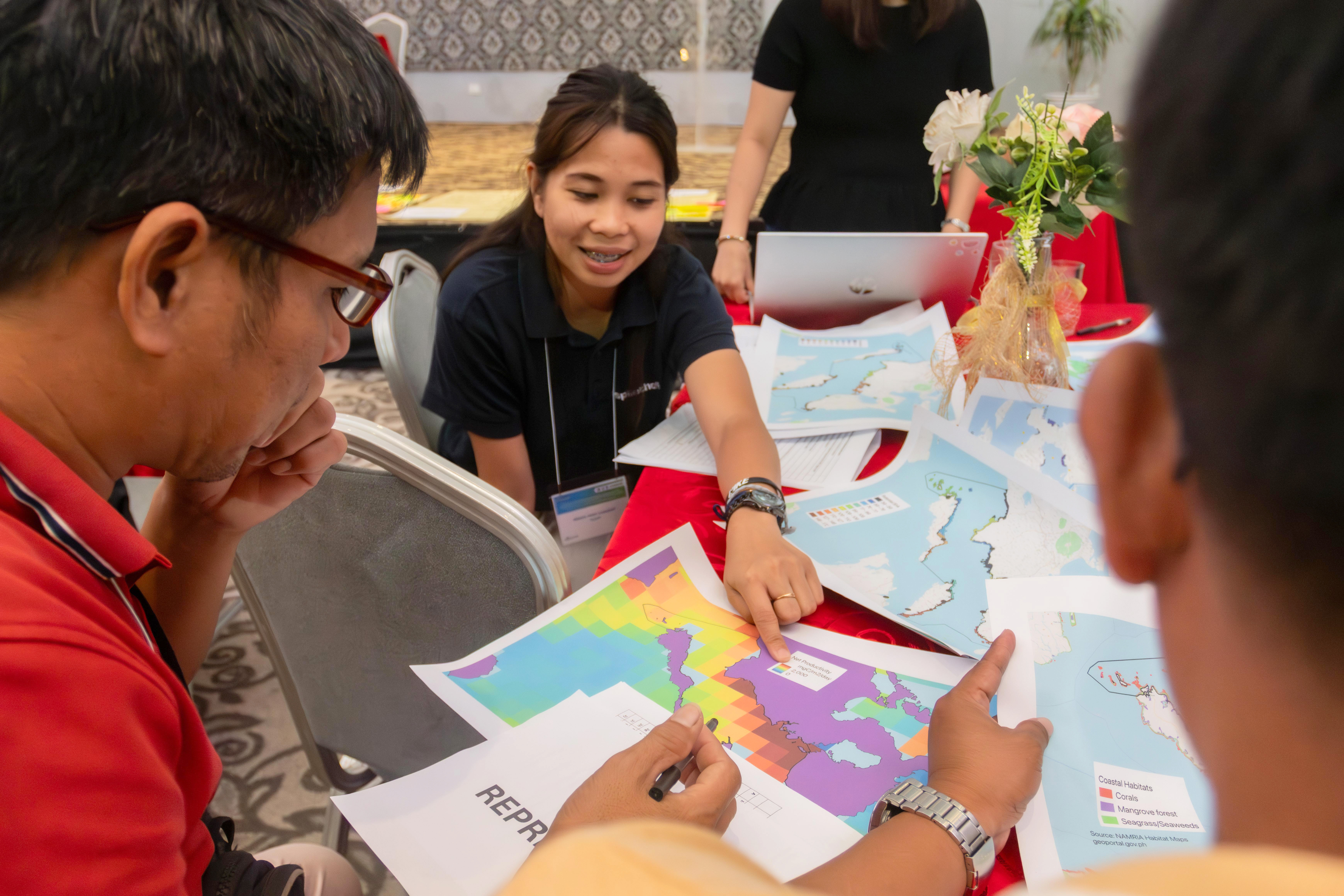
Participants also engaged in in-depth discussions focused on developing sustainable, climate-smart, gender-responsive, and inclusive development strategies. Key topics included mainstreaming ICM into CLUPs and local ordinances, State of the Coasts (SOC) reporting, the Blue Economy, and the refinement of localized action plans through robust monitoring and evaluation frameworks. Interactive workshop exercises, such as stakeholder and situational analyses, further enhanced the hands-on learning experience.
 |  |
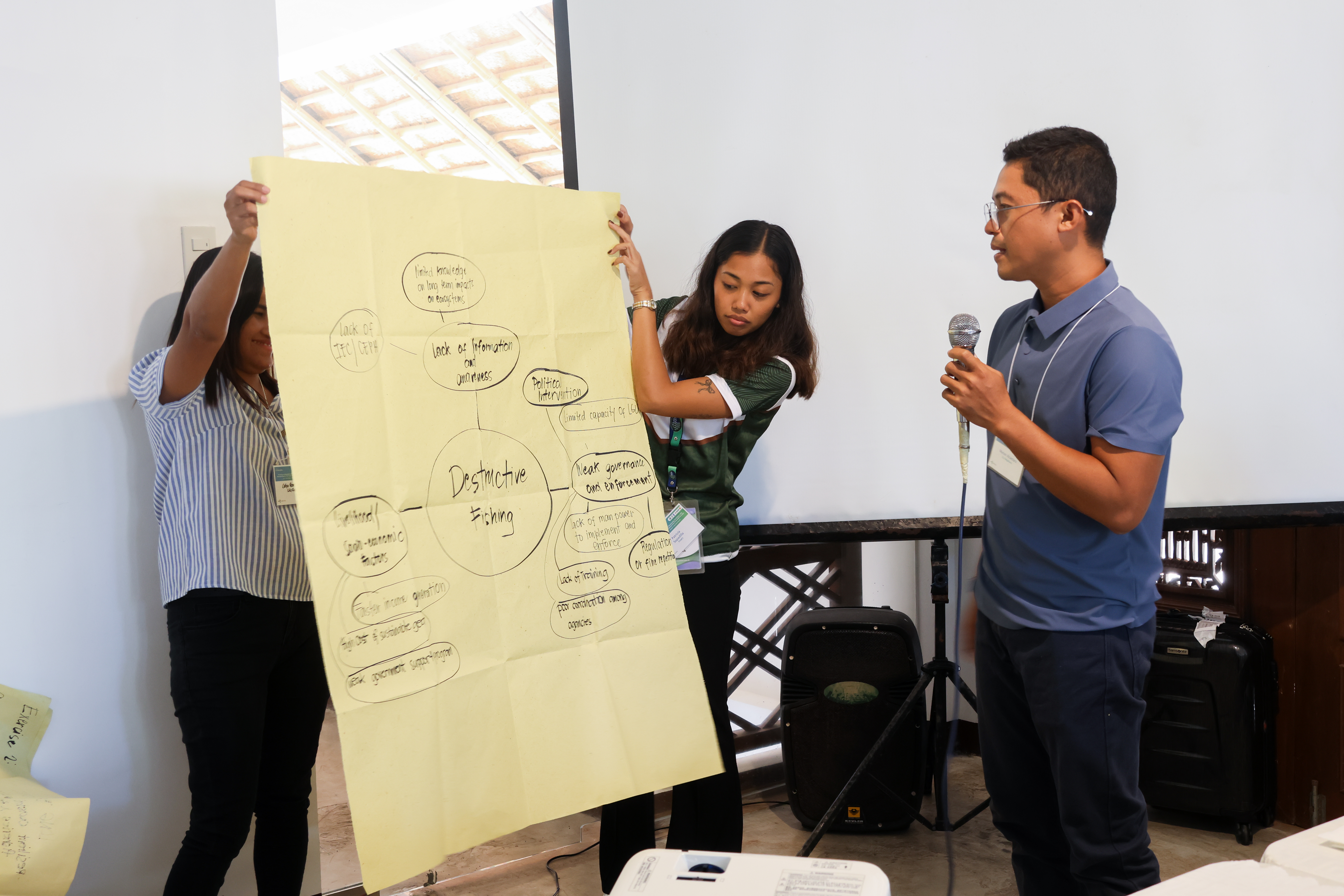 |  |
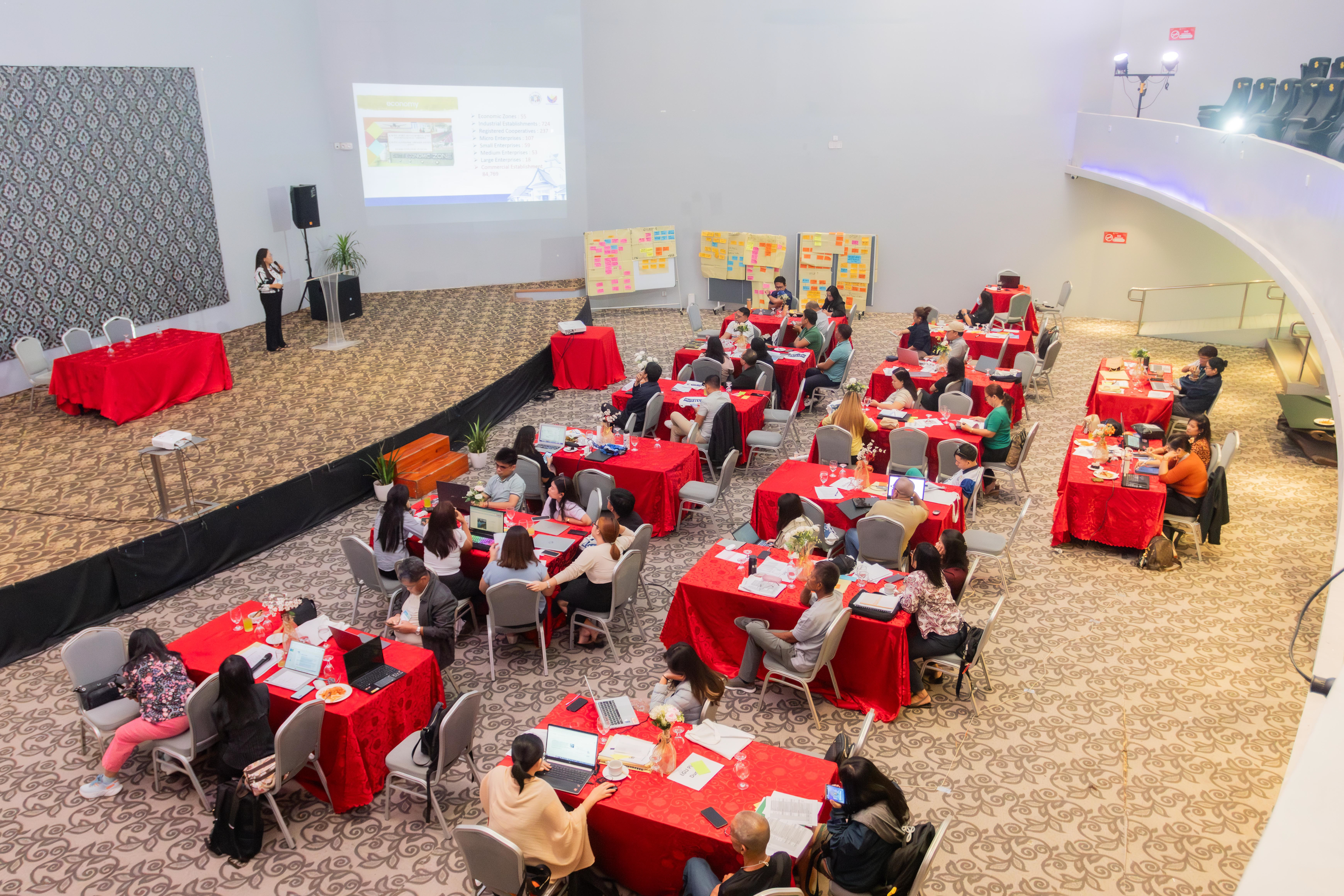
Participants during interactive exercises on problem tree analysis, MSP mapping, situation and stakeholder mapping and developing action plans for TBPPS.
Translating Lessons into Future Plans for TBPPS
Known for ecologically important species like whale sharks, manta rays, dugongs, marine turtles and the globally rare Megamouth shark (Megachasma pelagios), the TBPPS is also a major fishing ground in Region 5. Consequently, this collaborative training is deemed crucial for shaping future programs that require a unified, holistic approach across the 18 Local Government Units (LGUs) in the four provinces and with concerned NGAs, communities and other stakeholders.
Ms. Kelly Tan, representing the Municipal Environment and Natural Resources Office (MENRO) of Bulan, acknowledged the urgent need for a unified front to protect the seascape.
“An integrated management approach is necessary for safeguarding marine protected areas because a single province cannot do it alone—it must be holistic and collaborative," Tan said.
Ms. Maria Soledad Preña of the Ligao City LGU also highlighted how the knowledge-sharing activities and practical exercises will boost ongoing localized programs to help them mainstream ICM into their CLUP.
“There is a significant opportunity to implement the insights gained from this training into our programs. While our current plan focuses on integrated coastal resource management, the concepts taught in this training cover the broader scope of Integrated Coastal Management. Consequently, we can update our management plan to enhance its effectiveness and inclusivity.” Preña added.
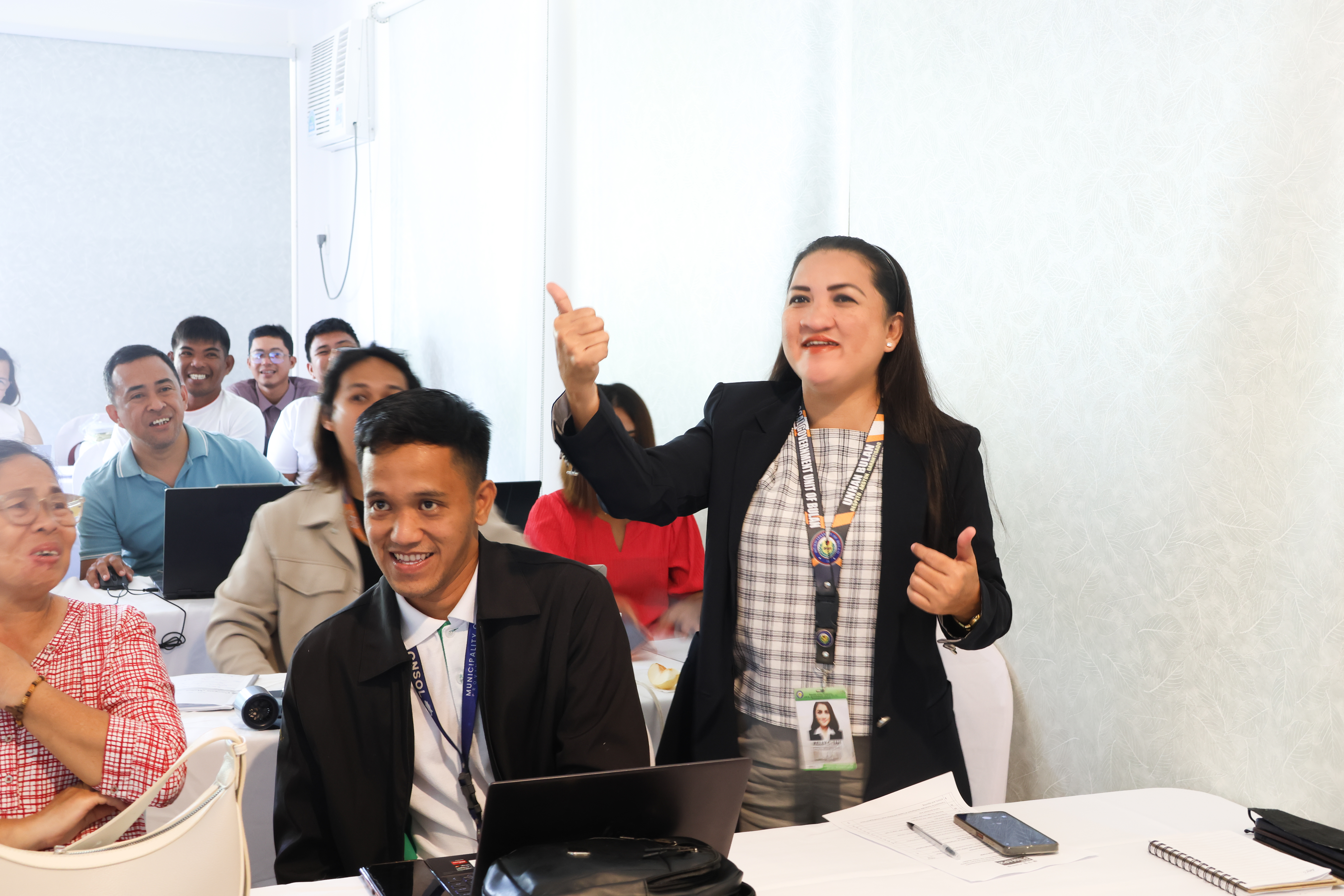 | 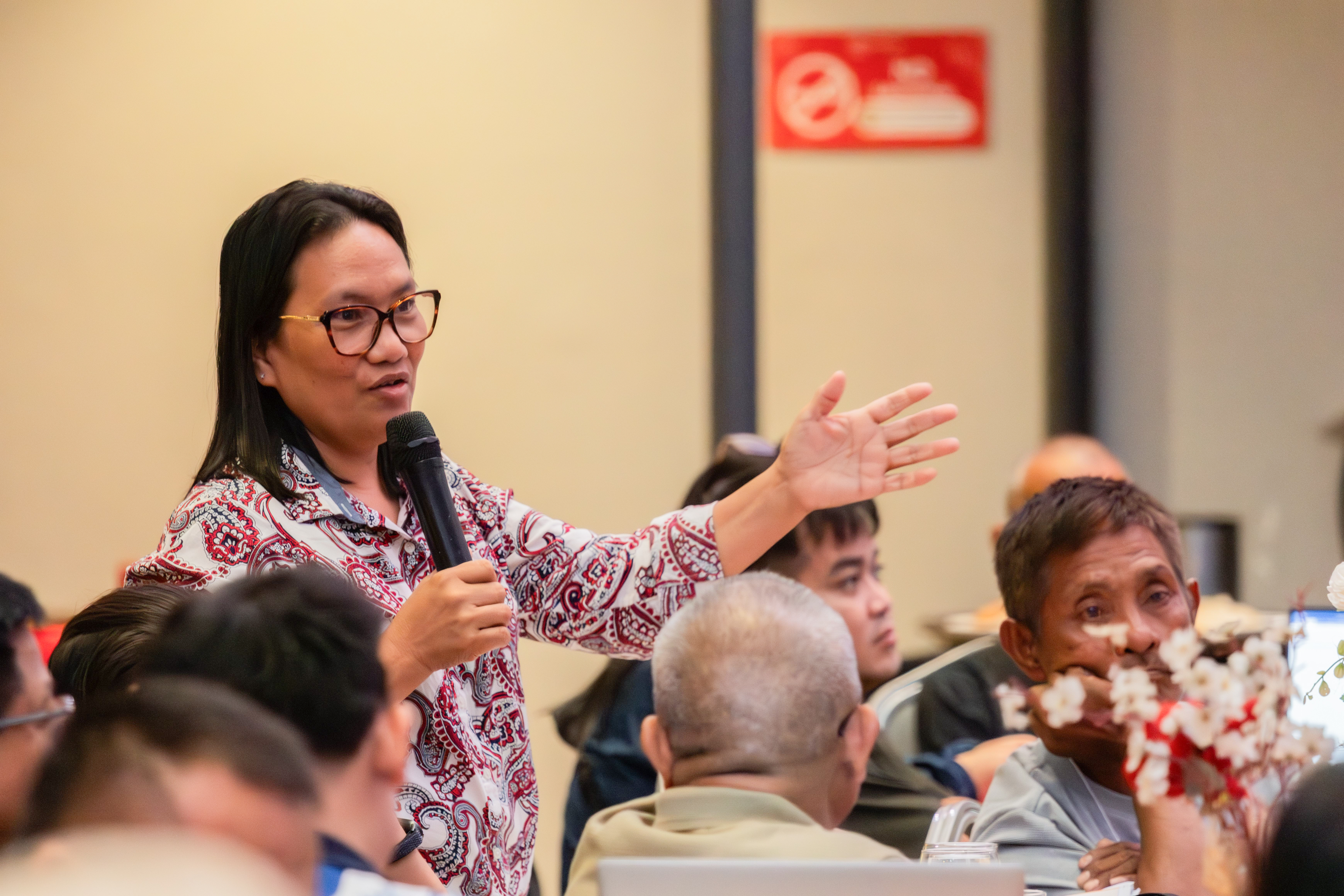 |
Ms. Kelly Tan of the Municipality of Bulan, Sorsogon (left) and Ms. Maria Soledad Preña of Ligao City, Albay (right).
Ultimately, the ASEAN ENMAPS Project training did not just identify opportunities for enhancing the local plans of individual LGUs. Under the continuous guidance of DENR Region 5, the lessons learned from these back-to-back events are set to form the foundation of a broader and inclusive plan for the TBPPS.
As RED Milla concluded, “Your [training] outputs will help guide the updating of the TBPPS management plan, strengthen local ICM plans, improve zoning frameworks, and influence policy directions across the region.”
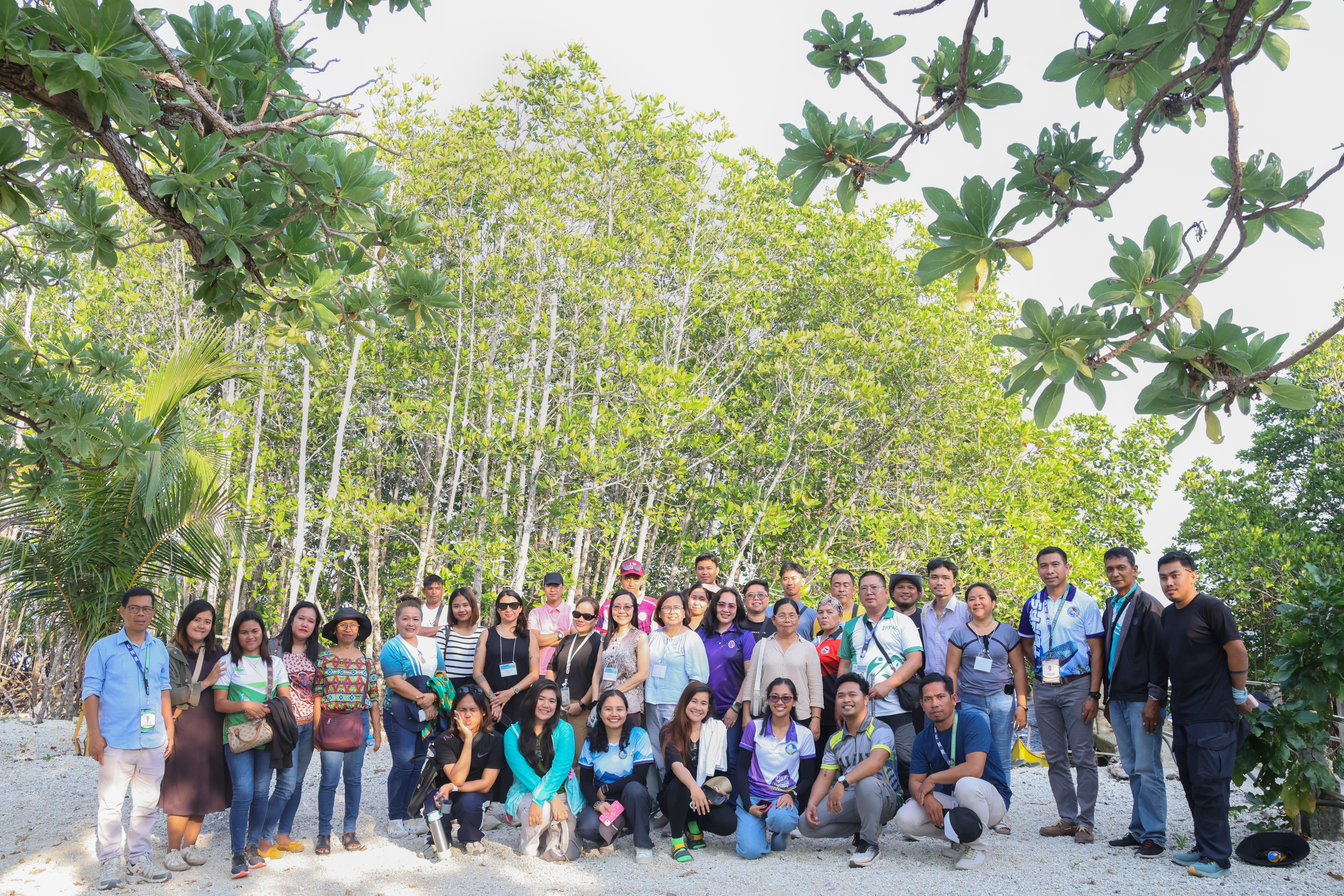
Participants in the site visit to the Bongsanglay Natural Park in Ticao Island, Masbate. It is renowned for being the only remaining primary-growth mangrove forest in the Bicol region and home of the region's largest and oldest mangrove tree (a massive Avicennia officinalis, locally known as Miyapi, estimated at 150 years old), and rare threatened mangrove varieties.
Recent Articles
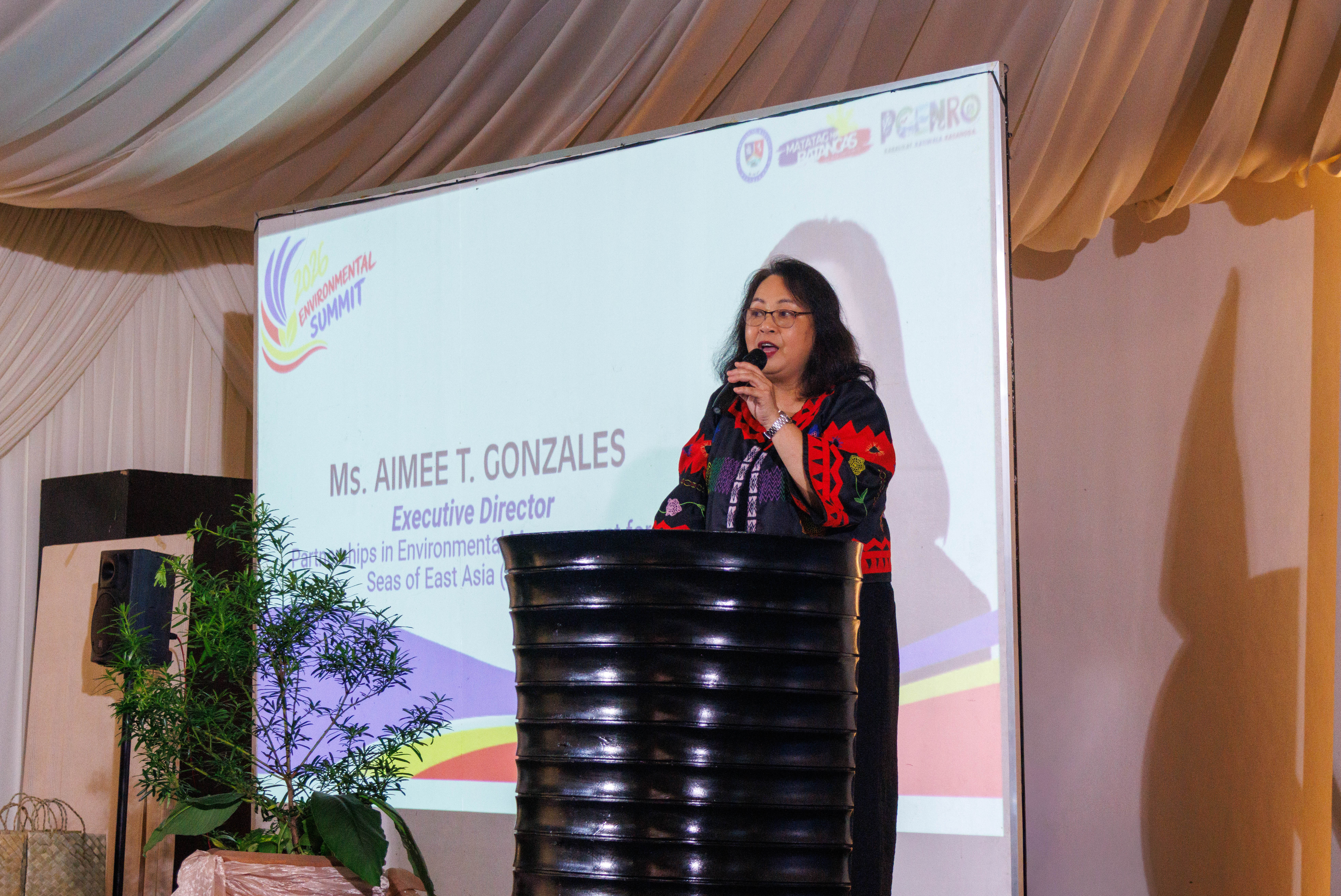
PEMSEA Recognized for Three Decades of Partnership with Batangas Province
Wednesday, 7 October 2026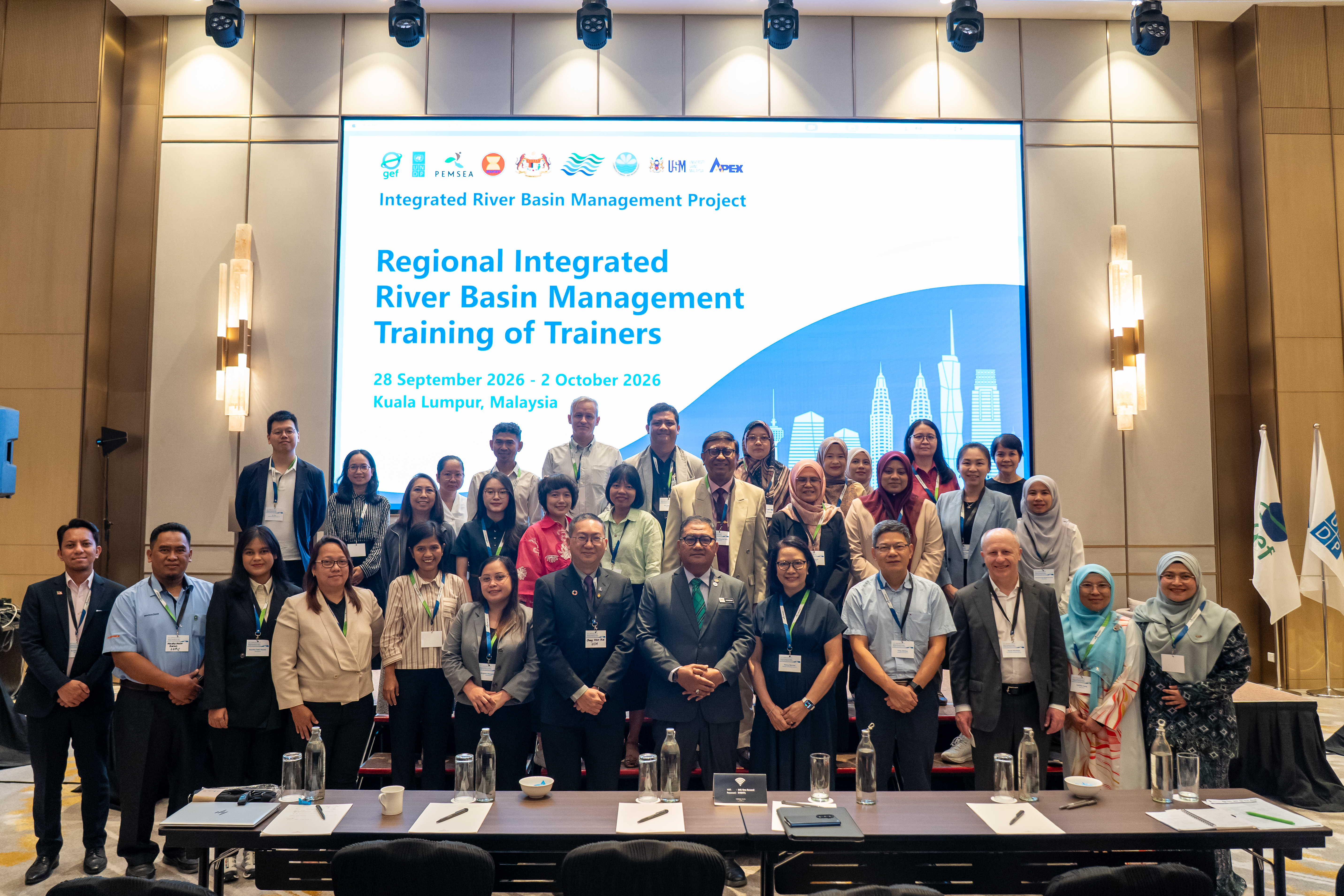
The GEF/UNDP/ASEAN IRBM Project Conducts the Regional Integrated River Basin Management Training of Trainers
Monday, 28 September 2026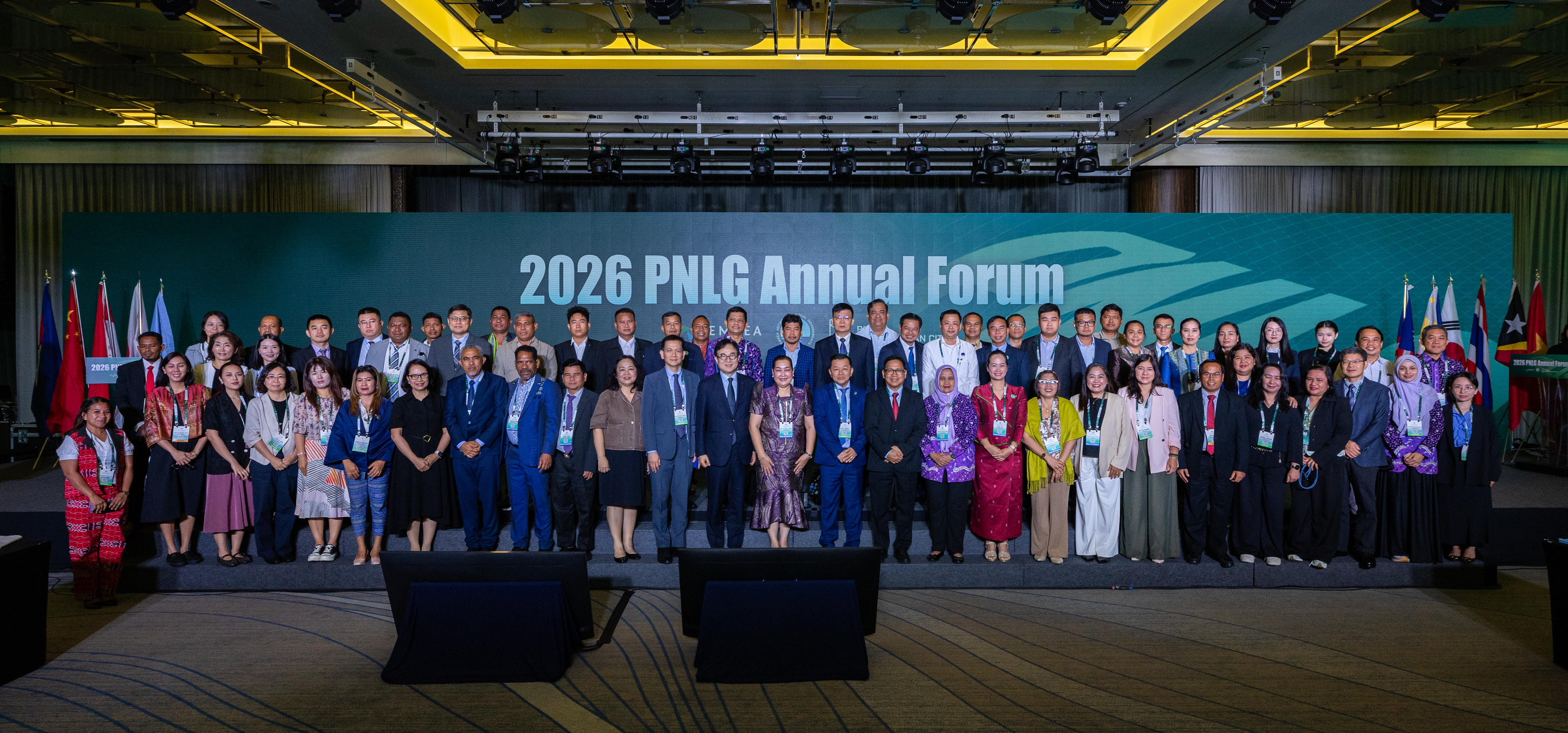
"Let This Forum Not Be Remembered for the Words We Spoke, but for the Actions We Inspire": PNLG President's Closing Message Calls for Action Beyond Busan, Republic of Korea
Monday, 21 September 2026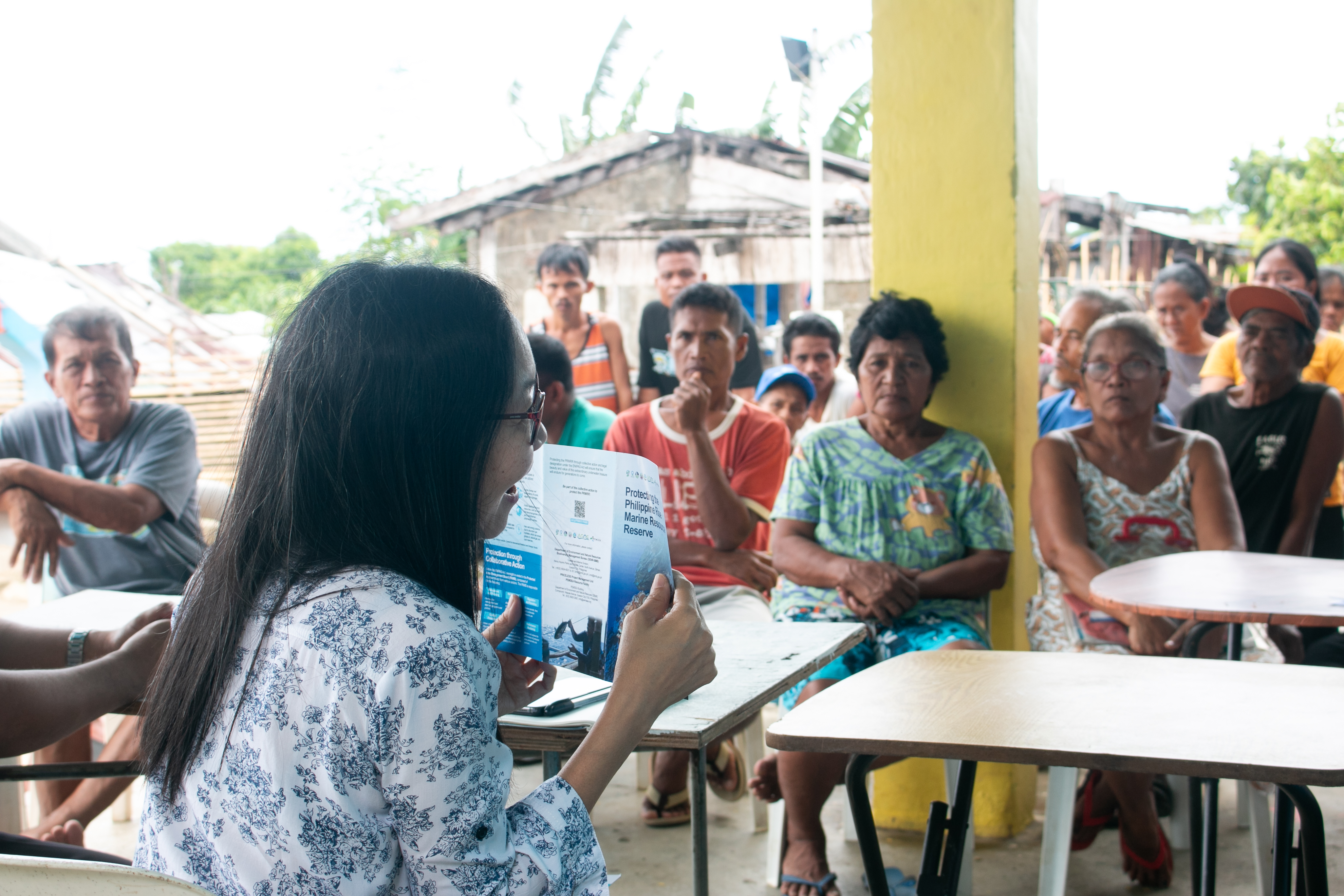
From north to south, local stakeholders convene to protect the Philippine Rise under the PRICELESS Project
Monday, 21 September 2026
PNLG General Assembly Adopts Busan Declaration, Welcomes Atauro Island as New Member
Wednesday, 9 September 2026