

From Project to Program: Establishing a Sustainable Regional Governance Mechanism for the Arafura and Timor Seas
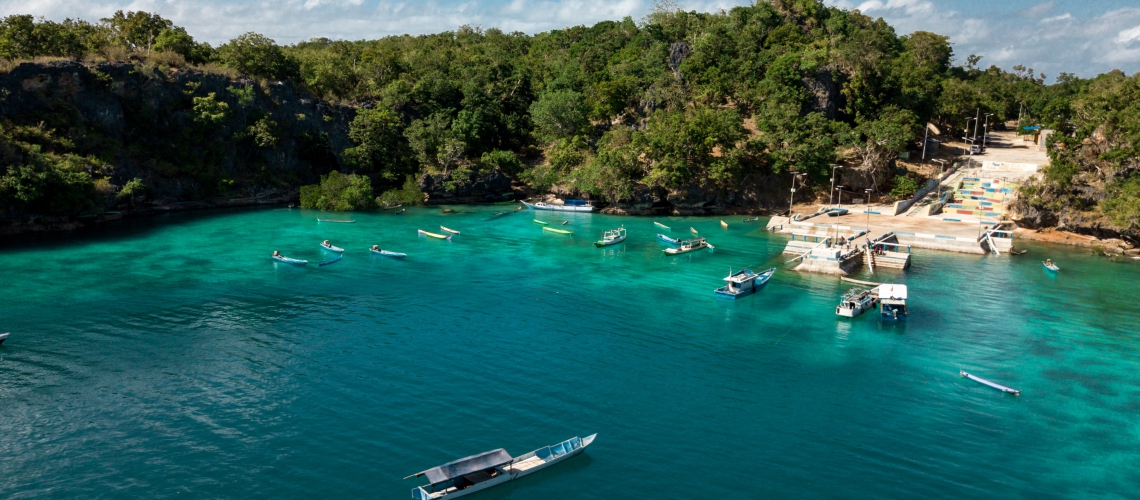
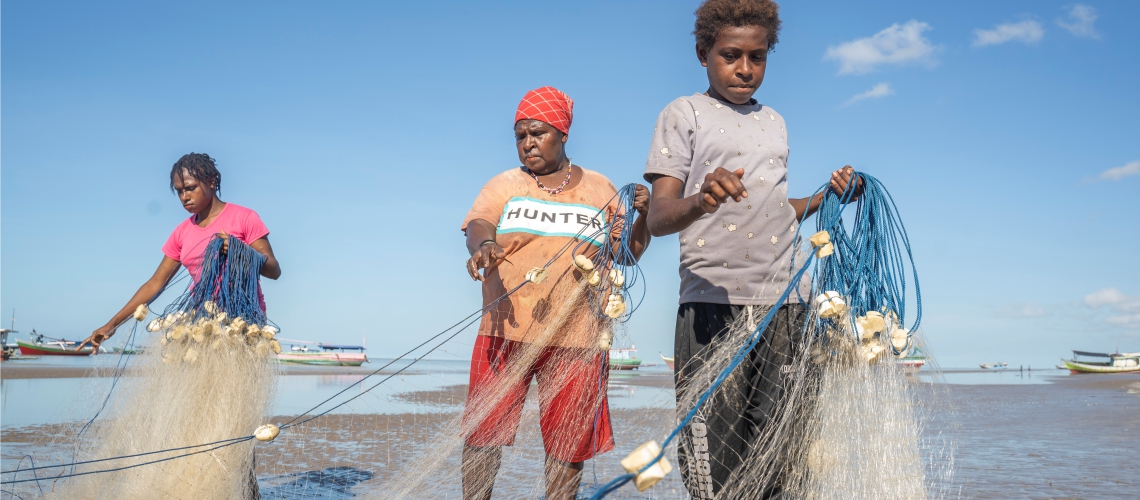
The Arafura and Timor Seas (ATS) region, shared by Australia, Indonesia, Papua New Guinea, and Timor-Leste, is one of the world’s most productive and ecologically significant marine ecosystems. It supports globally important fisheries, extensive coral reefs, mangroves and seagrass habitats, and the livelihoods of millions of coastal communities.
Over the past decade, regional cooperation has been strengthened through two consecutive four-year project cycles supported by the Global Environment Facility (GEF) and the United Nations Development Programme (UNDP). These initiatives advanced fisheries management, marine biodiversity conservation, pollution reduction, and institutional capacity building, while laying the scientific and policy foundation for coordinated regional action.
However, the complex and transboundary challenges facing the ATS, including overfishing, illegal, unreported and unregulated (IUU) fishing, habitat degradation, marine pollution, and climate change, require a long-term and institutionalized response beyond time-bound projects.
Recognizing this, ATS countries agreed to transition from a project-based model to a sustained regional program through the signing of the Sydney Declaration in December 2024. This formalized their collective commitment to implement the Strategic Action Programme (SAP) 2024–2033 as the long-term framework for regional cooperation. The SAP focuses on four priority areas:
- Reducing marine plastic pollution and Abandoned, Lost and Discarded Fishing Gear (ALDFG)
- Strengthening oil spill preparedness and response
- Addressing transboundary IUU fishing
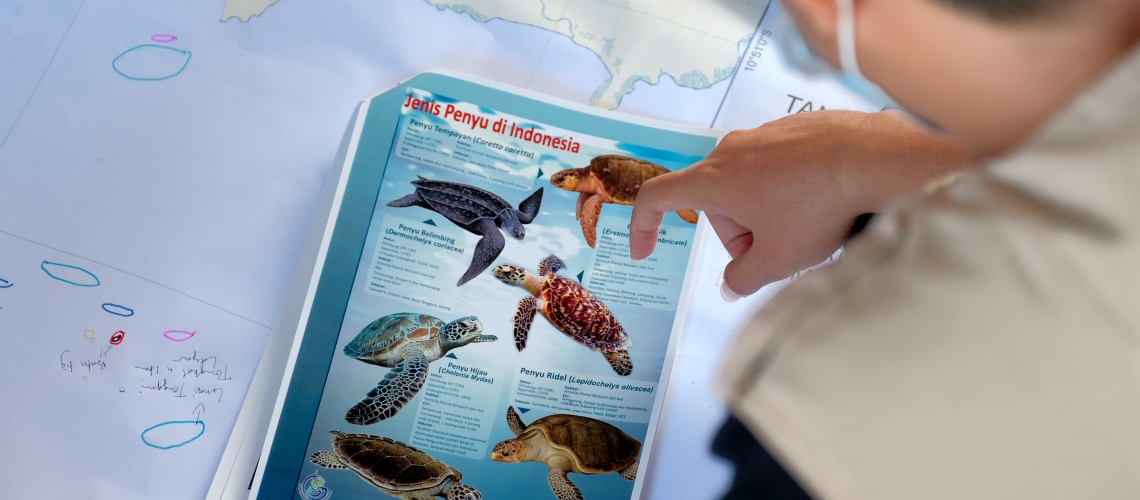
- Enhancing resilience of endangered, threatened and protected (ETP) species and critical habitats
In addition to these four thematic components, the SAP integrates cross-cutting priorities on climate change and Gender Equity and Social Inclusion (GESI). It also outlines key governance objectives and priority actions to guide effective implementation and support the sustainable management of the ATS.
As the first strategic development partner supporting this transition, PEMSEA is proud to work alongside the ATS Regional Secretariat and participating countries to operationalize the SAP and help establish a durable governance framework that supports long-term ecological sustainability and blue economy development.
The ATS Program represents an important transition from temporary interventions toward a permanent, country-owned regional mechanism designed to safeguard marine ecosystems, strengthen coastal livelihoods, and promote sustainable ocean governance across the region.
For more information on the ATSEA Program and its ongoing work, please visit the ATSEA website: www.atsea-program.com