
35th Executive Committee Meeting Moves Strategic Priorities Forward
Tuesday, 31 March 2026
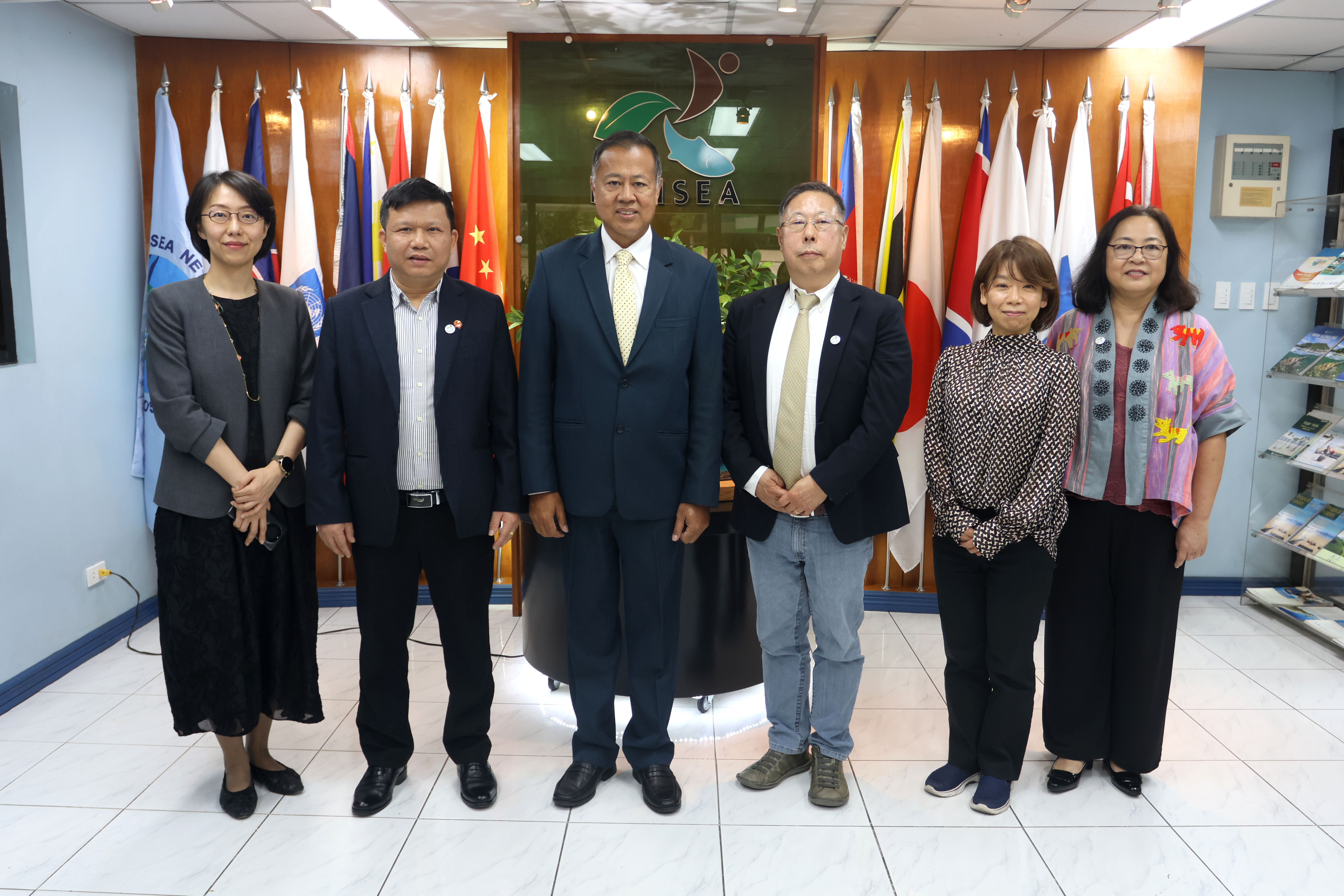
As PEMSEA prepares for the 18th East Asian Seas (EAS) Partnership Council Meeting in Singapore, the 35th Executive Committee (EC) Meeting convened on 31 March 2026 to discuss on a range of strategic, operational and programmatic matters that will help shape the Partnership’s direction in the months ahead.
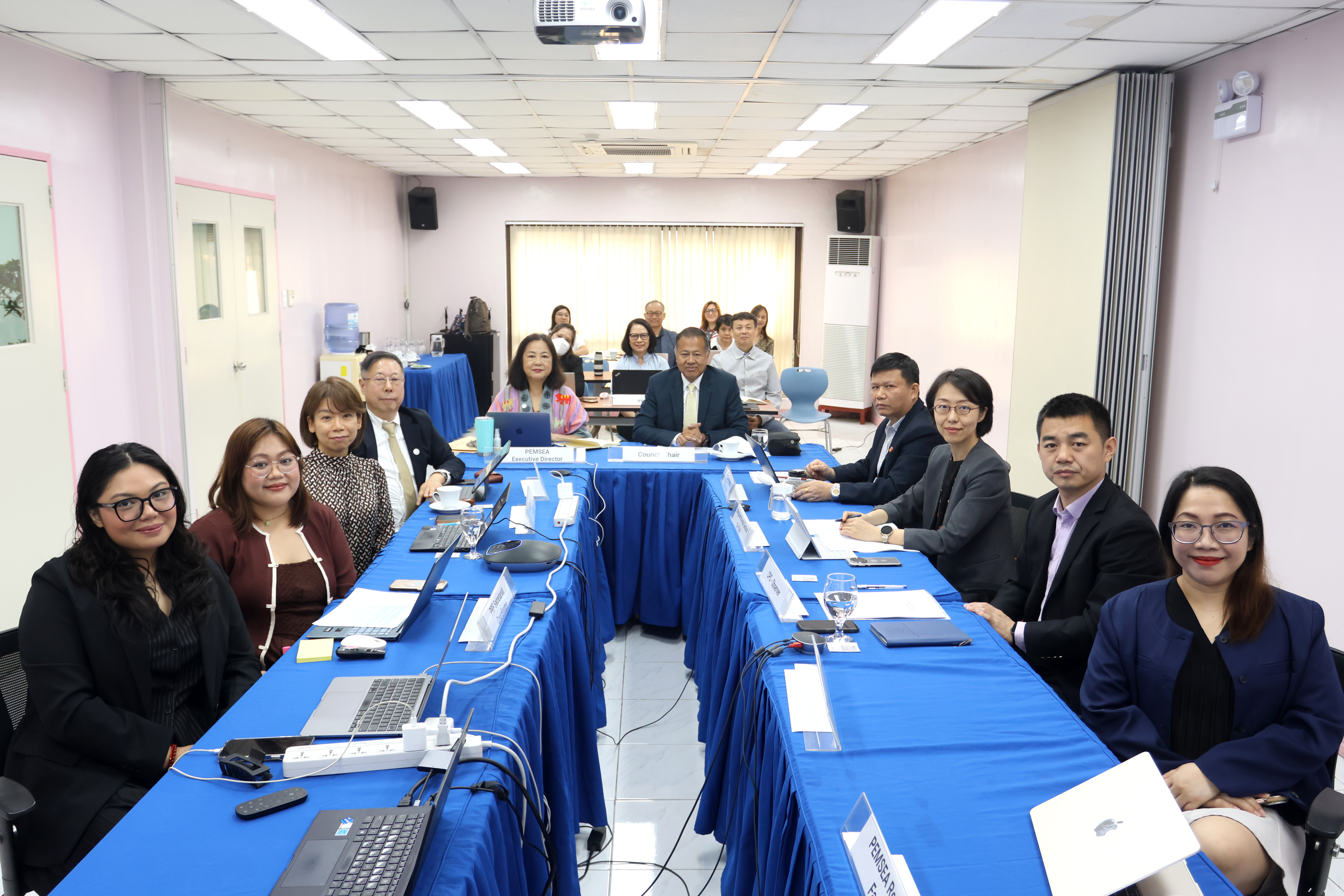
Held at the PEMSEA Resource Facility (PRF) in Quezon City, Philippines, the Meeting gathered members of the Executive Committee led by its Chair, Undersecretary Jonas Leones of the Philippines to review key organizational developments, including the recruitment of a new PRF Executive Director, the revised agenda for the upcoming 18th EAS Partnership Council Meeting, the 2025 audited financial statements, the 2025 Accomplishment Report, and the proposed 2026–2027 PRF Workplan and Budget.
The Meeting tackled substantive regional priorities such as the potential re-engagement with Malaysia, Thailand and Brunei as formal country partners, youth engagement, marine protected areas, blue carbon and PEMSEA’s ongoing organizational capacity development and resource mobilization efforts.
Maintaining Momentum Toward the 18th EAS Partnership Council Meeting
In his opening remarks, EAS Partnership Council Chair Usec. Jonas Leones welcomed participants and underscored the significance of the Meeting in light of PEMSEA’s growing regional momentum. He noted that the decisions and guidance arising from the EC Meeting would directly shape preparations for the 18th EAS Partnership Council Meeting and reinforce PEMSEA’s long-term relevance, leadership and regional coherence.
The Chair emphasized that the Meeting’s agenda reflects both governance and programmatic priorities, ranging from leadership transition and financial oversight to regional partnership-building, youth engagement and science-based action.
“We convene at a time of genuine momentum for PEMSEA. The work before us this morning reflects the accumulated effort of our Secretariat and partners over the past year, and the decisions we reach today will directly shape how we enter the 18th EAS Partnership Council,” Usec. Leones said.
He encouraged members to sustain the collaborative spirit that has guided the Partnership and to provide clear and actionable direction to the Secretariat.
Preparations for Leadership Transition
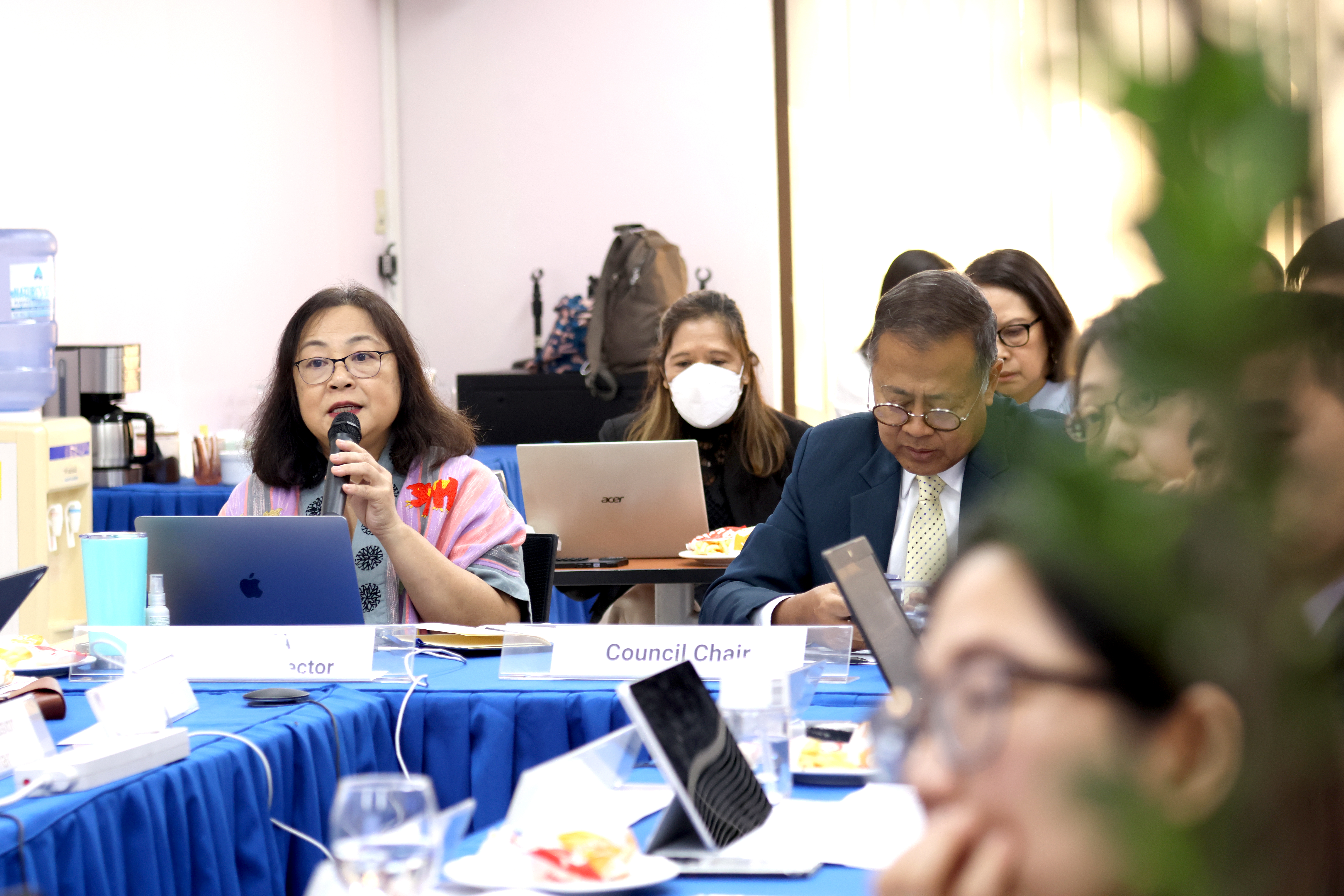
The Executive Committee received updates on the ongoing recruitment process for the next PRF Executive Director. The Secretariat reported that the application process had been widely circulated through multiple platforms and that the shortlist of candidates would be reviewed by the Selection Committee ahead of virtual interviews scheduled for May to June 2026.
In the discussion that followed, members raised practical considerations regarding the interview process and the need to provide relevant materials in advance. The Executive Committee noted the proposed schedule and approved the timeline for the selection process. The Council Chair also recommended the inclusion of the Co-Chairs as observers during the interview process.
The Meeting also considered the agenda and logistical arrangements for the 18th EAS Partnership Council Meeting, which will be hosted by Singapore. Members expressed appreciation for Singapore’s preparations and discussed the proposed two-day format of the Meeting proper, alongside efforts to encourage stronger in-person participation, particularly among Non-Country Partners and associated networks
2025 Accomplishments
The Meeting also reviewed the 2025 Accomplishment Report, which outlined PRF’s progress in implementing approved workplan objectives and advancing PEMSEA’s regional commitments. Members commended the Secretariat for sustaining implementation amid a challenging global operating environment and noted the continued importance of maintaining PEMSEA’s distinct role within the broader regional and international ocean governance landscape.
Re-engaging Regional Partners
A key highlight of the discussion centered on strategic considerations for re-engaging Malaysia, Thailand and Brunei as formal PEMSEA partners. The Executive Committee discussed possible entry points and approaches for outreach, including informal diplomatic channels, country-specific engagement and stronger coordination with agencies whose mandates align closely with PEMSEA’s work.
Members highlighted the importance of highlighting the benefits of engagement, recognizing existing collaboration through the PEMSEA Network of Local Governments and Learning Centers, and identifying the most appropriate ministries or focal agencies in the outreach in each country.
Suggestions were also raised to strengthen local-level engagement where possible, as local governments can demonstrate the practical value and visibility of collaboration more quickly.
Strengthening Youth, Marine Protected Areas and Blue Carbon Engagement
The Executive Committee also discussed PEMSEA’s Youth Engagement Readiness and Pilot Program, recognizing the importance of building a sustained pipeline of young coastal and ocean practitioners who can support long-term regional action. Members expressed support for the initiative and encouraged the Secretariat to ensure that the program is designed with continuity, practical engagement and long-term value in mind.
The Meeting further reviewed progress on the Marine Protected Areas in the East Asian Seas Report and broader regional collaboration on marine protected areas with regional organizations operating in the EAS region.
Members welcomed the initiative and emphasized the need to promote more integrated and ecosystem-based approaches, including at the level of managed seascapes and regional cooperation. The discussion also noted the opportunity for PEMSEA to contribute more actively to consolidating regional efforts, identifying policy gaps and supporting stronger alignment among relevant agencies and stakeholders across countries.
Updates on the PEMSEA Blue Carbon Program were likewise presented, including upcoming regional discussions and opportunities for technical and financial collaboration. Members welcomed the momentum of the initiative and recognized its potential to support both coastal ecosystem management and emerging climate finance pathways. The discussion highlighted the importance of aligning country-level efforts, strengthening technical foundations and exploring project financing opportunities that can support implementation at scale.
Strengthening Organizational Capacity and Resource Mobilization
The Executive Committee received updates on PEMSEA’s Organizational Capacity Assessment (OCA) scaling-up and the development of its Business Development and Resource Mobilization efforts. These ongoing initiatives build on the findings of the SDS-SEA strategic programming review and OCA, and are intended to strengthen PEMSEA’s institutional sustainability, effectiveness and long-term partnership value.
The Secretariat reported that pilot testing of the OCA scaling-up process has been initiated, with the Philippines already undertaking an inception workshop to contextualize findings and identify country-specific capacity needs. At the same time, PEMSEA has engaged a Business Development and Resource Mobilization Specialist to support the preparation of a comprehensive Business Plan and draft Resource Mobilization Strategy.
Members emphasized the importance of identifying and advancing pipeline projects, diversifying funding sources and strengthening the practical application of institutional capacity-building efforts. These initiatives are expected to reinforce PEMSEA’s ability to deliver on the SDS-SEA Implementation Plan and sustain its role as a regional partnership mechanism for integrated coastal and ocean governance.
Future Directions for the Partnership
The Executive Committee also discussed initial positive developments regarding the possible hosting of the next EAS Congress, as well as the need to encourage nominations for Council Co-Chair positions as part of leadership continuity and succession planning.
The Meeting also discussed the proposed observance of a PEMSEA Day, with members expressing support for recognizing PEMSEA’s founding anniversary on 15 December as an opportunity to further raise the Partnership’s visibility and strengthen regional identity.
In his closing remarks, EAS Partnership Council Chair Usec. Jonas Leones thanked the Executive Committee for what he described as a thoughtful and forward-looking discussion across a broad range of agenda items, from the PRF Executive Director recruitment process and workplan to youth engagement, marine protected areas and the strategic question of expanding PEMSEA’s formal membership.
“This Committee has demonstrated exactly the kind of thoughtful and forward-looking governance that PEMSEA needs,” he said, noting that the guidance provided during the Meeting would be valuable in helping the Secretariat carry these matters forward to the 18th EAS Partnership Council Meeting.
The Chair also highlighted encouraging developments in PEMSEA’s financial position, noting that the Partnership had secured USD 3.5 million in 2025 and is projecting USD 6.7 million for 2026, placing it in a stronger position to deliver on the SDS-SEA Implementation Plan to 2030.
The 35th Executive Committee Meeting was attended by EAS Partnership Council Chair Usec. Jonas Leones; Intergovernmental Session Chair Mr. Le Dai Thang; Intergovernmental Session Co-Chair Dr. Yu Xinwei; Technical Session Chair Dr. Suk-Jae Kwon; Technical Session Co-Chair Dr. Kazumi Wakita; as observer and PEMSEA Resource Facility Executive Director Ms. Aimee T. Gonzales, together with regional project managers and members of the PRF Secretariat.
Recent Articles
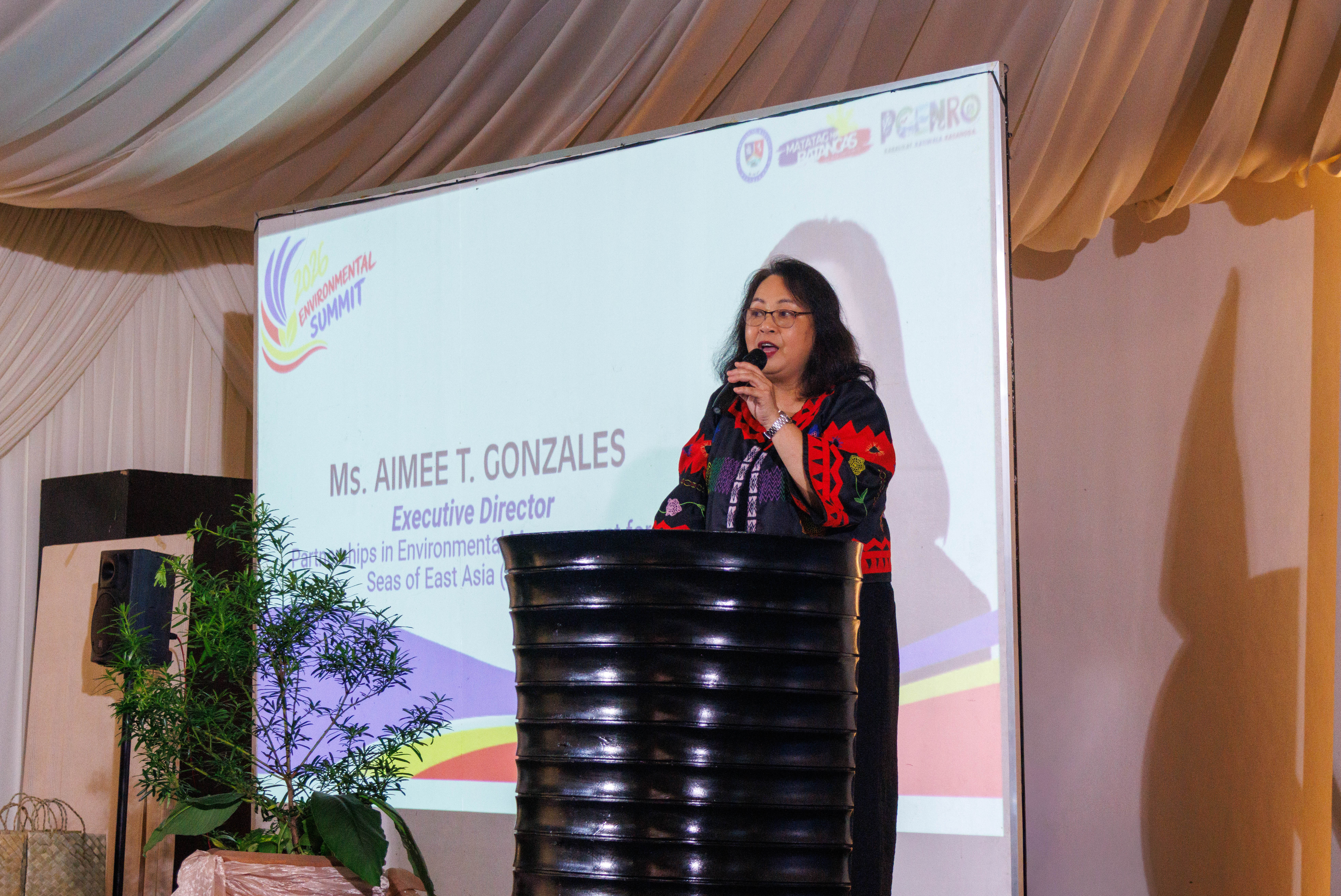
PEMSEA Recognized for Three Decades of Partnership with Batangas Province
Wednesday, 7 October 2026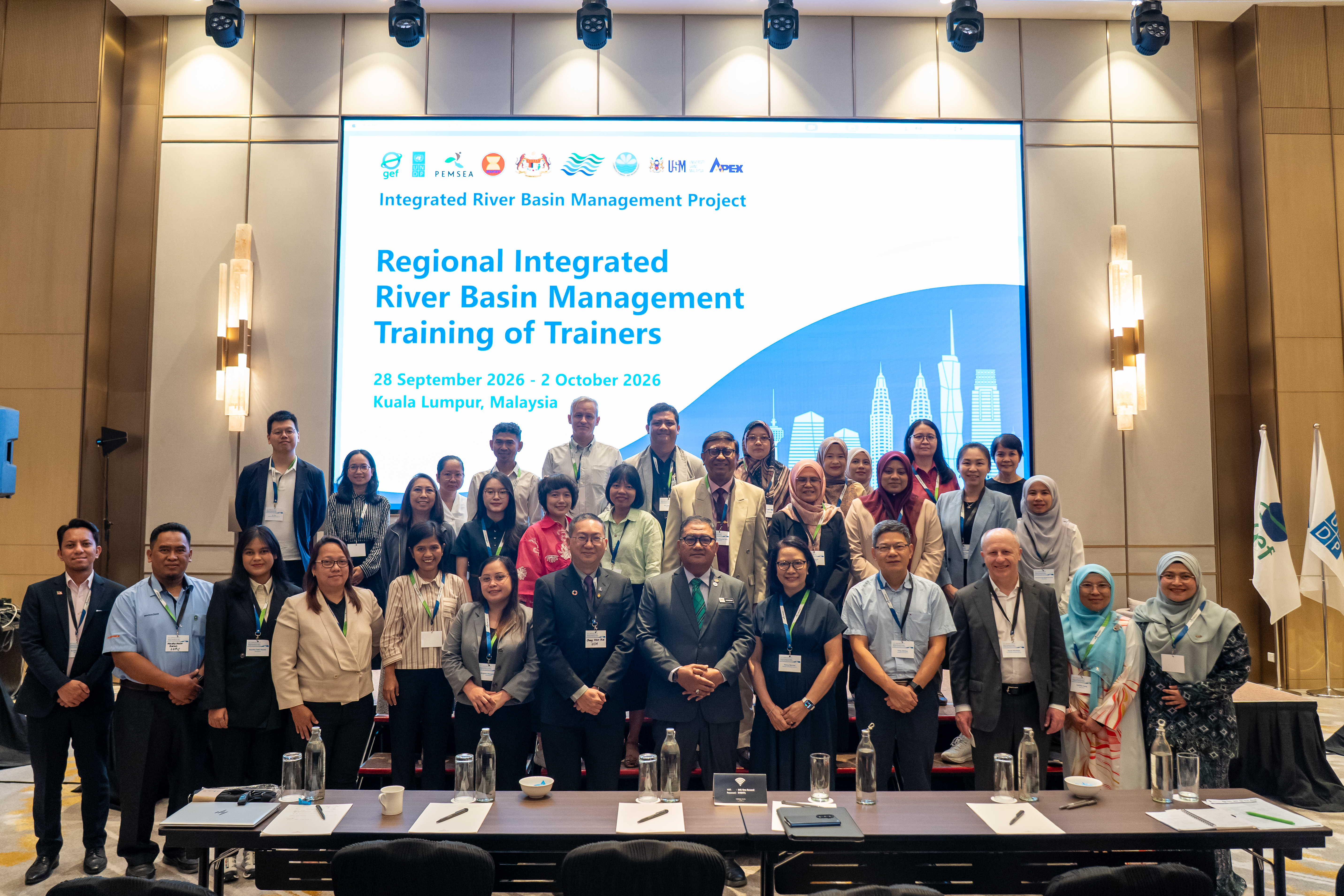
The GEF/UNDP/ASEAN IRBM Project Conducts the Regional Integrated River Basin Management Training of Trainers
Monday, 28 September 2026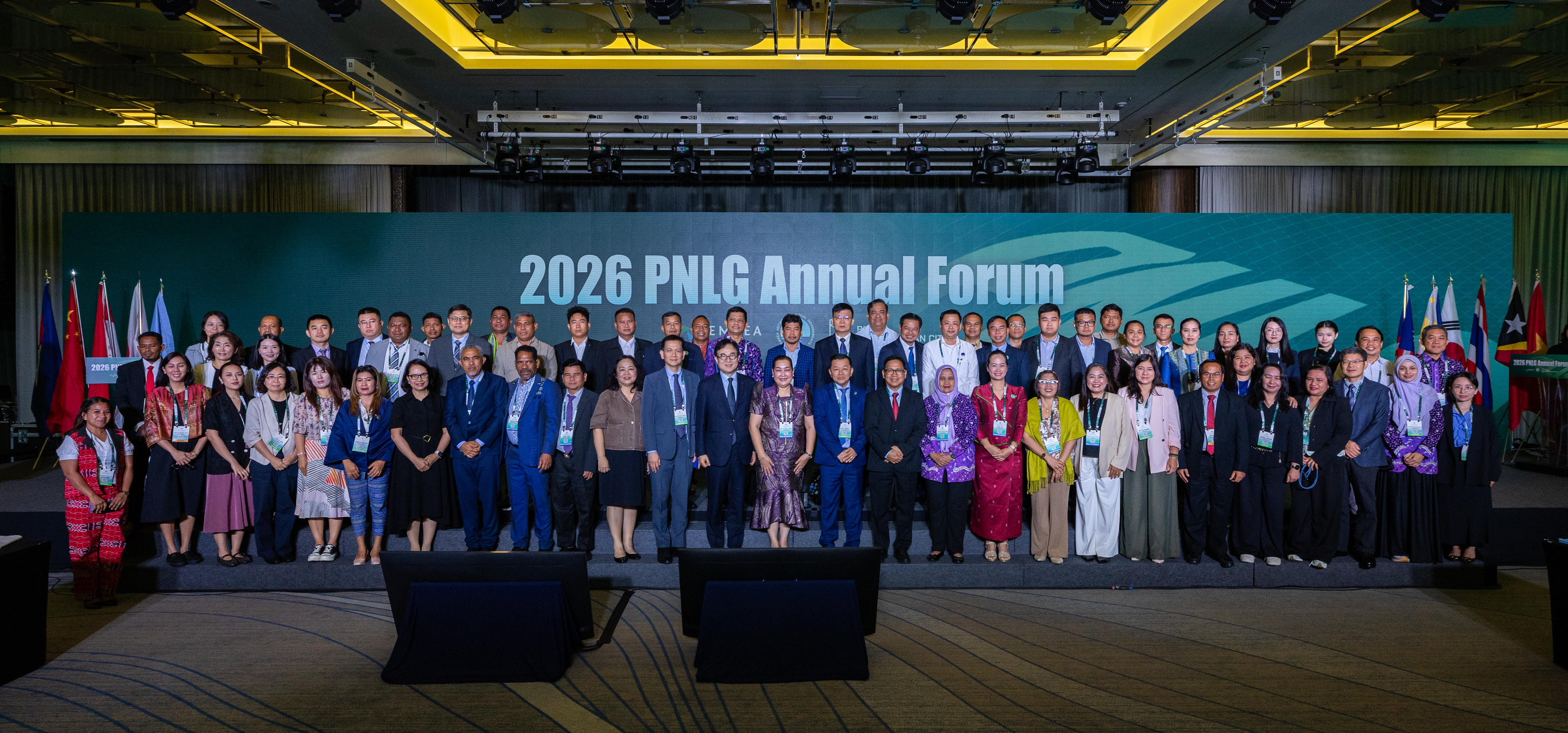
"Let This Forum Not Be Remembered for the Words We Spoke, but for the Actions We Inspire": PNLG President's Closing Message Calls for Action Beyond Busan, Republic of Korea
Monday, 21 September 2026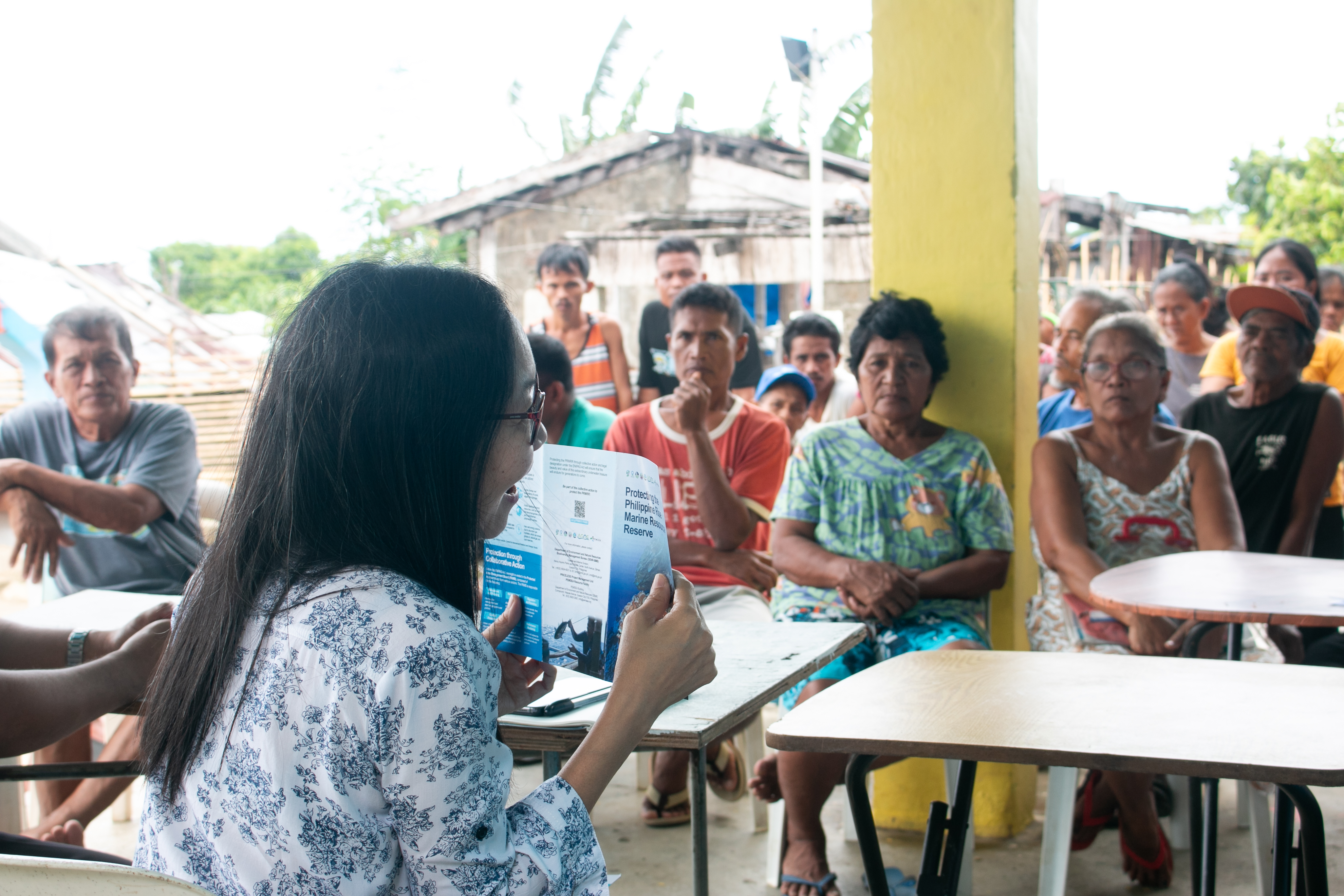
From north to south, local stakeholders convene to protect the Philippine Rise under the PRICELESS Project
Monday, 21 September 2026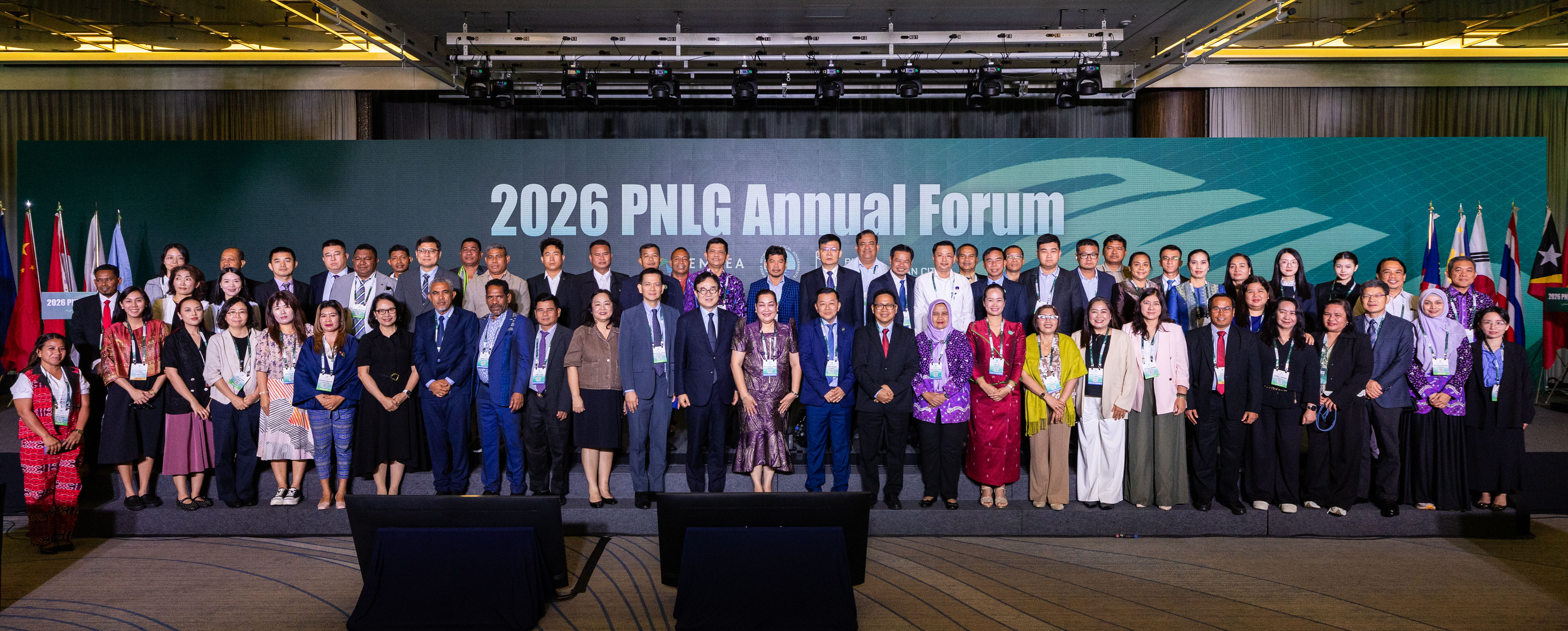
PNLG General Assembly Adopts Busan Declaration, Welcomes Atauro Island as New Member
Wednesday, 9 September 2026