
The GEF/UNDP/ASEAN IRBM Project Conducts the Regional Integrated River Basin Management Training of Trainers
Friday, 30 October 2026
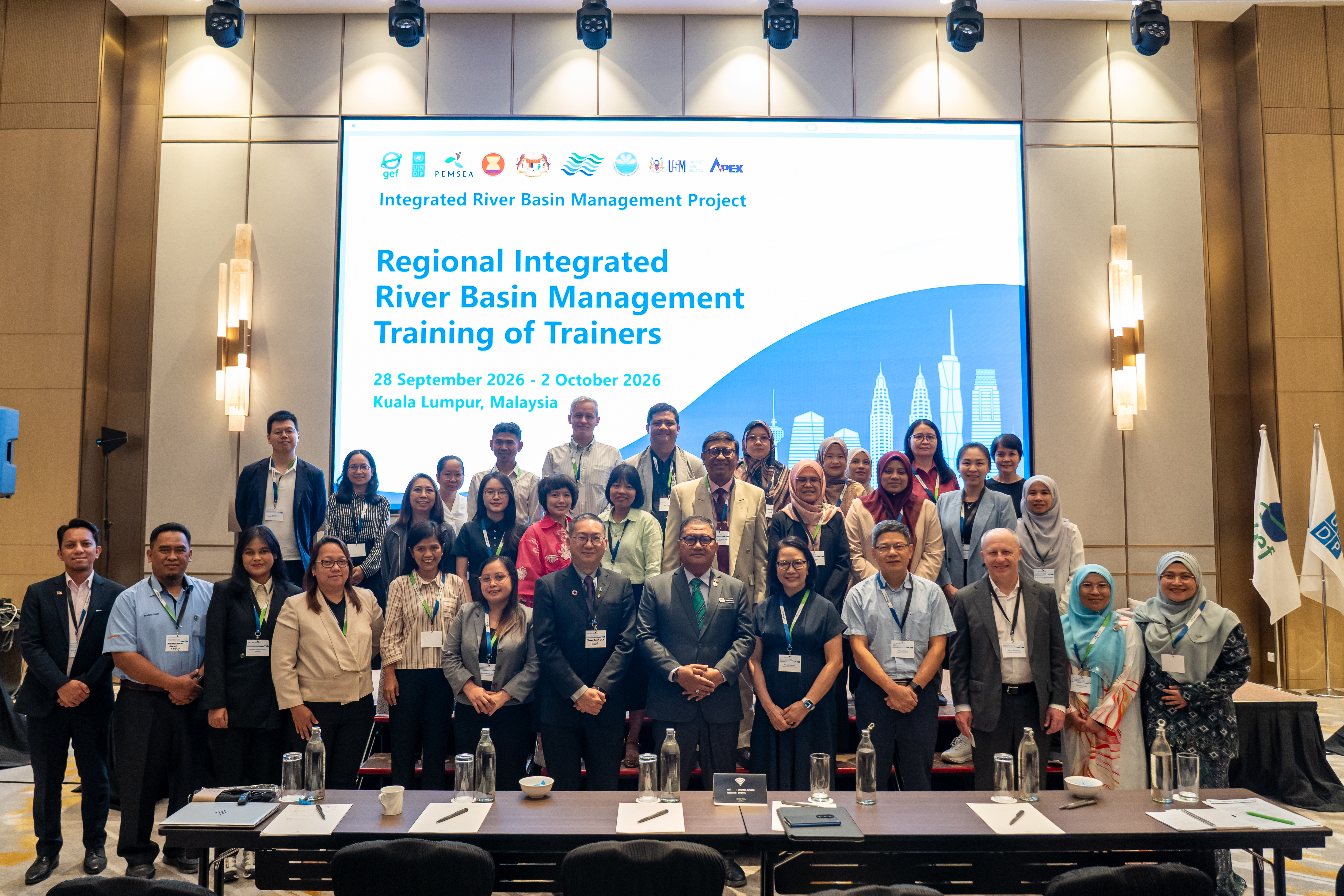
Representatives from national and local government agencies of the six participating ASEAN Member States, members of the PEMSEA Network of Learning Centers, and other university partners from across the region attended the Regional IRBM TOT in Kuala Lumpur, Malaysia.
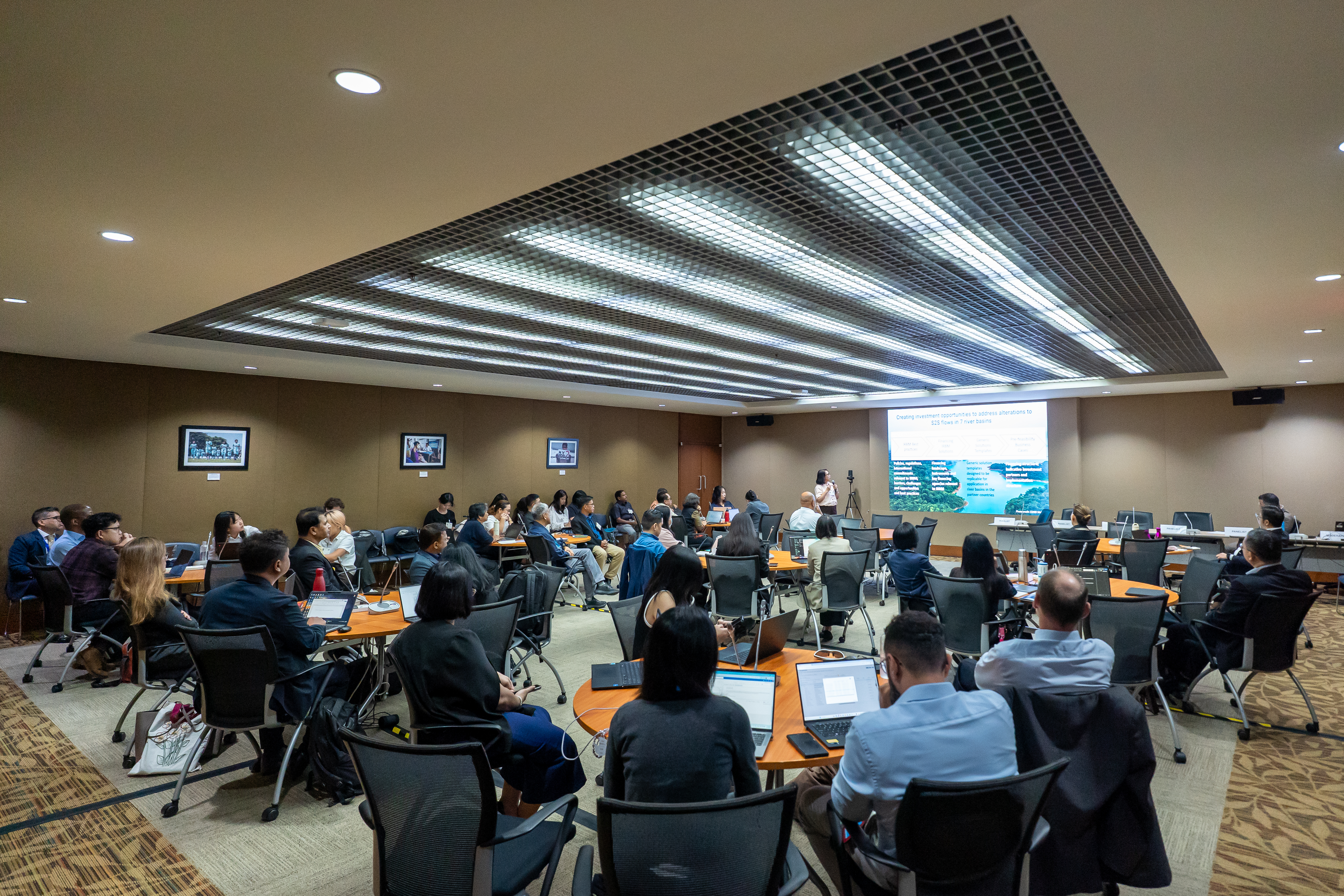
Kuala Lumpur, Malaysia — The IRBM Project in collaboration with the Department of Irrigation and Drainage, Ministry of Energy Transition and Water Transformation of Malaysia, Kedah State Water Resources Board and Universiti Sains Malaysia conducted the Regional Integrated River Basin Management Training of Trainers (TOT) from 28 September to 2 October 2026. Conducted in a hybrid format, the five-day training brought together representatives from national and local government agencies of the six participating ASEAN Member States (Cambodia, Indonesia, Lao PDR, Malaysia, the Philippines, and Viet Nam), members of the PEMSEA Network of Learning Centers and PEMSEA Network of Local Governments, and university partners from across the region.
In his welcome remarks, Dr. Chang Chun Kiat, Director of the River Engineering and Urban Drainage Research Centre, Universiti Sains Malaysia, highlighted the importance of regional learning and exchange in developing approaches that can be adapted to different river basin contexts.
“I believe the real value of this training will come not only from the presentations and technical sessions, but also from the exchange of experiences among ASEAN Member States. Each country has its own institutional arrangements, river basin characteristics, challenges and good practices. By sharing these experiences, we can learn from one another and develop approaches that are practical, relevant and adaptable to different river basin contexts,” said Dr. Chang Chun Kiat.
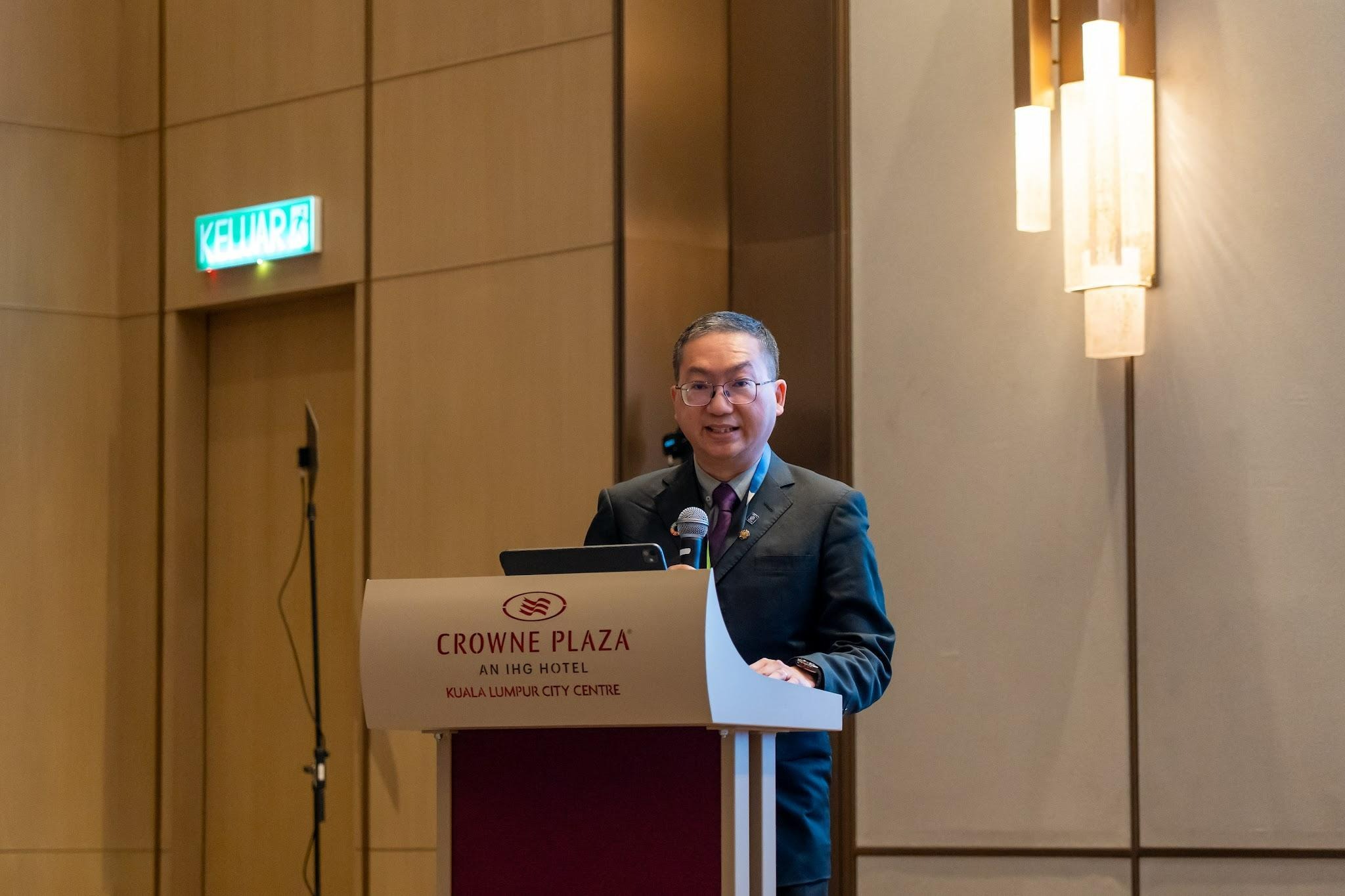
Dr. Chang Chun Kiat, Director of the River Engineering and Urban Drainage Research Centre, Universiti Sains Malaysia, delivered the welcome remarks during the IRBM Regional TOT.
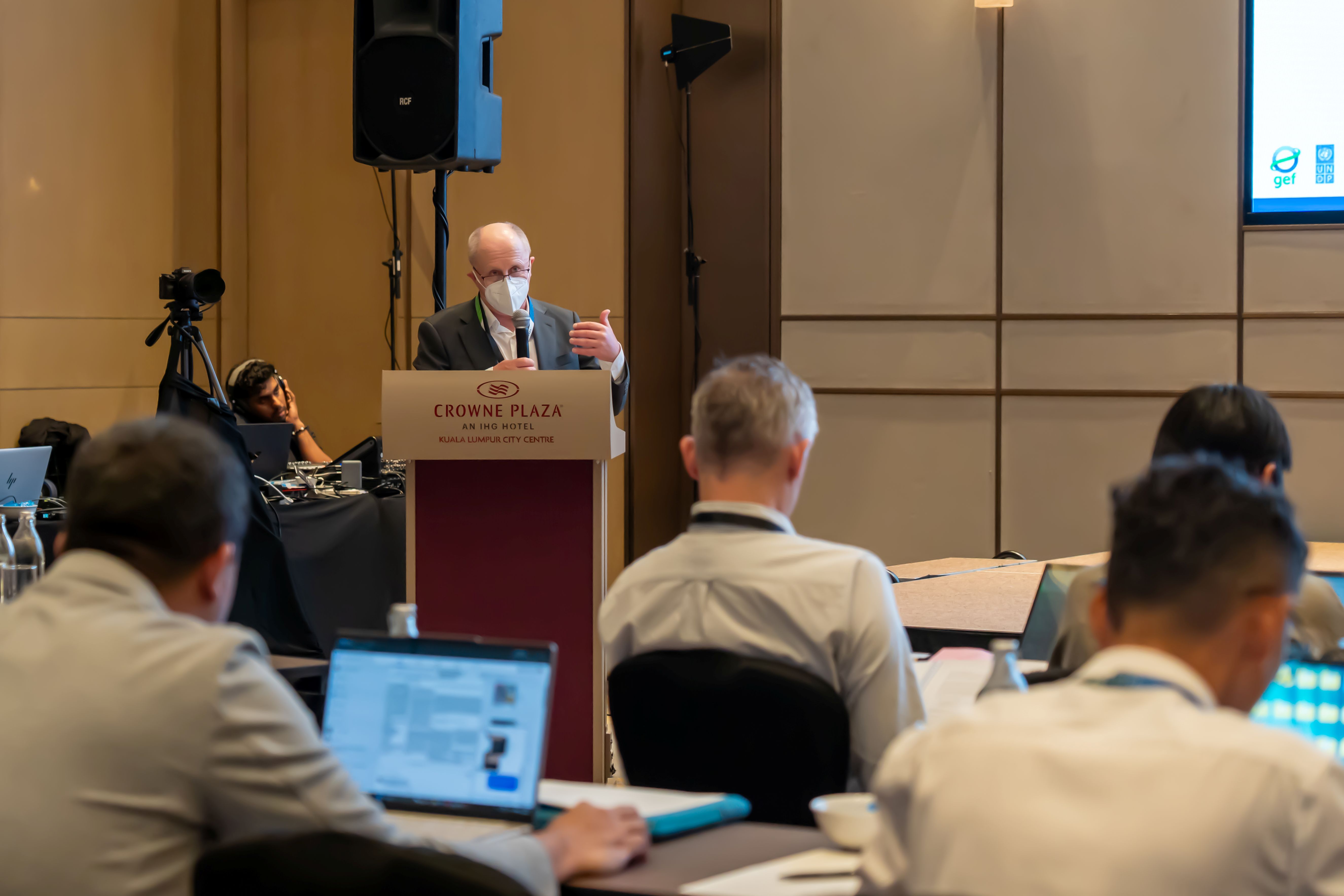
Mr. Hanizan Deraman, Deputy Director-General of the Business Sector, Department of Irrigation and Drainage, Ministry of Energy Transition and Water Transformation of Malaysia, underscored the role of trainers in carrying knowledge forward and fostering learning across their organizations and countries.
“A successful trainer is not merely someone who can present information. A successful trainer is someone who can engage people, encourage critical thinking, facilitate meaningful discussion and ultimately empower others to take action,” emphasized Mr. Hanizan Deraman.
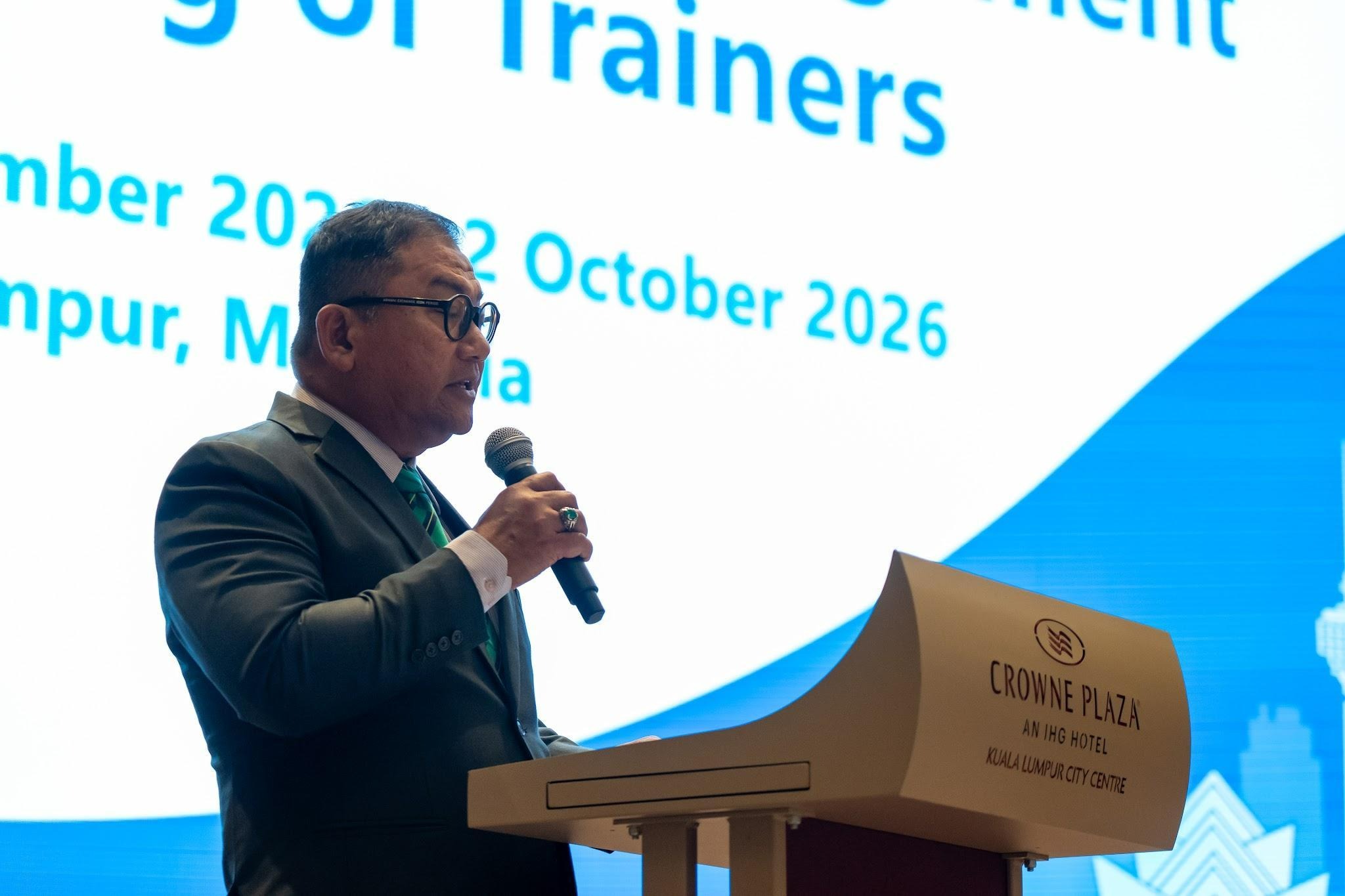
Mr. Hanizan Deraman, Deputy Director-General of Business Sector, Department of Irrigation and Drainage, Ministry of Energy Transition and Water Transformation of Malaysia delivered the opening message.
The Regional IRBM TOT pilot-tested and validated the draft IRBM Training Manual developed under the Project’s capacity development component. It also aimed to strengthen participants’ knowledge and practical skills in Integrated River Basin Management (IRBM), Integrated Water Resources Management (IWRM), and Integrated Coastal Management (ICM) within a Source-to-Sea (S2S) framework. Gender Equality, Disability and Social Inclusion (GEDSI) principles were also incorporated throughout the training to support inclusive approaches to river basin governance.
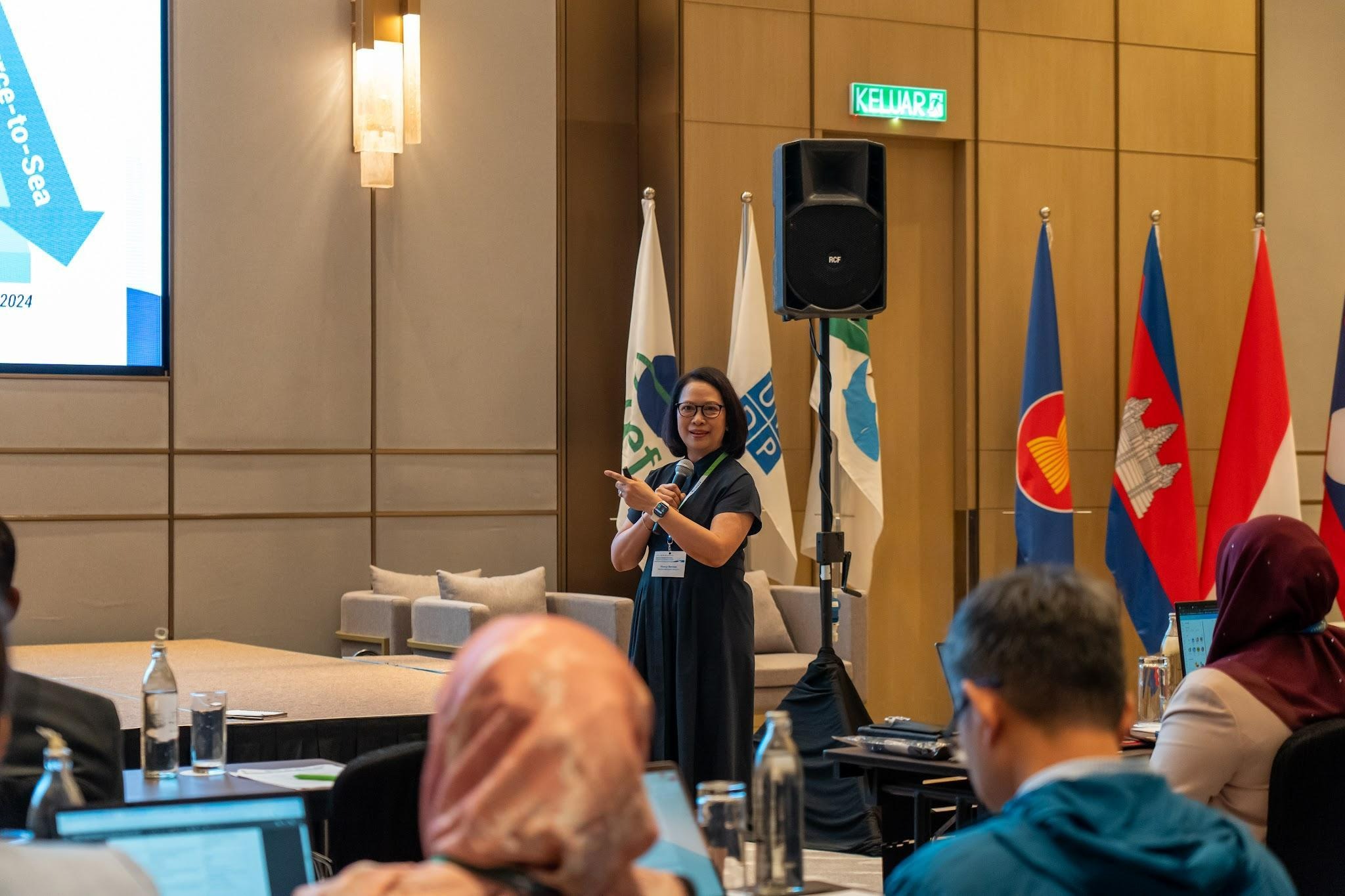
Ms. Nancy Bermas, Regional Project Manager of the IRBM Project, delivered the background, workshop objectives, and the expected outputs of the regional training.
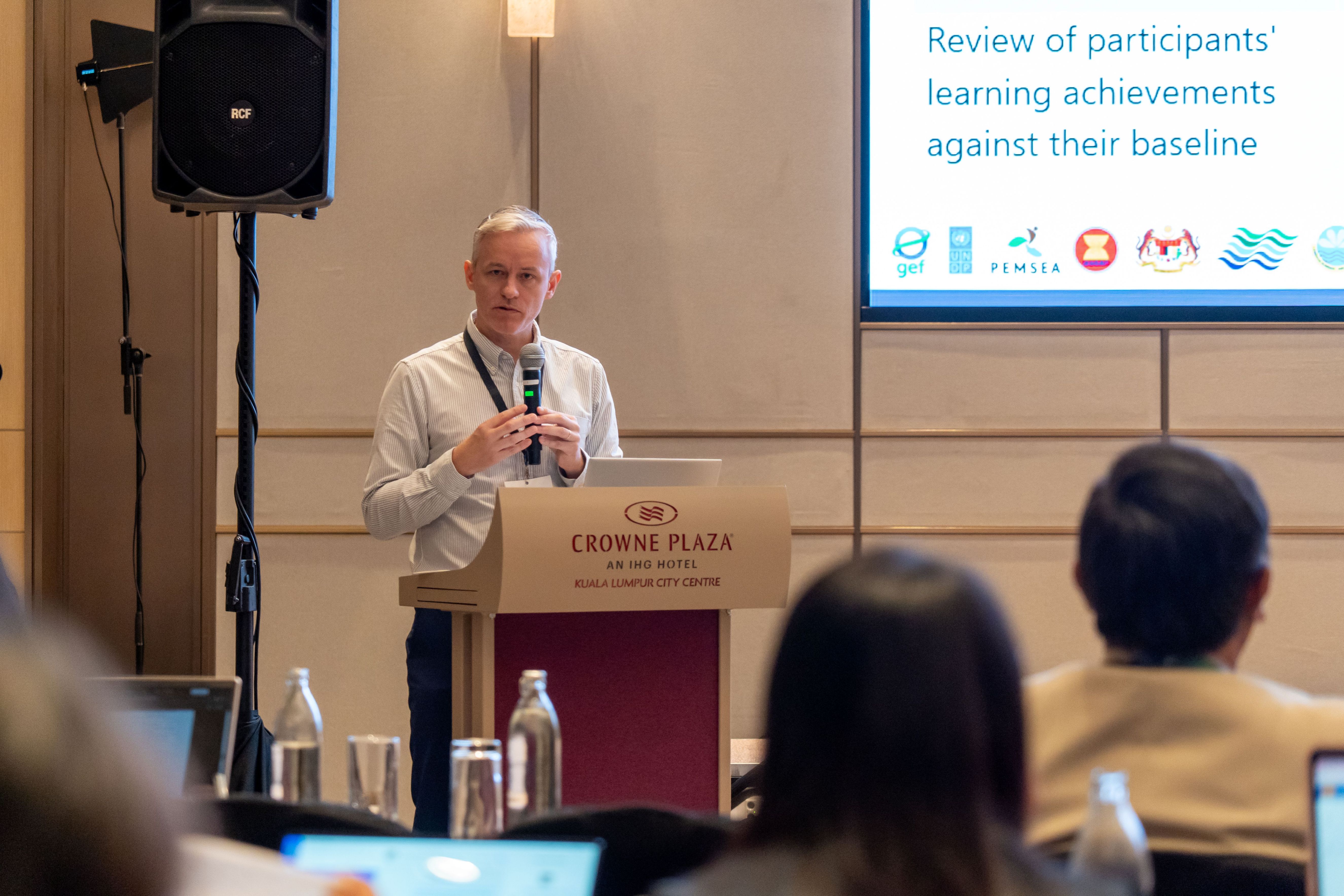 |  |  |
Technical experts Simon Tilleard, David Winfield, and Vanh Mixap from the Alluvium International facilitated the sessions.
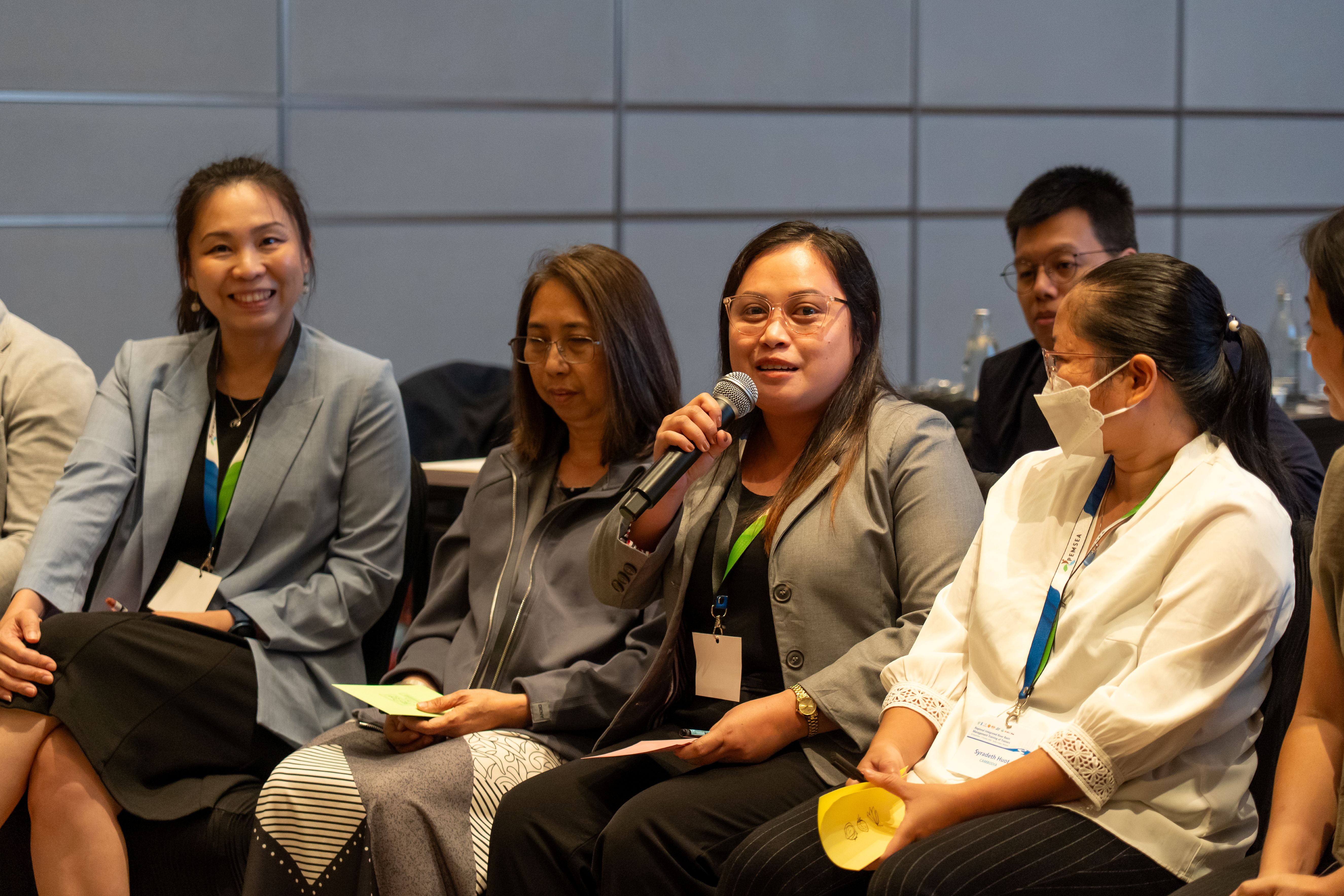
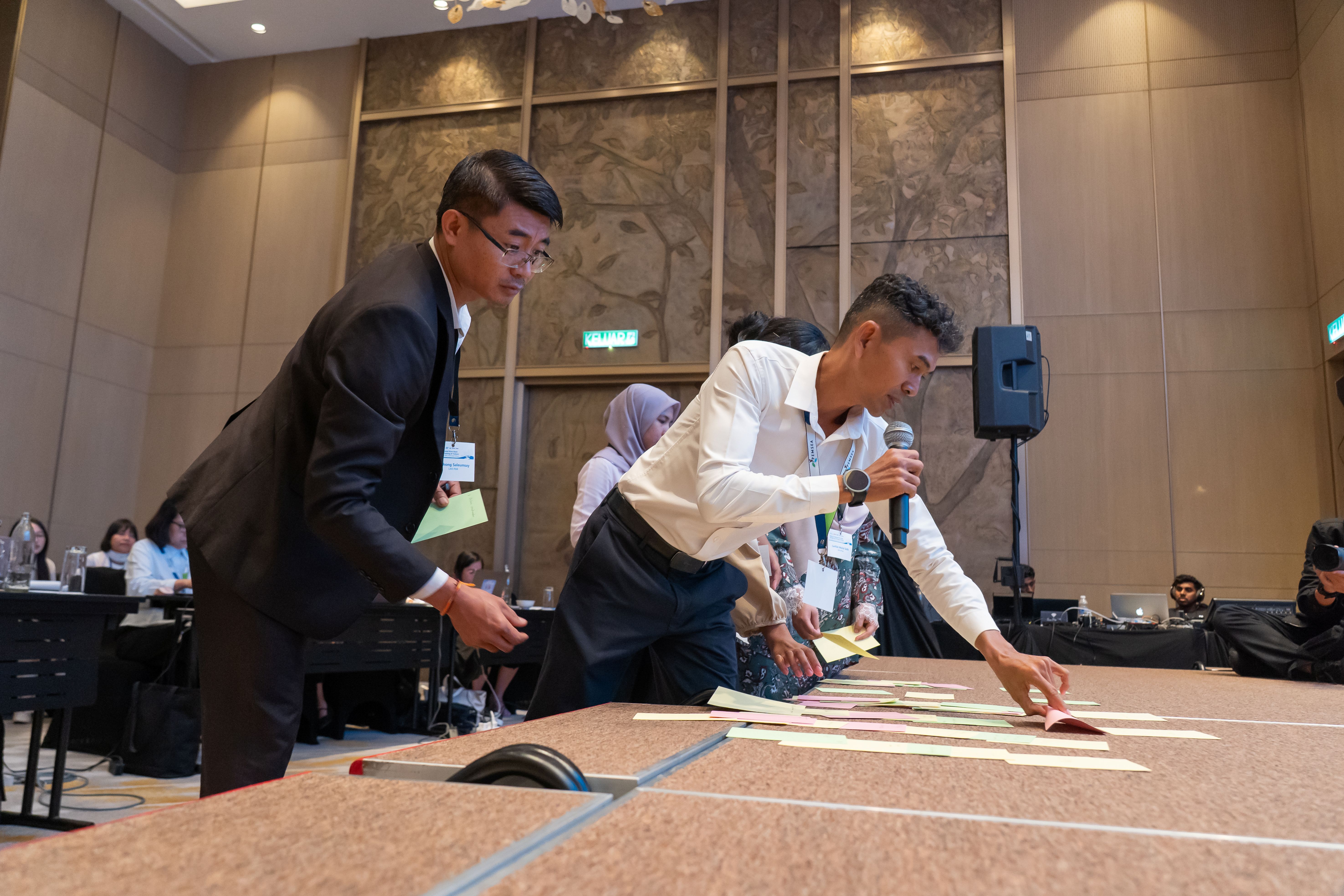
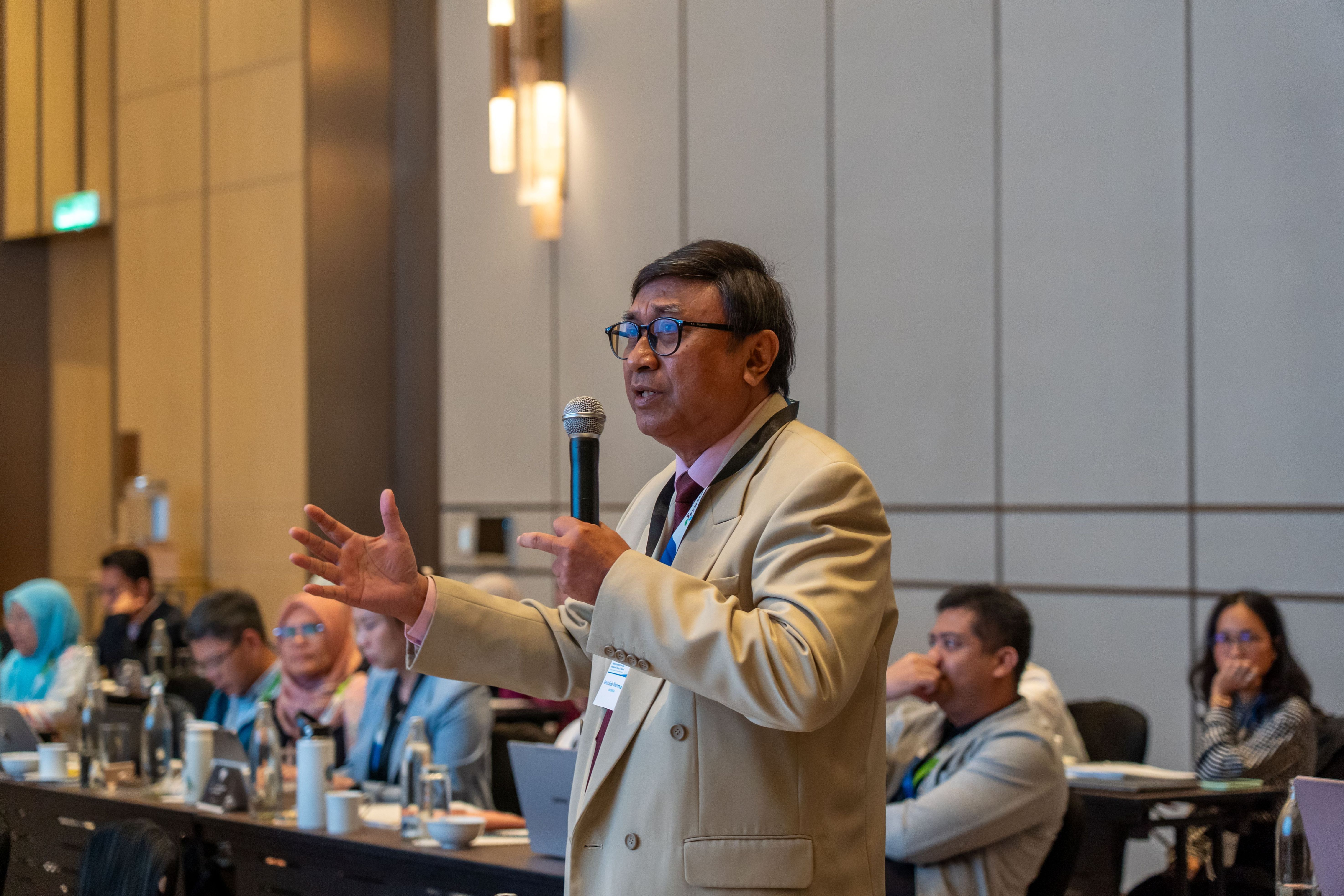
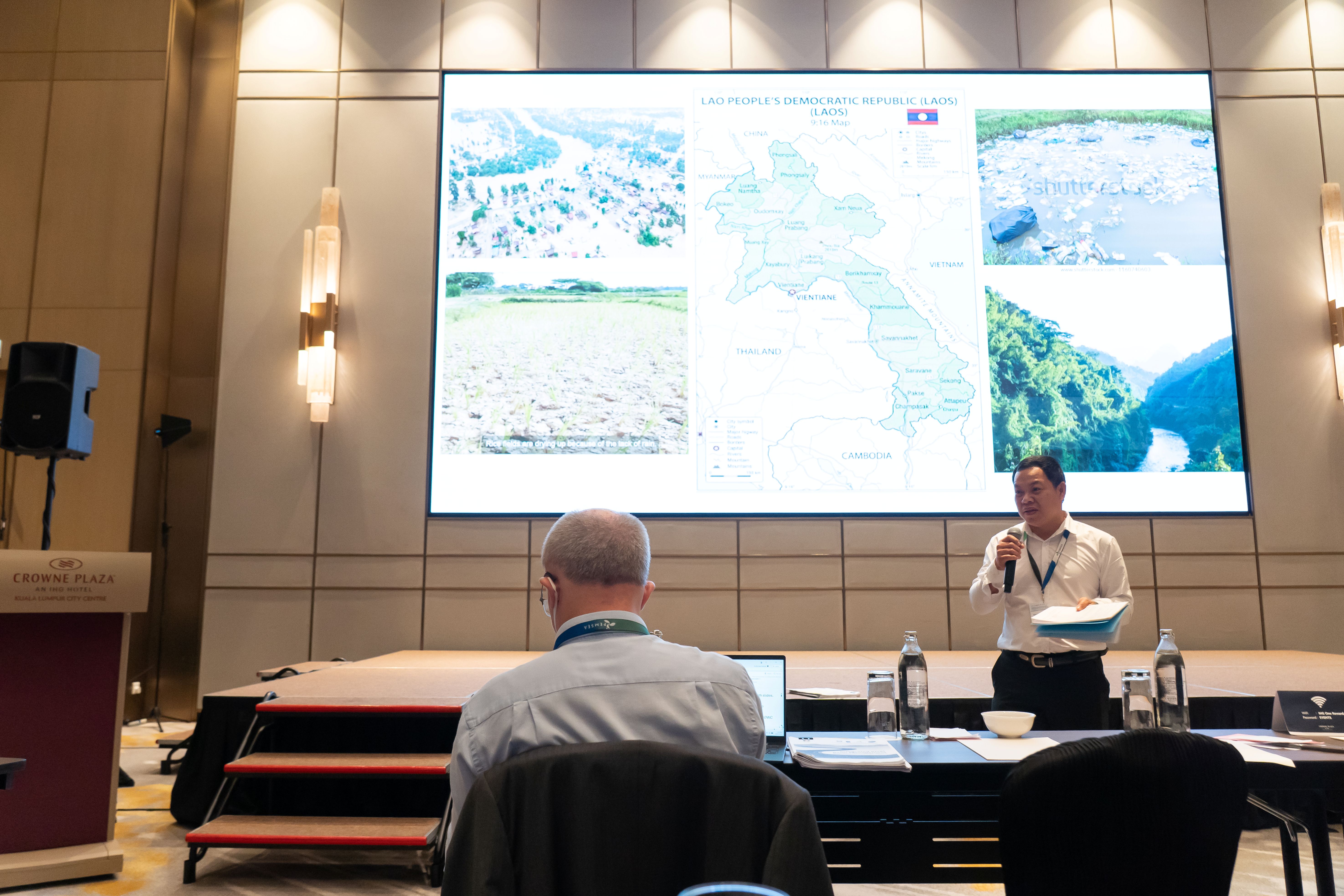
Through a practice-oriented and participatory approach, participants worked through IRBM concepts, planning processes, practical tools, regional case studies, and peer-learning activities, while building the skills needed to facilitate IRBM training within their organizations and countries. The training provided opportunities for participants to exchange experiences and explored how IRBM approaches can be applied across different institutional and river basin contexts.
 |  |  |
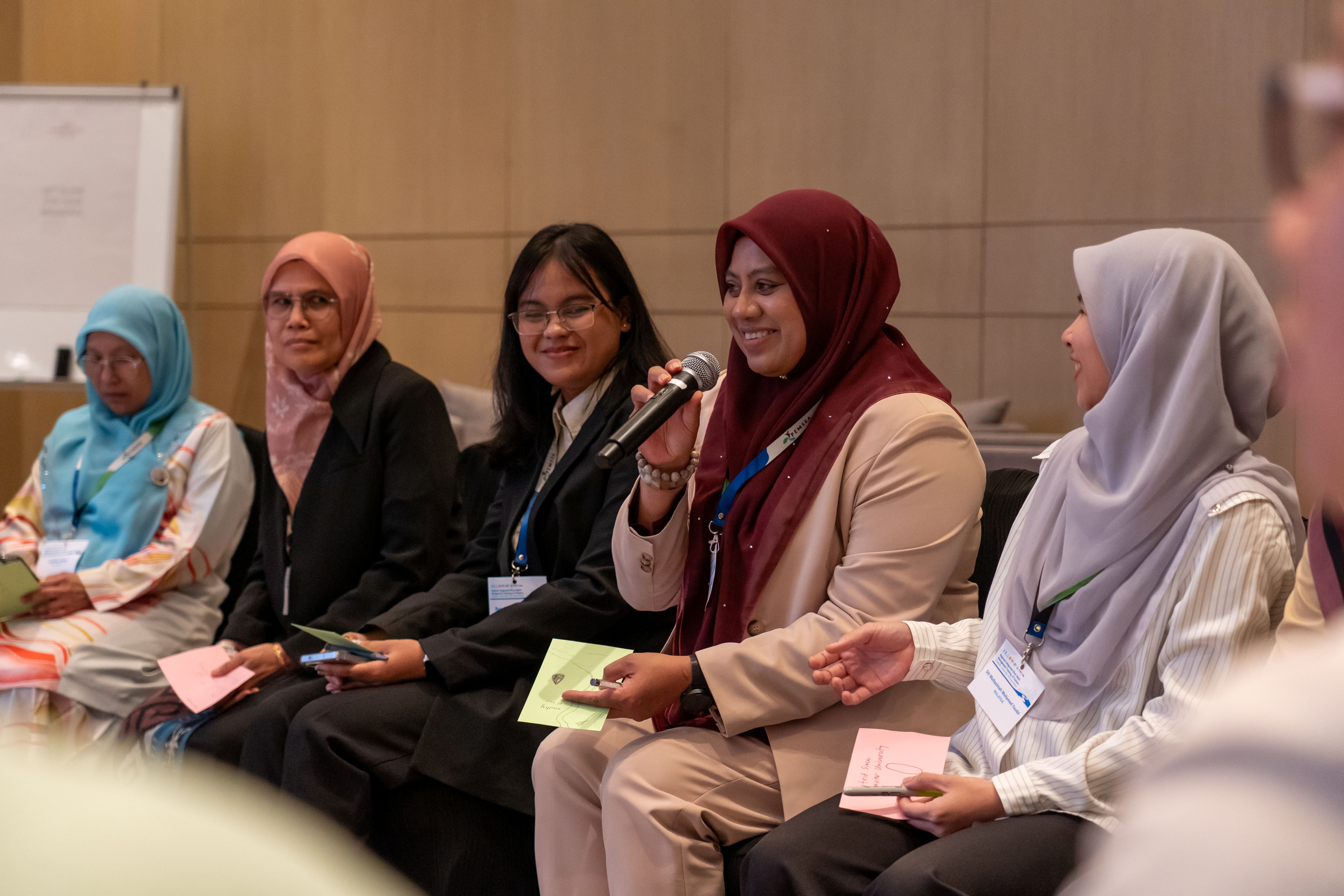 | 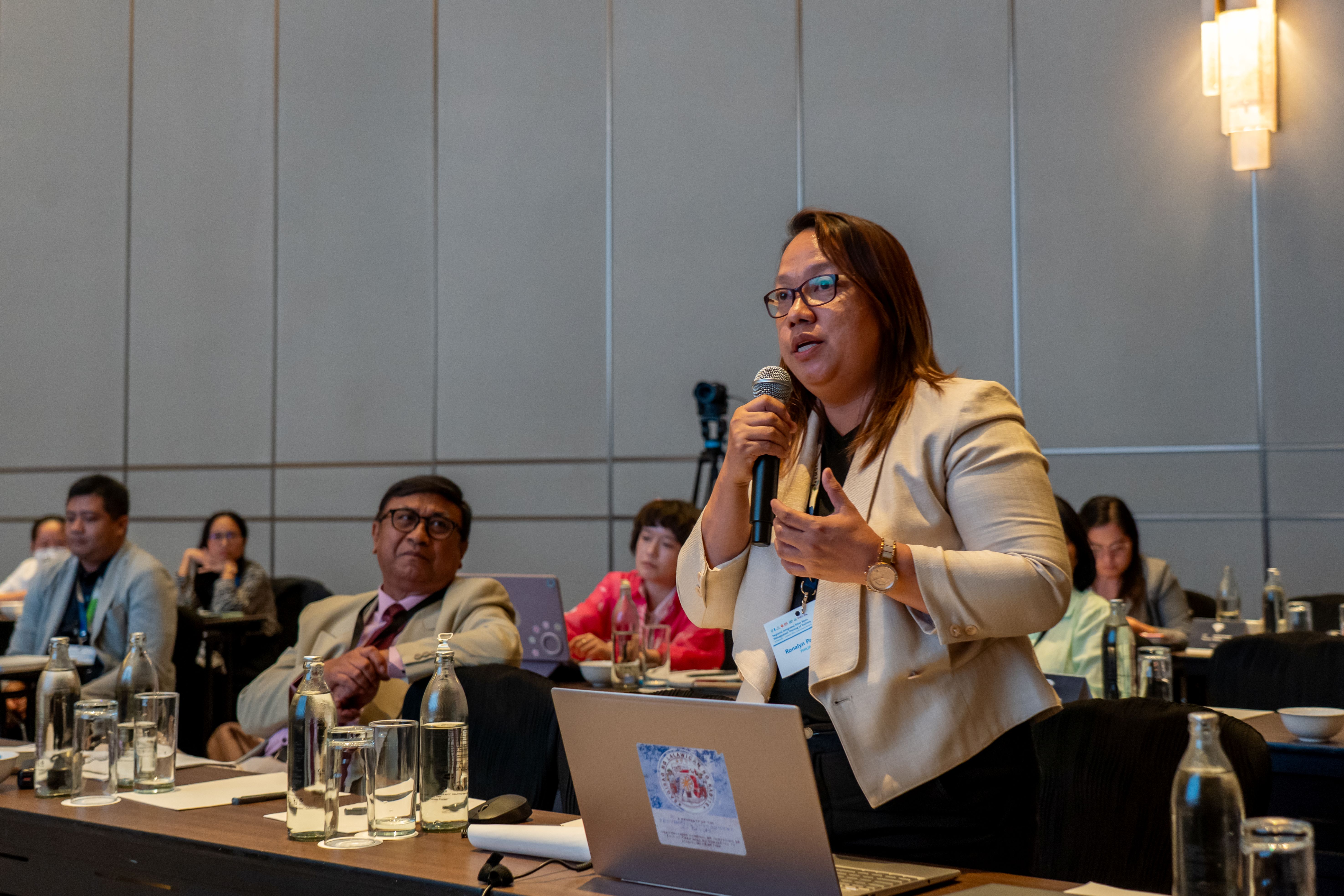 | 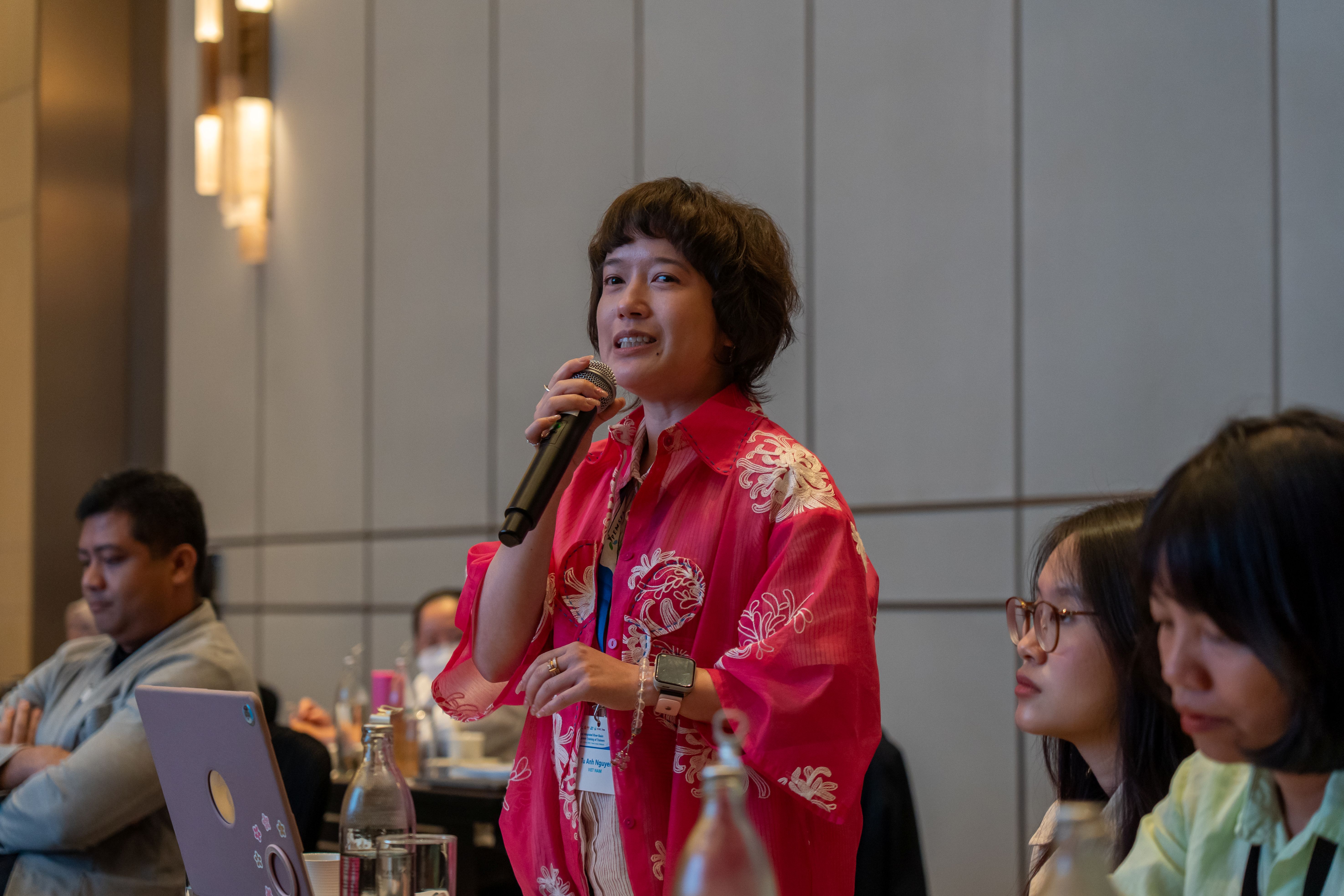 |
Participants from Cambodia, Indonesia, Lao PDR, Malaysia, the Philippines, and Viet Nam during the sessions.
As part of the training, participants undertook site visits to learn from practical examples of integrated river basin management and community-based river stewardship in Malaysia.
At the Lembaga Urus Air Selangor Headquarters in Shah Alam, Selangor, discussions focused on water resource and river basin governance, including institutional coordination and the implementation of IRBM at the state level. LUAS’ longstanding partnership with PEMSEA on Integrated Coastal Management, dating back to 2001, provided further context to the visit. Participants were introduced to key initiatives, including the Selangor Off River Storage Scheme, Zero Discharge Policy, Integrated Water Resources Information System, LUAS Intelligent Support System (LiSS), and the Friends of River programme, which supports community participation in river conservation.
At the Sungai Penchala River Information Centre, participants engaged with representatives from the Global Environment Centre on community-based river stewardship initiatives. Activities included discussions and demonstrations on plastic recycling and hands-on water quality monitoring, as well as an exchange with representatives of the Central 19 Community Garden.
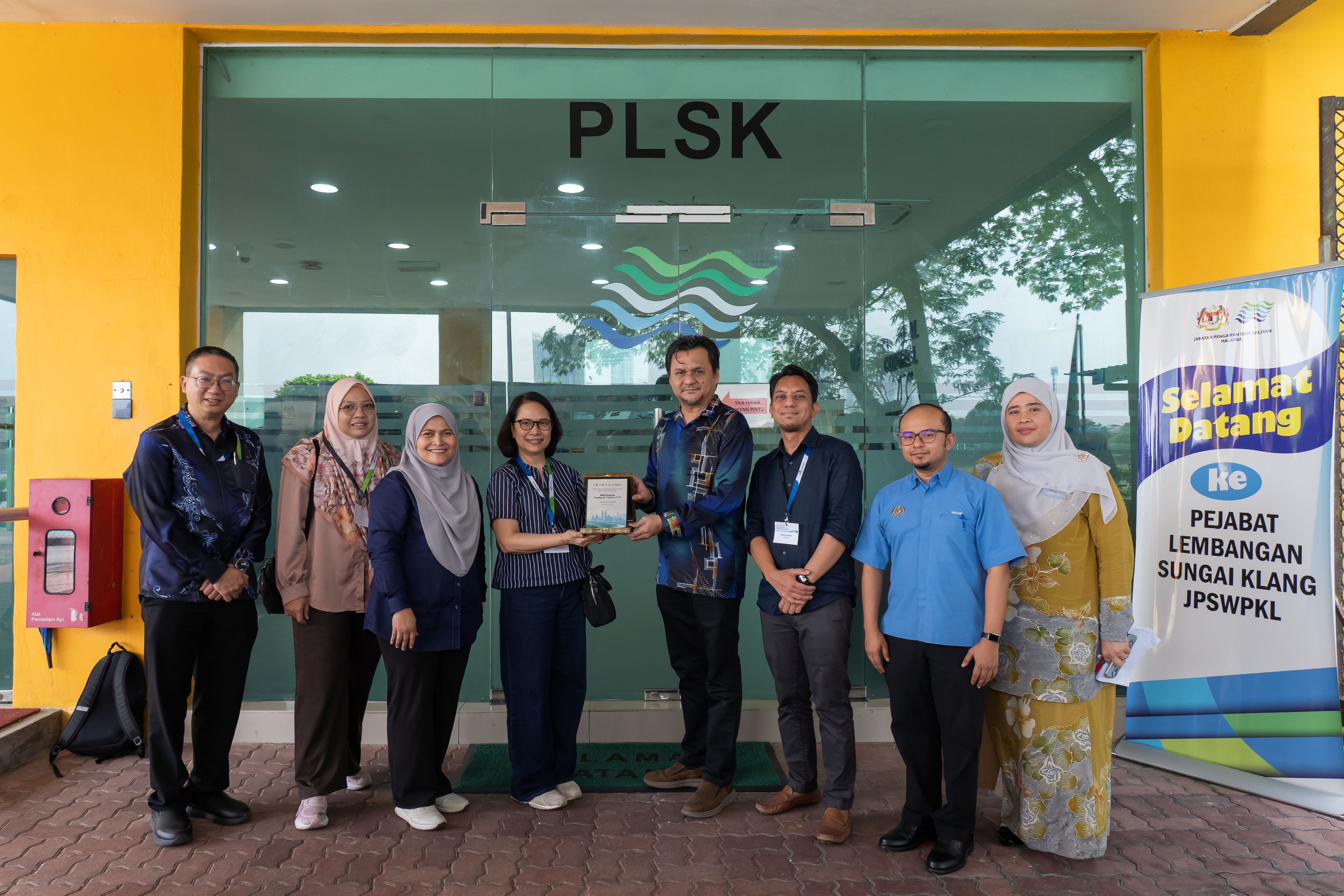
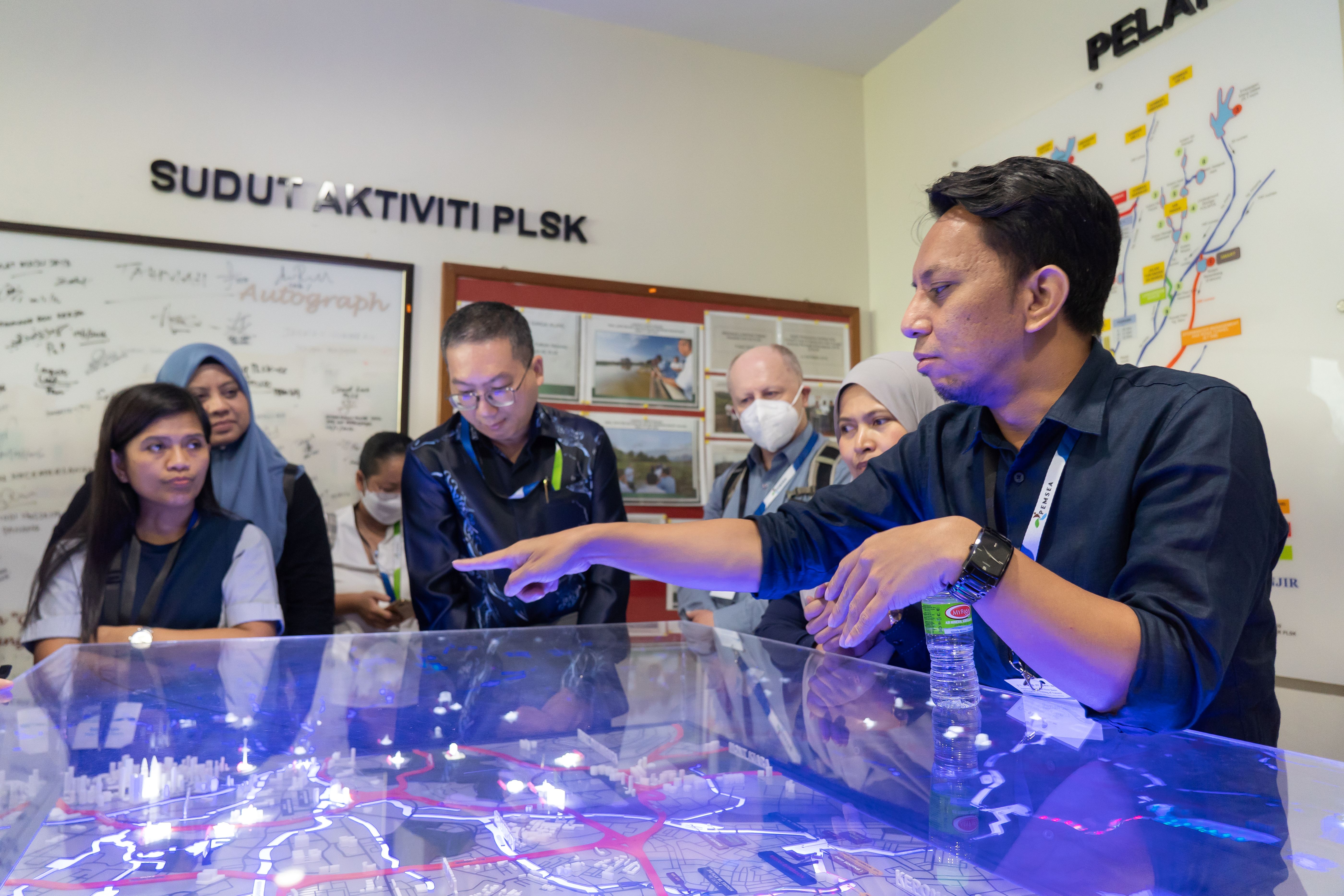
Participants also met with representatives from the Klang River Basin Office under the DID Kuala Lumpur to discuss the operation and management of the Klang River. Discussions covered disaster risk management, flood early warning systems, river conservation and rehabilitation, and water quality management.
 |  |
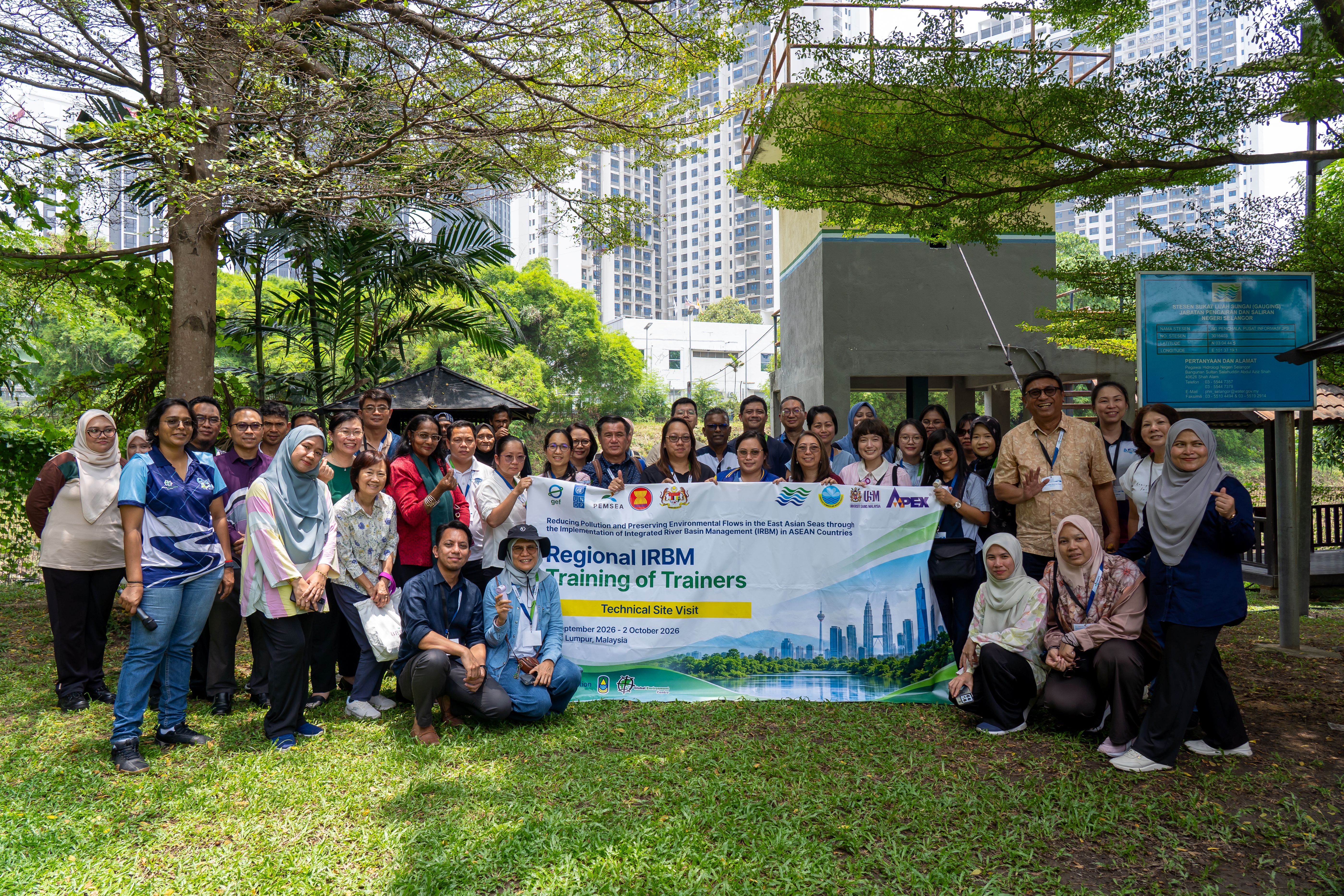 | 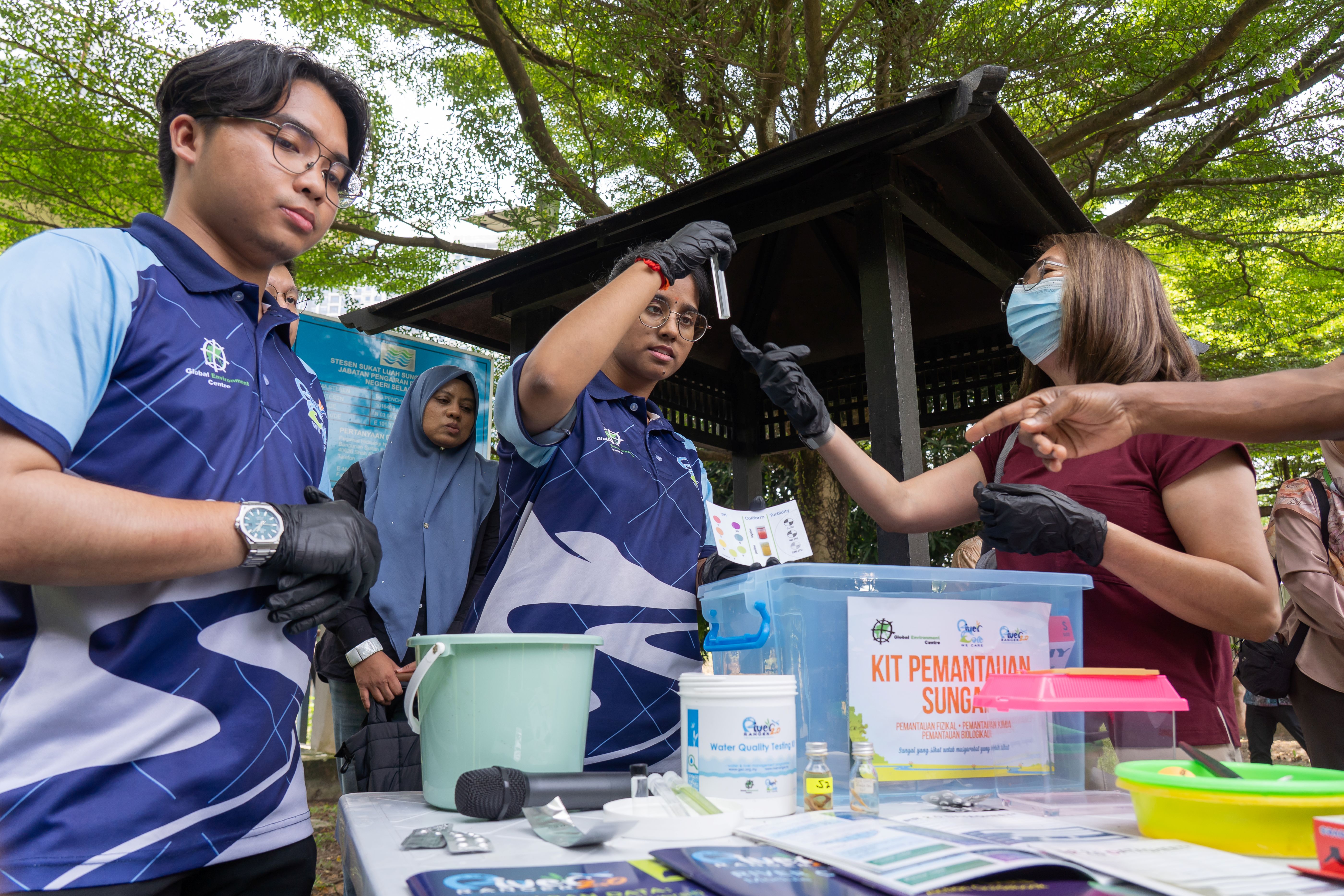 |
Participants during the site visits.
On the final day, participants reflected on insights from the field visit and discussed how the knowledge and tools introduced during the training could be applied to their respective river basin contexts. Working in groups according to their assigned modules, participants reviewed the draft IRBM Training Manual and provided feedback and recommendations on which elements or sections should be retained, which required adjustment or addition, and which could be removed. Through the “Next 90 Days” exercise, they also identified practical commitments and follow-up actions to apply their learning after the training.
In his closing remarks, Dr. Chang emphasized the importance of translating the lessons from the training into action at the river basin level.
“The real value of this training will be realized when we take these lessons back to our respective organizations and countries, adapt them to our own river basin contexts, and use them to strengthen the capacity of others,” said Dr. Chang.
The feedback, practical experiences and recommendations gathered during the training will inform the refinement of the draft IRBM Training Manual, supporting the development of practical capacity-building resources that can be adapted to different country and river basin contexts across the region.
About the Project
Supported by the Global Environment Facility, the Integrated River Basin Management (IRBM) Project is working to establish functional management mechanisms in priority river basins across six ASEAN countries to reduce pollution, sustain freshwater environmental flows, and strengthen resilience to climate change. The regional Project is implemented by the United Nations Development Programme Bangkok Regional Hub and executed by Partnerships in Environmental Management for the Seas of East Asia, in collaboration with ASEAN.
All photos by Orange Omengan/PEMSEA
Recent Articles
The GEF/UNDP/ASEAN IRBM Project Highlights Source-to-Sea Approach at Asia-Pacific Ocean Week 2026
Friday, 30 October 2026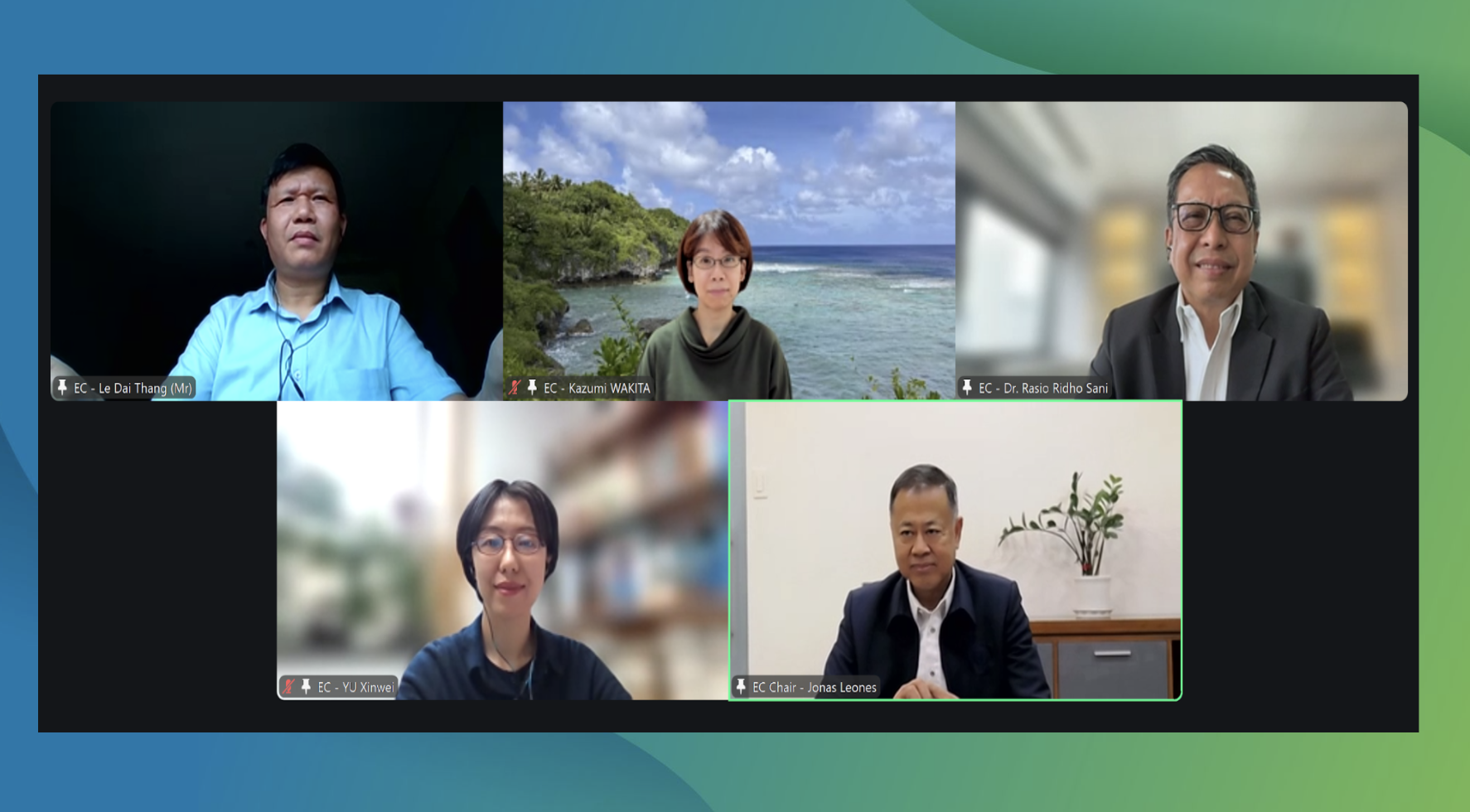
PEMSEA Holds 36th Executive Committee Meeting to Review Regional Priorities for 2027
Thursday, 29 October 2026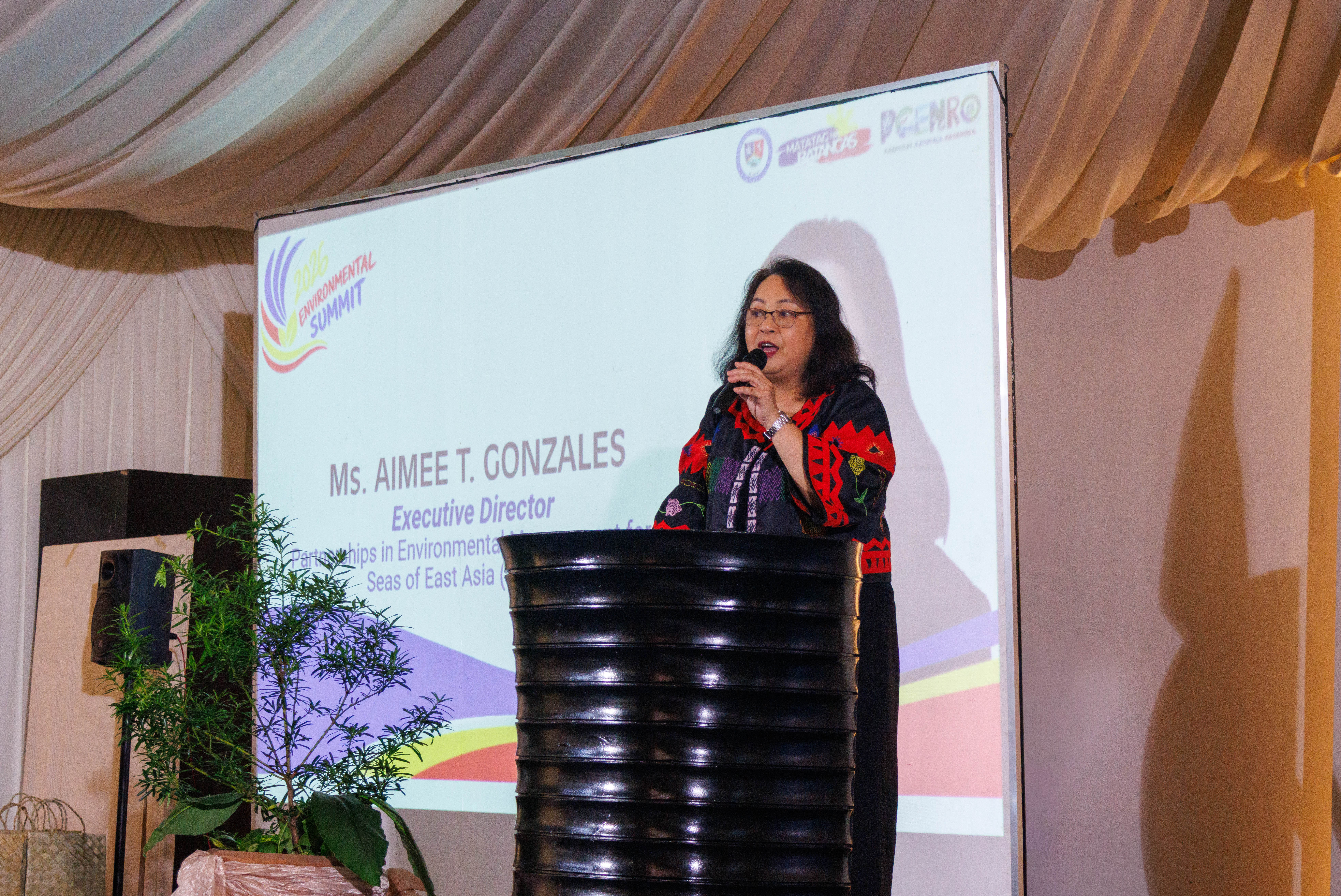
PEMSEA Recognized for Three Decades of Partnership with Batangas Province
Wednesday, 7 October 2026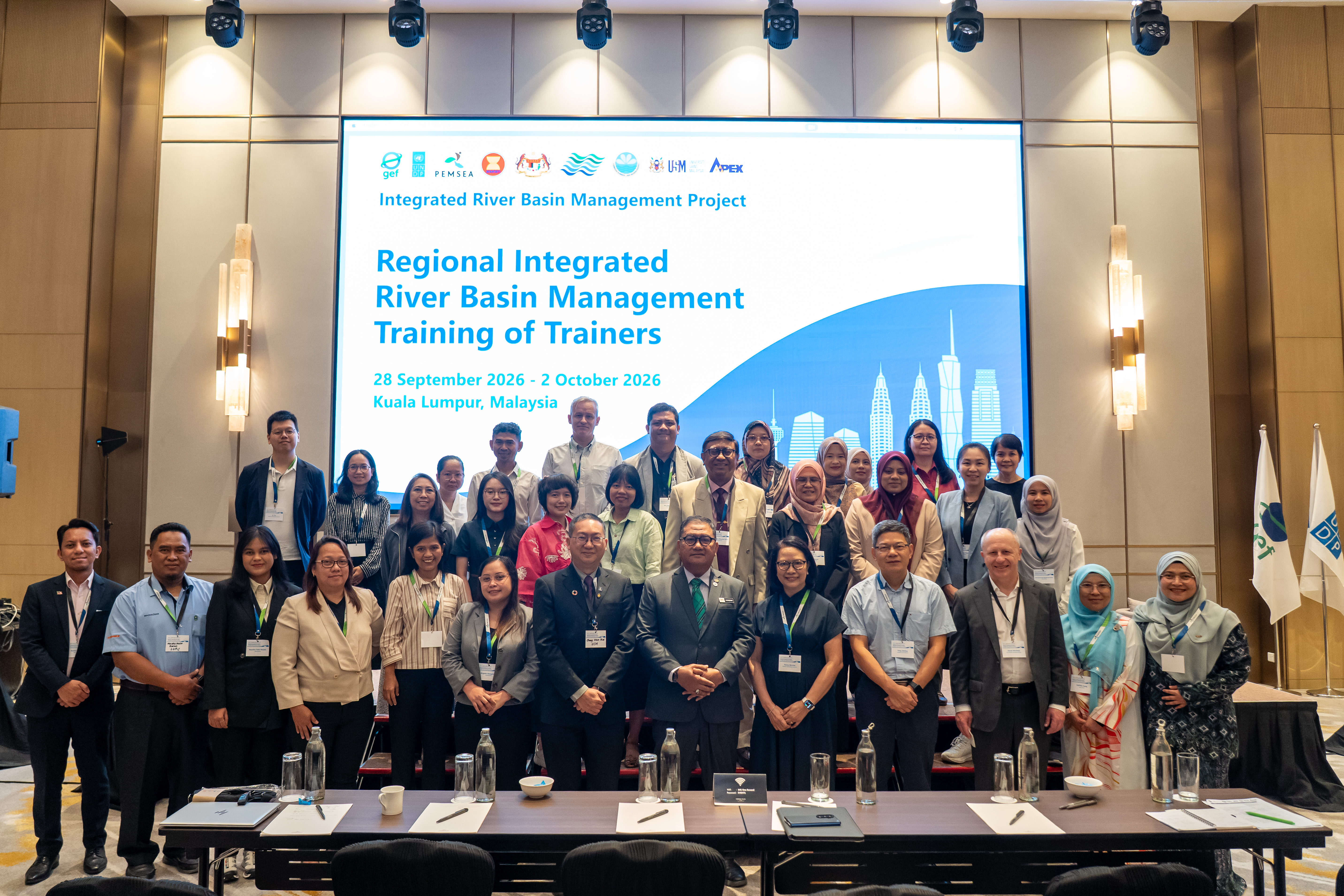
The GEF/UNDP/ASEAN IRBM Project Conducts the Regional Integrated River Basin Management Training of Trainers
Monday, 28 September 2026
"Let This Forum Not Be Remembered for the Words We Spoke, but for the Actions We Inspire": PNLG President's Closing Message Calls for Action Beyond Busan, Republic of Korea
Monday, 21 September 2026