
PEMSEA Brings Regional Perspectives on Ocean Governance at 11th International Waters Conference
Friday, 30 October 2026
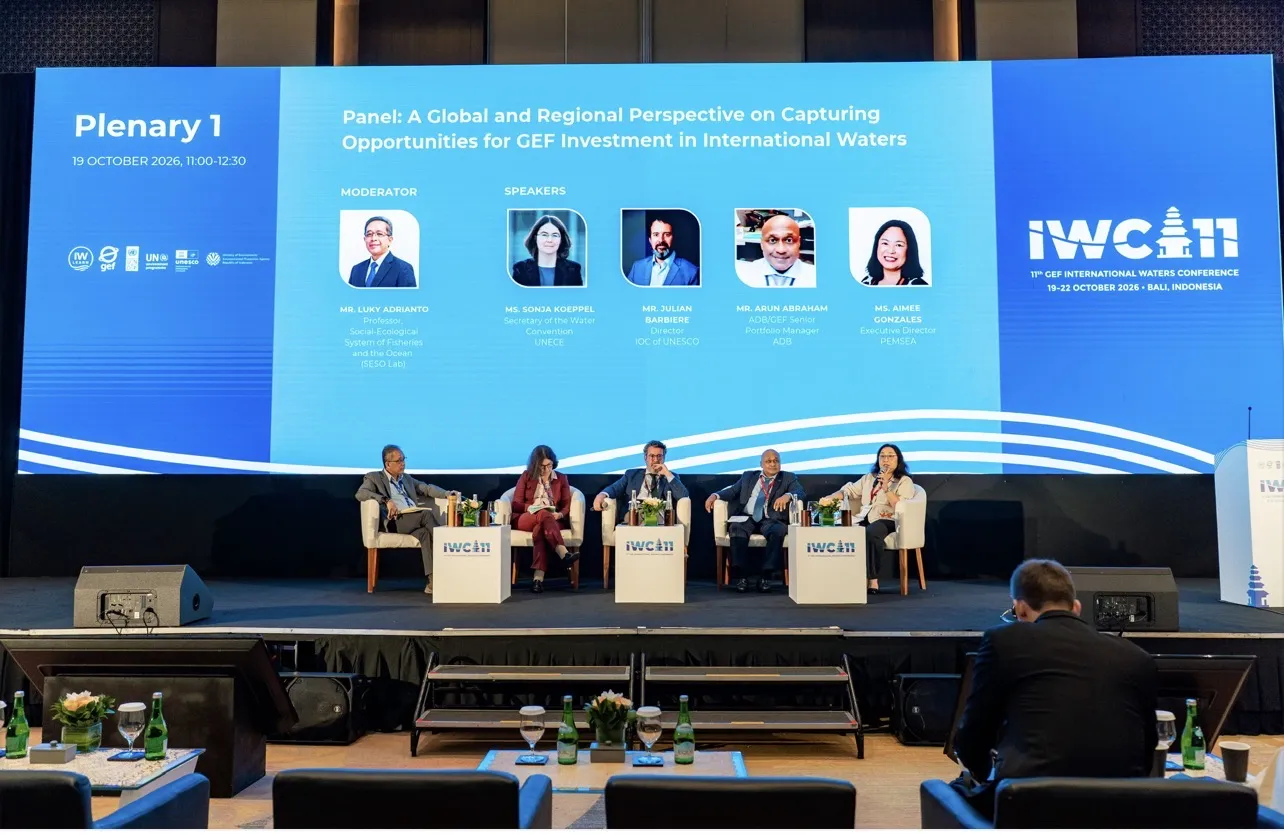
PEMSEA participated in the 11th International Waters Conference (IWC11), held in Denpasar, Indonesia, from 19 to 22 October 2026, sharing experience in regional cooperation, integrated coastal management (ICM), marine conservation, and Source-to-Sea governance.
Organized biennially by the Global Environment Facility (GEF) Secretariat and its partners, the conference brings together stakeholders working on international waters to exchange experiences and advance collaborative approaches to shared environmental challenges.
Regional Frameworks for Sustaining Environmental Investments
PEMSEA Resource Facility Executive Director Aimee Gonzales joined the opening plenary discussion on regional scaling, Source-to-Sea integration, and the future of blue finance. Moderated by Dr. Luky Adrianto, the discussion examined how regional institutional frameworks can help translate global commitments into sustained action at the national and local levels.
Drawing on PEMSEA’s experience, Ms. Gonzales explained how GEF seed funding for scientific assessments, diagnostic studies, and strategic planning can be carried forward through institutions and mechanisms embedded in local governance systems.
Through the Sustainable Development Strategy for the Seas of East Asia (SDS-SEA) and ICM implementation, PEMSEA supports national and local governments in integrating coastal management into local policies, operational budgets, legal systems, and planning processes. These mechanisms help build lasting national and local capacity beyond individual project cycles.
Ms. Gonzales identified three lessons which could be useful for other regions: secure the engagement of local chief executives who influence land use, waste management, and public spending; integrate source-to-sea approaches early to address land-based pressures on coastal ecosystems; and establish regional knowledge networks that connect local governments with local universities and technical institutions.
Ms. Gonzales also noted that ICM and integrated river basin management can help prepare communities and local governments for larger investments by addressing land-sea use conflicts, strengthening institutional capacity, and improving environmental planning and monitoring. Tools such as PEMSEA’s State of the Coasts reporting system can support evidence-based decisions and help sustain environmental priorities across political and funding cycles.
She also pointed to the need for diversified financing models that combine country contributions, multi-donor co-financing, and private capital to support investments in wastewater treatment, solid waste management, and coastal protection.
Advancing Source-to-Sea Governance and Management
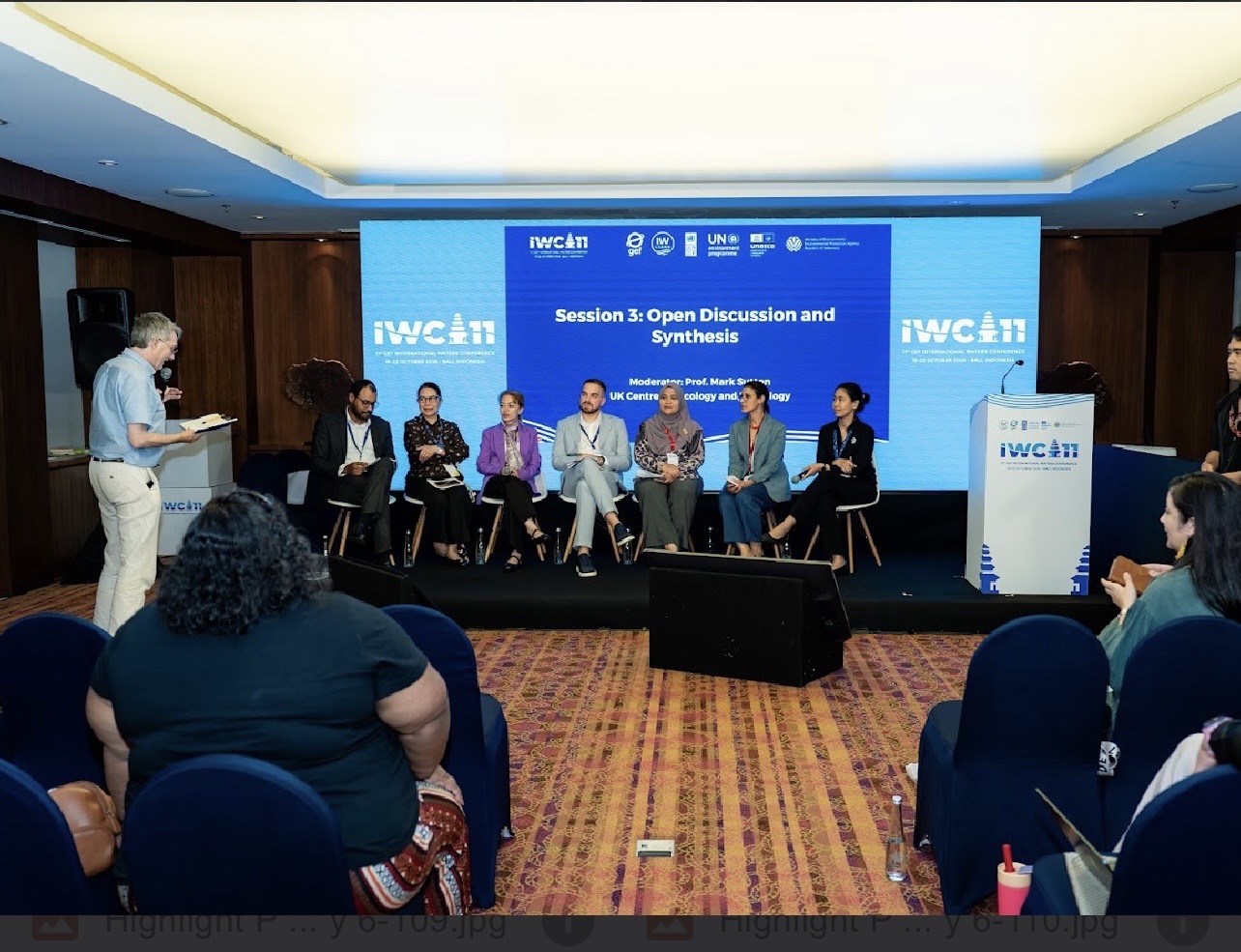
PEMSEA through the UNDP/GEF/ASEAN Integrated River Basin Management (IRBM) Project co-organized the workshop ‘Overcoming Barriers to Effective Source-to-Sea (S2S) Governance and Management: What Is Needed to Make It Happen?’ with the UK Centre for Ecology & Hydrology and the United Nations Environment Programme’s Mediterranean Action Plan (UNEP/MAP).
Ms. Nancy Bermas, Regional Project Manager of the GEF/UNDP/ASEAN IRBM Project discussed the regional collaborative platform and models of S2S governance at subnational levels for managing S2S flows in the ASEAN region.
Held on 22 October, the workshop brought together experiences from Southeast Asia, the Mediterranean, the Black Sea and the Arafura-Timor Seas region to examine the institutional arrangements and practical solutions needed to manage environmental pressures across the Source-to-Sea continuum.
The sessions explored how regional, national, and subnational governance mechanisms can support multi-stakeholder consultations, improve coordination across sectors and jurisdictions, address pressures involving water, pollutants, sediments, biodiversity, and ecosystem services and sustain the initiatives beyond the GEF project grants.
Participants discussed tested practices and lessons that could be adapted and scaled up in other GEF International Waters projects. The session emphasized the importance of documenting implementation challenges and sharing experiences to help sustain effective approaches across different geographic and institutional contexts.
Contributing to Regional Marine Protected Area Cooperation
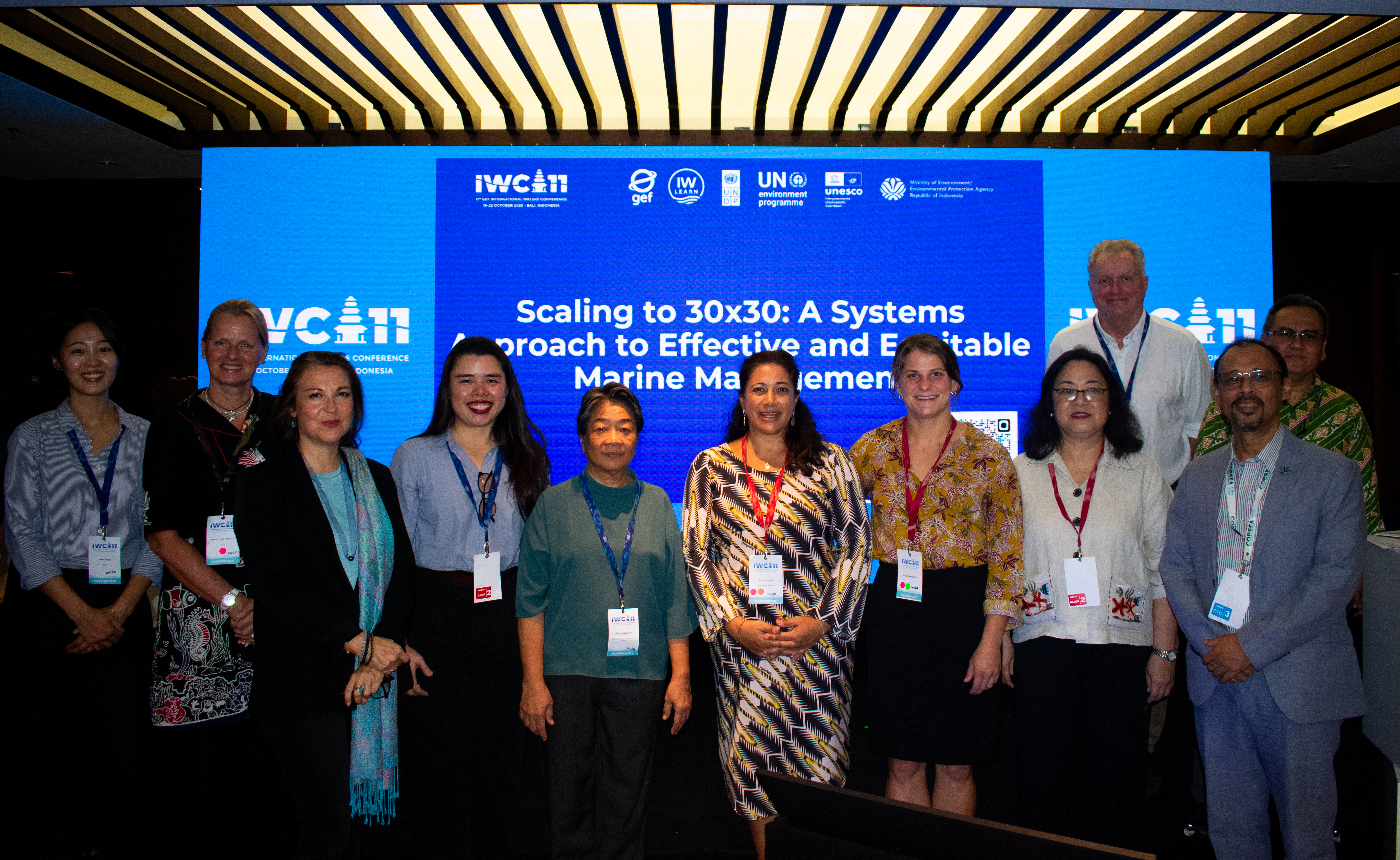
PEMSEA also participated in the session 30/30 Scaling to 30x30: A Systems Approach to Effective and Equitable Marine Management as an active member of the regional collaborative network of marine protected area (MPA) organizations.
The network brings together regional organizations and initiatives working on marine conservation, including the Arafura Timor Seas Program, Coordinating Body on the Seas of East Asia (COBSEA), the Coral Triangle Initiative on Coral Reefs, Fisheries and Food Security (CTI-CFF), IOC-UNESCO WESTPAC, IUCN Asia-Pacific, the North-East Asian Marine Protected Areas Network (NEAMPAN), PEMSEA, and the South China Sea Strategic Action Program (SCS-SAP).
PEMSEA’s participation formed part of its engagement with regional partners working to strengthen cooperation on marine management and support effective and equitable conservation across the region.
Recent Articles
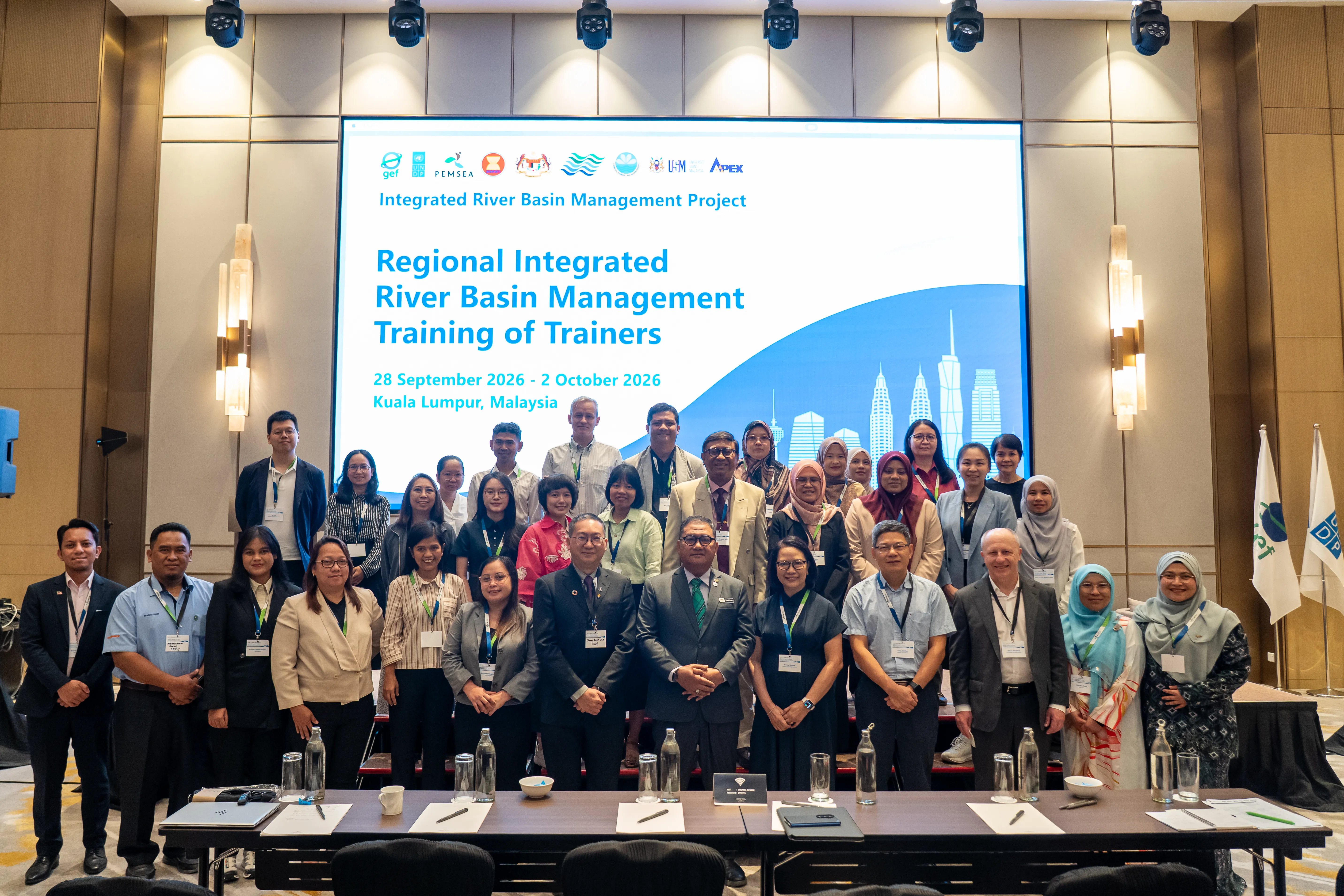
The GEF/UNDP/ASEAN IRBM Project Conducts the Regional Integrated River Basin Management Training of Trainers
Friday, 30 October 2026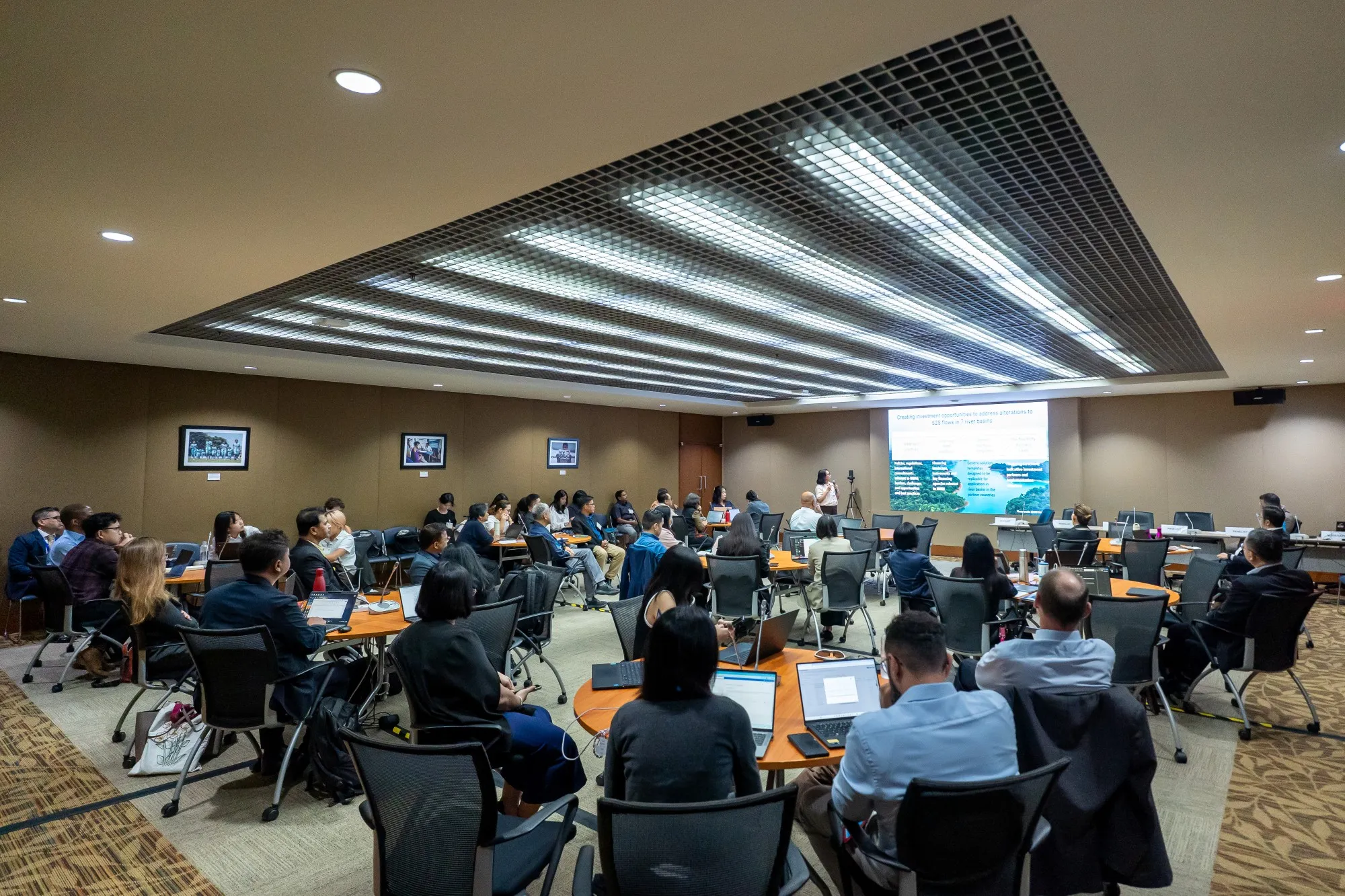
The GEF/UNDP/ASEAN IRBM Project Highlights Source-to-Sea Approach at Asia-Pacific Ocean Week 2026
Friday, 30 October 2026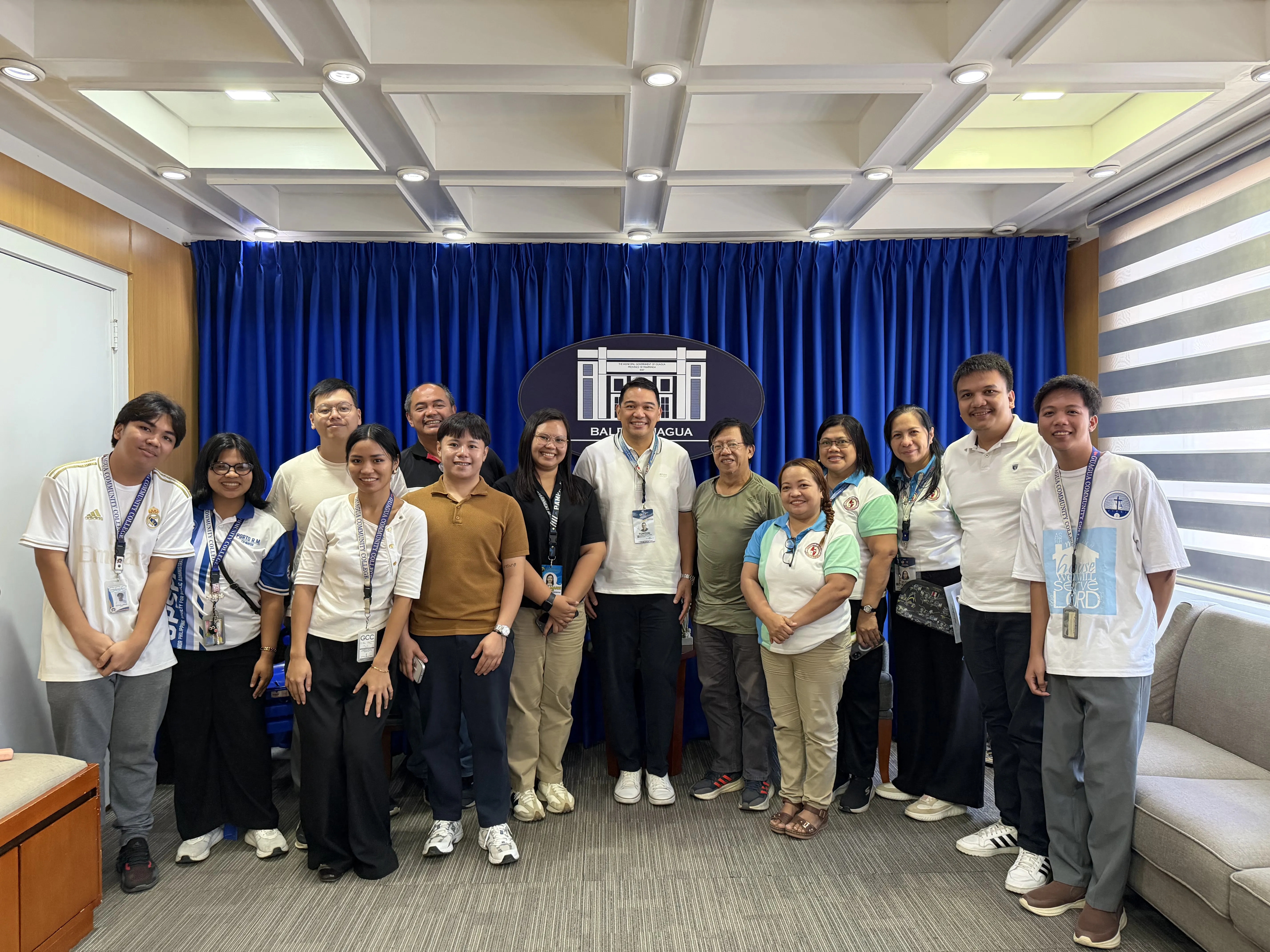
The GEF/UNDP/ASEAN IRBM Project Conducts Technology Needs Assessment for Food and Biodegradable Waste Management in the Pasac–Guagua Watershed
Friday, 30 October 2026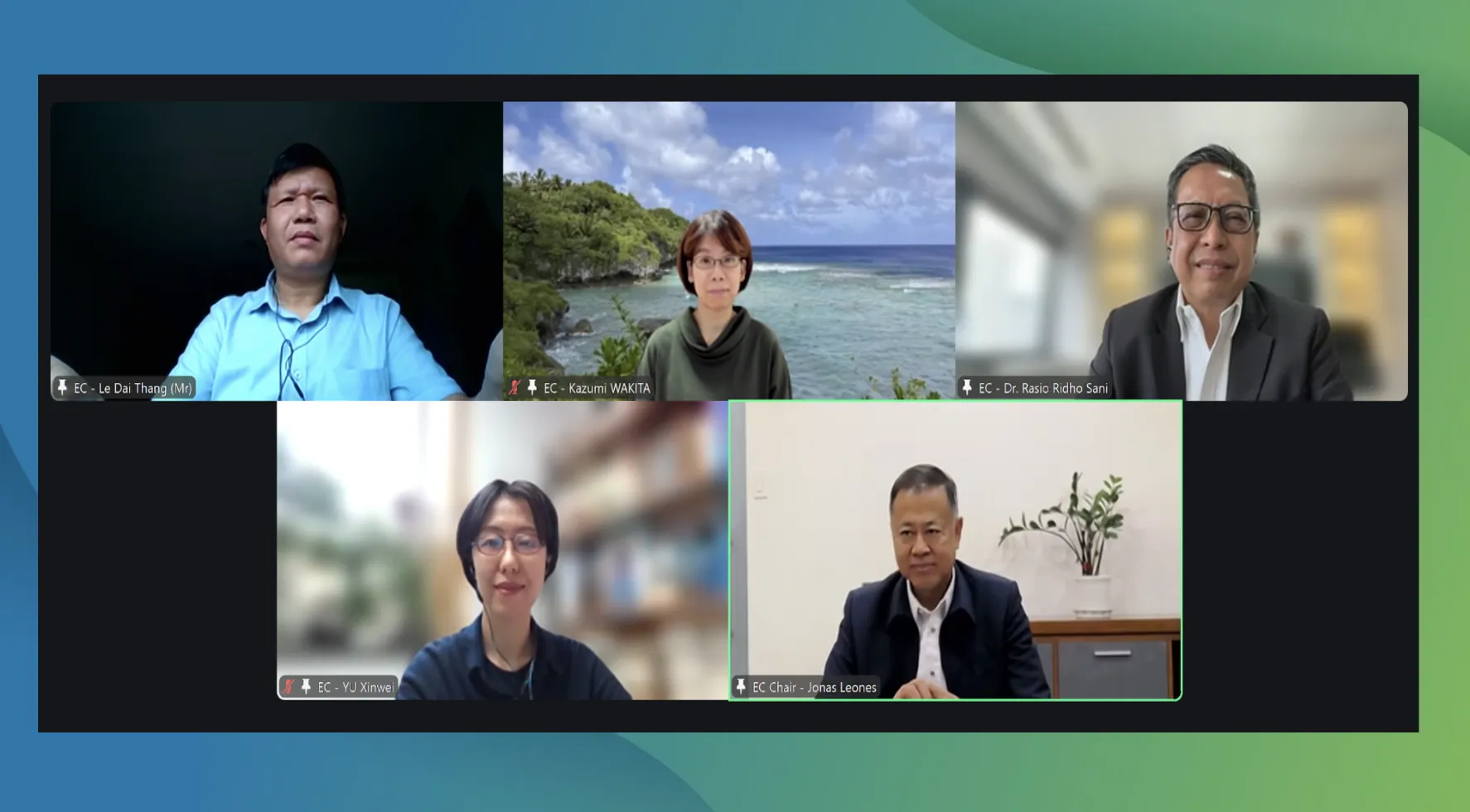
PEMSEA Holds 36th Executive Committee Meeting to Review Regional Priorities for 2027
Thursday, 29 October 2026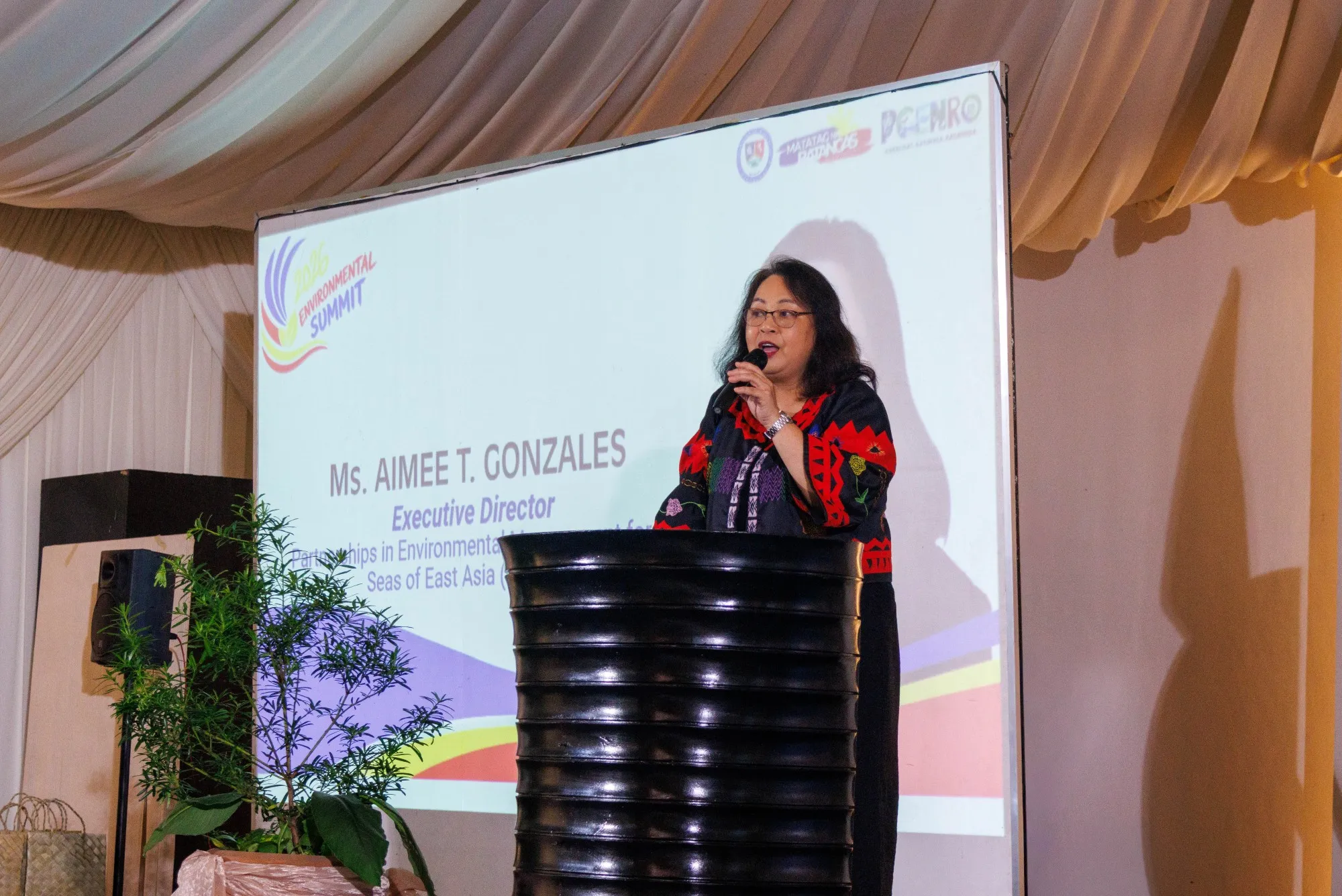
PEMSEA Recognized for Three Decades of Partnership with Batangas Province
Wednesday, 7 October 2026