
The GEF/UNDP/ASEAN IRBM Project Highlights Source-to-Sea Approach at Asia-Pacific Ocean Week 2026
Friday, 30 October 2026
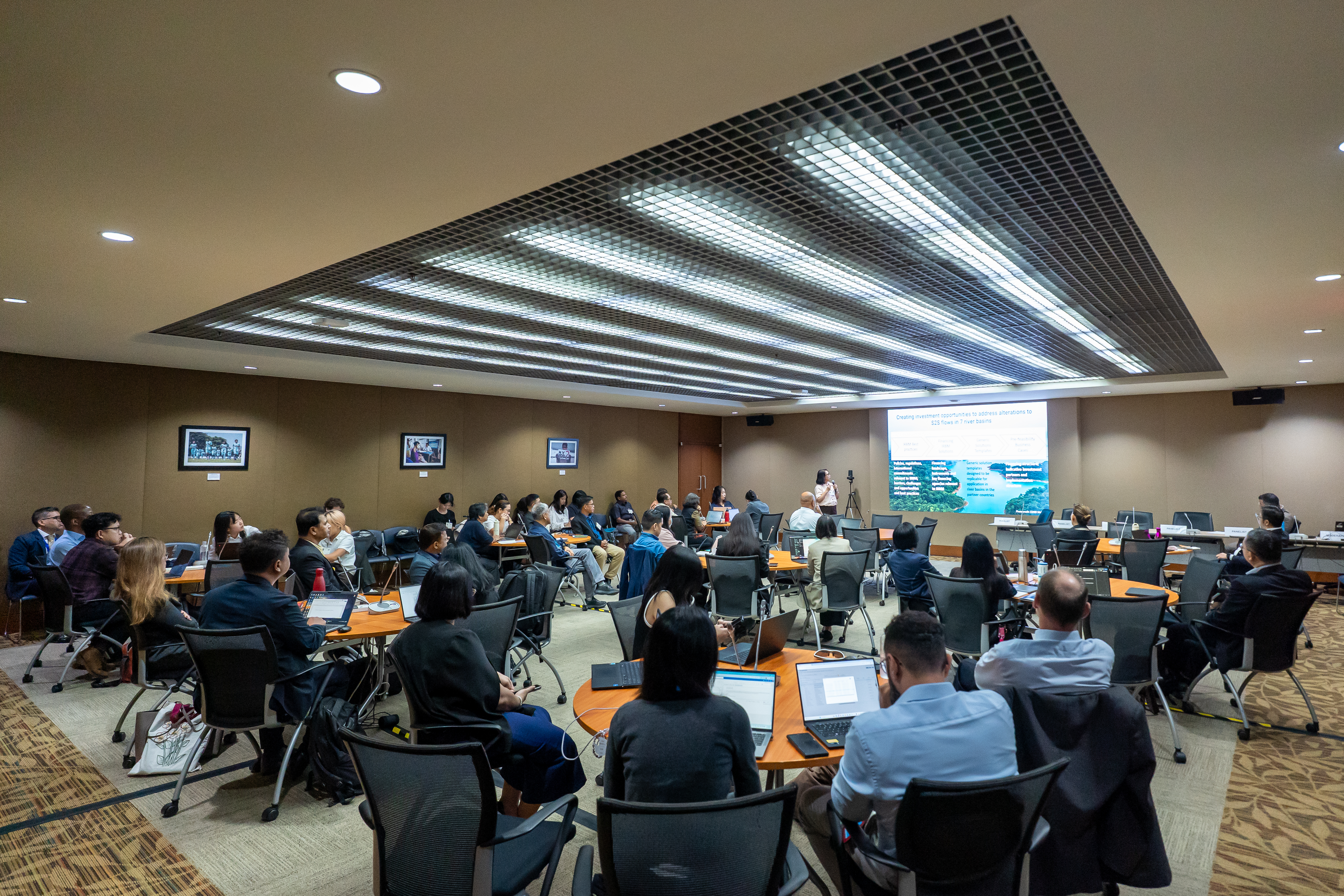
Bangkok, Thailand — The GEF/UNDP/ASEAN Integrated River Basin Management (IRBM) Project participated in the Asia-Pacific Ocean Week 2026, held from 26–30 October at the United Nations Conference Centre highlighting the role of integrated river basin management in addressing environmental challenges affecting interconnected freshwater, coastal, and marine ecosystems.
Organized by the United Nations Economic and Social Commission for Asia and the Pacific (ESCAP), in collaboration with UN agencies and regional partners, the event brought together representatives from governments, regional organizations, civil society, the private sector, and the scientific community to exchange knowledge and experiences and strengthen regional cooperation towards achieving Sustainable Development Goal 14 (Life Below Water).
On 29 October 2026, the IRBM Project participated in the session “Source-to-Sea Solutions: Strengthening Transboundary Water and Ocean Governance in Asia and the Pacific,” organized by UNDP. The session brought together three GEF-supported regional projects implemented by UNDP in partnership with the Pacific Islands Forum Fisheries Agency, ASEAN Centre for Biodiversity, and PEMSEA to share experiences in fisheries governance, marine protected areas, and integrated river basin management, and explore opportunities for collaboration in strengthening transboundary water and ocean governance.
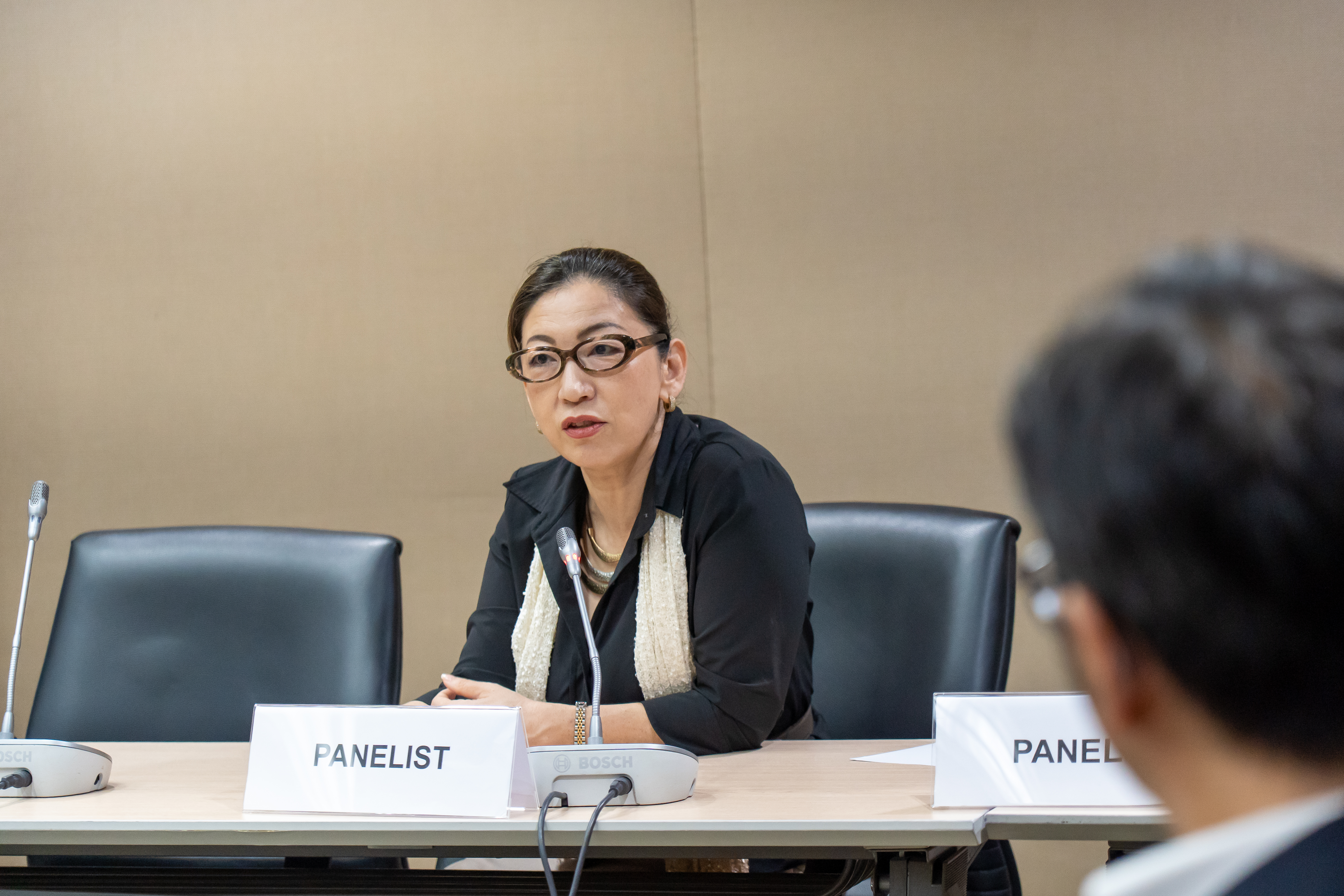
Ms. Akiko Yamamoto, Regional Team Leader for Asia and the Pacific, Nature, Climate, Energy and Waste Team, UNDP, delivered the opening remarks.
In her opening remarks, Ms. Akiko Yamamoto, Regional Team Leader for Asia and the Pacific, Nature, Climate, Energy and Waste Team, UNDP, emphasized the importance of the Source-to-Sea approach in strengthening integrated water and ocean governance:
“At its core, the Source-to-Sea approach is simple. It recognizes that the condition of coastal and marine ecosystems is shaped not only by what happens at sea, but also by decisions made upstream, along coastlines, and across entire watersheds. The approach therefore encourages us to look at systems as connected continuums rather than isolated sectors.”
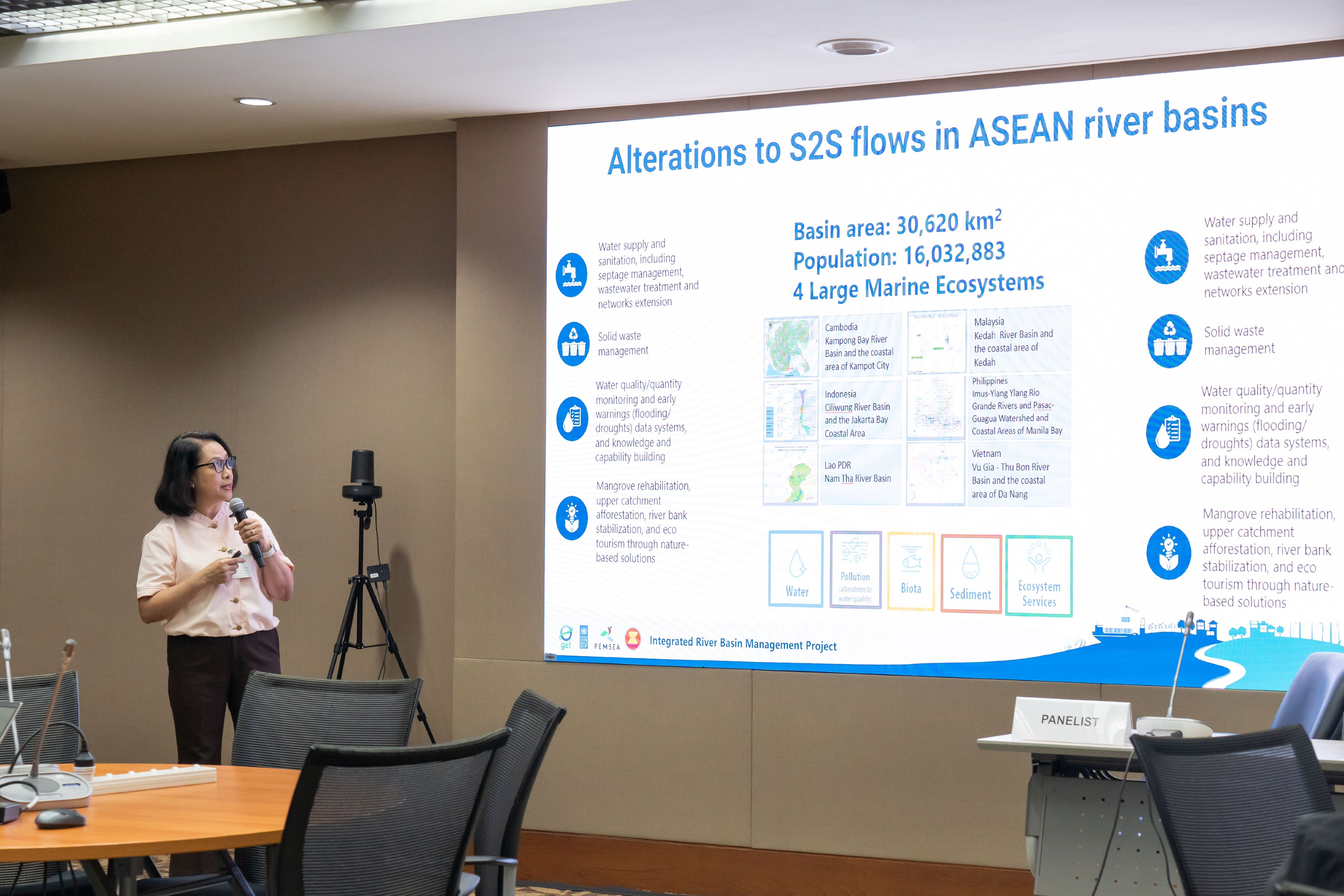 | 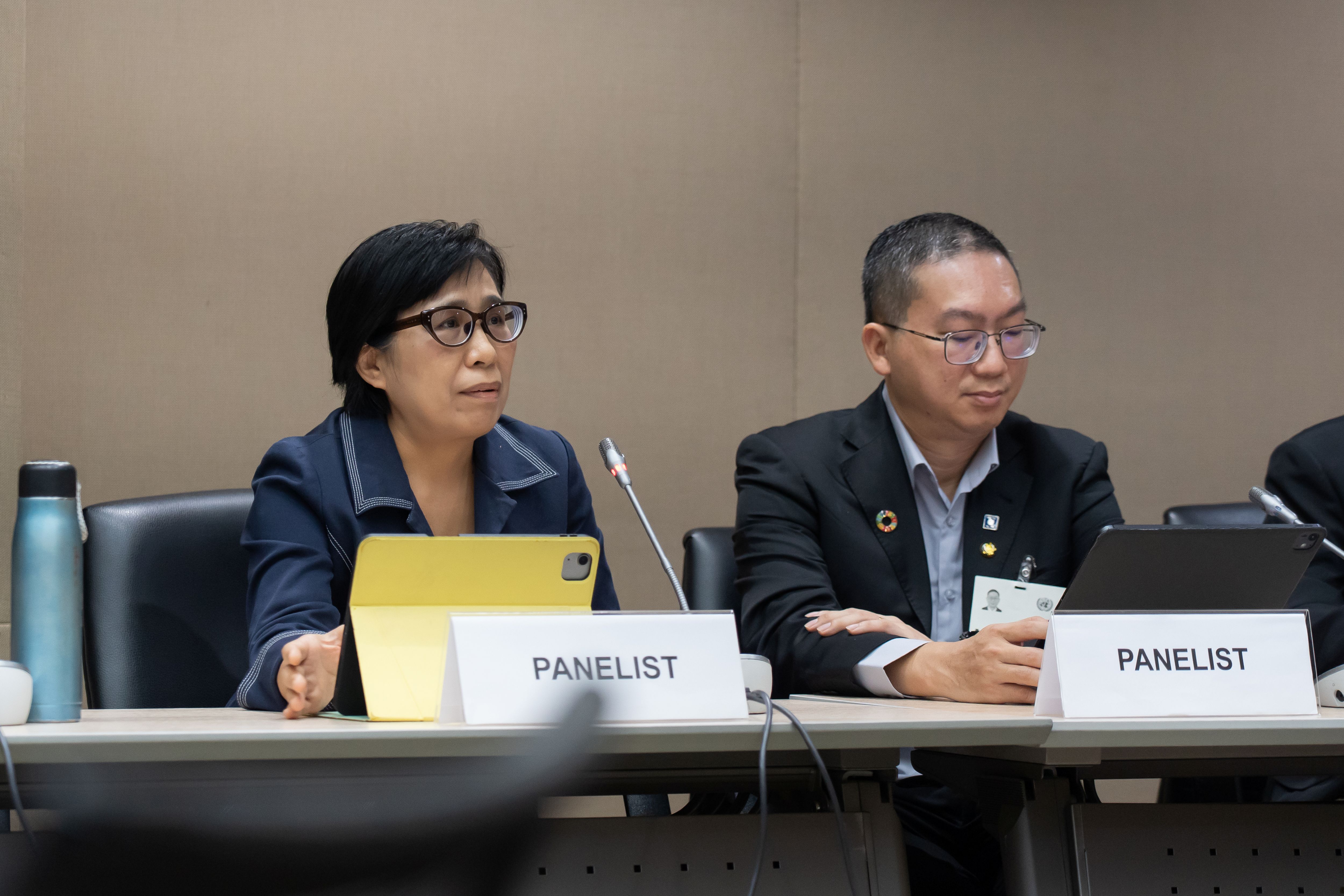 |
(Left) Ms. Nancy Bermas, Regional Project Manager of the IRBM Project, presented the Project’s Source-to-Sea approach, highlighting basin-level assessments, proposed pilot initiatives, and efforts to strengthen river basin governance across six participating ASEAN Member States. (Right) Ms. To Kim Oanh, National Project Coordinator for Viet Nam, and Dr. Chang Chun Kiat of Universiti Sains Malaysia represented the Project as panelists during the discussion.
Representing the IRBM Project, Ms. Nancy Bermas, Regional Project Manager, highlighted the Project’s work across seven priority river basins in six participating ASEAN Member States—Cambodia, Indonesia, Lao PDR, Malaysia, the Philippines, and Viet Nam. Her presentation discussed how the Project uses basin-level assessments to identify alterations to Source-to-Sea flows, including water, pollution, biota, sediment, and ecosystem services, and supports the development of pilot initiatives including identification of financing options and partnership mechanisms for implementation, as well as strengthening governance mechanisms to address priority river basin challenges and their downstream impacts to coastal and marine ecosystems.
The Project was also represented in the panel discussion by Ms. To Kim Oanh, National Project Coordinator for Viet Nam, and Dr. Chang Chun Kiat of Universiti Sains Malaysia. Drawing on Viet Nam’s experience, Ms. Kim Oanh highlighted the challenges of translating established IRBM-related policies and legislations, as well as technical knowledge into practical approaches understood at the local and community levels. Meanwhile, Dr. Chang emphasized the need to strengthen inter-agency data sharing, translate technical evidence into investment proposals, and foster closer collaboration among researchers, government agencies, and implementing partners to support evidence-based river basin management.
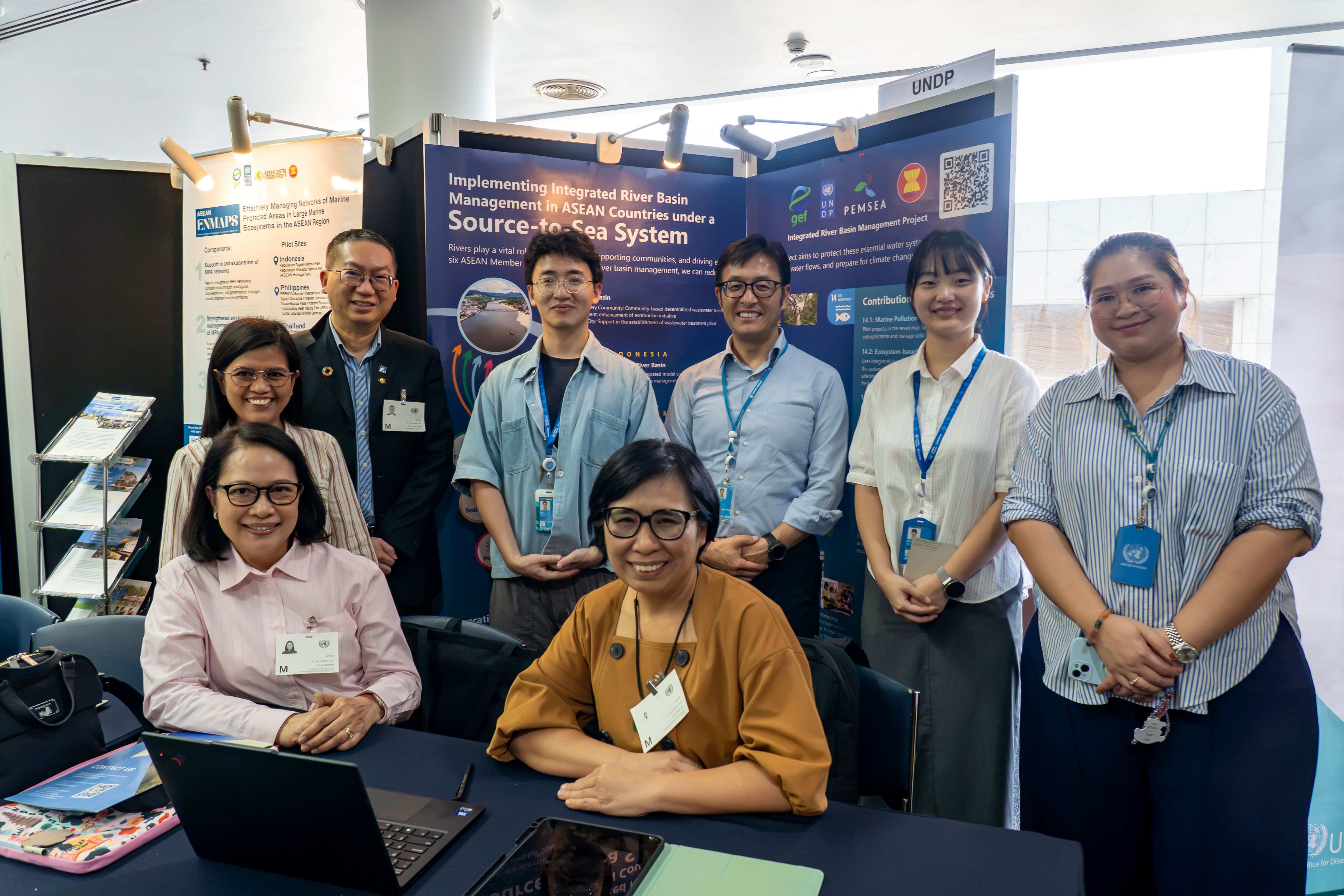 | 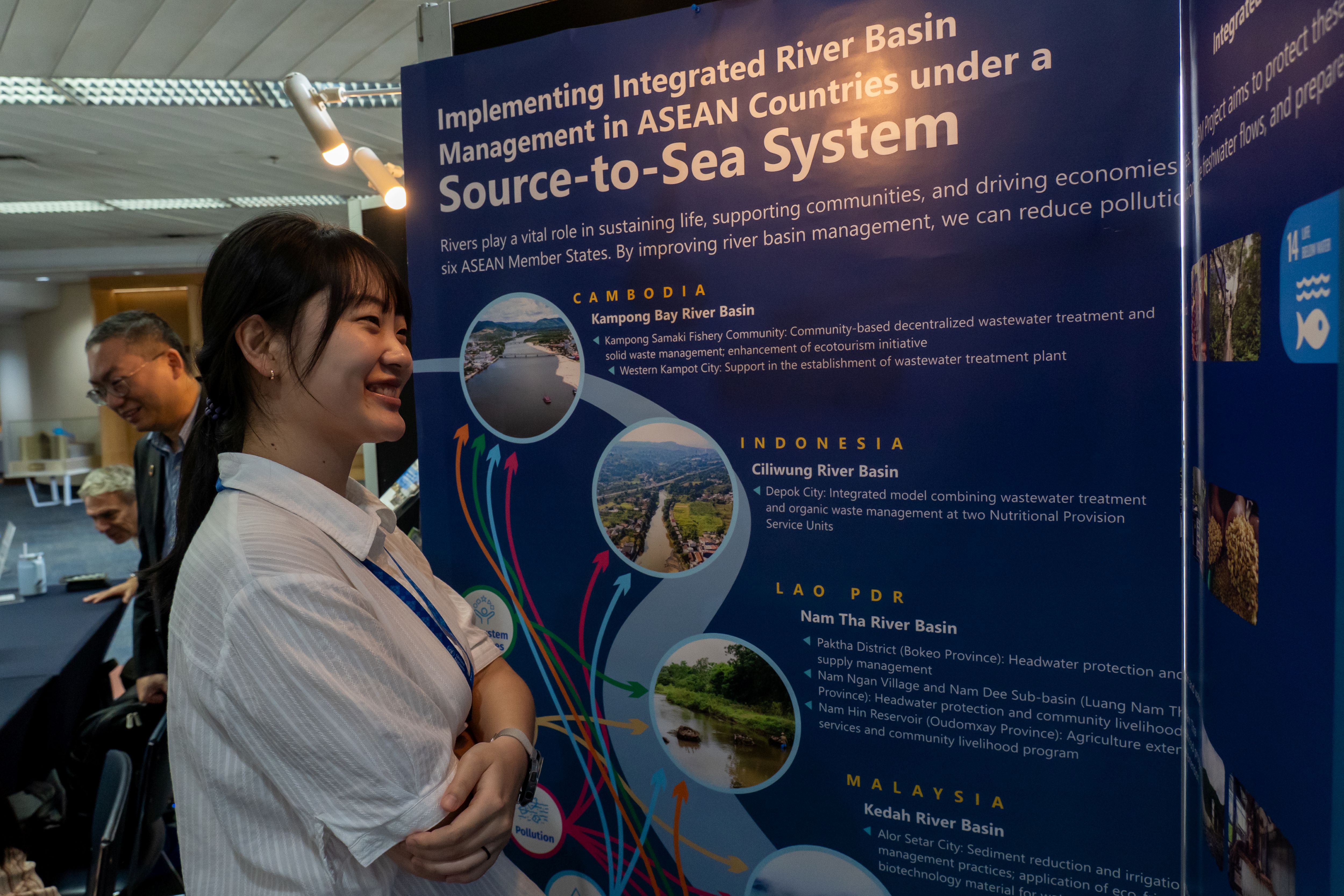 |
The IRBM Project’s exhibit booth at the Asia-Pacific Ocean Week 2026.
The IRBM Project also featured an exhibit titled “Implementing Integrated River Basin Management in ASEAN Countries under a Source-to-Sea System,” showcasing its work across seven priority river basins in six participating ASEAN Member States. The exhibit illustrated how alterations to Source-to-Sea flows, including water, sediment, pollution, biota, and ecosystem services, connect river basin challenges with downstream coastal and marine ecosystems. It also presented proposed pilot initiatives addressing priority river basin issues, the Project’s approach to pilot project development and implementation, and its potential contributions to Sustainable Development Goal 14 (Life Below Water), particularly through pollution reduction, ecosystem-based management, and strengthened environmental monitoring and reporting.
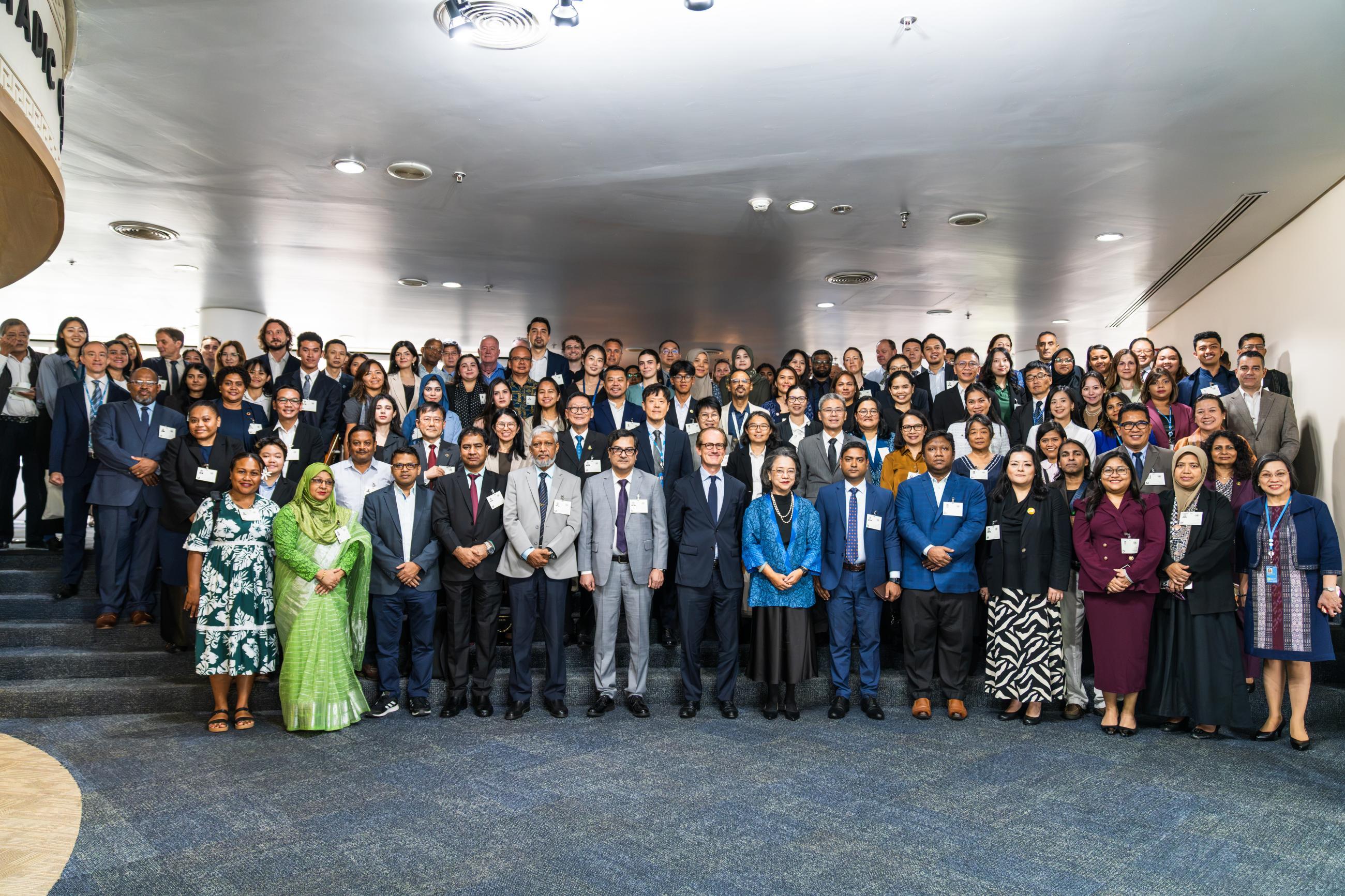
Participants of the Asia-Pacific Ocean Week 2026
Photo Credit: UNESCAP
About the Project
Supported by the Global Environment Facility, the Integrated River Basin Management (IRBM) Project is working to establish functional management mechanisms in priority river basins across six ASEAN countries to reduce pollution, sustain freshwater environmental flows, and strengthen resilience to climate change. The regional Project is implemented by the United Nations Development Programme Bangkok Regional Hub and executed by Partnerships in Environmental Management for the Seas of East Asia, in collaboration with ASEAN.
All photos by Orange Omengan/PEMSEA
Recent Articles
The GEF/UNDP/ASEAN IRBM Project Conducts the Regional Integrated River Basin Management Training of Trainers
Friday, 30 October 2026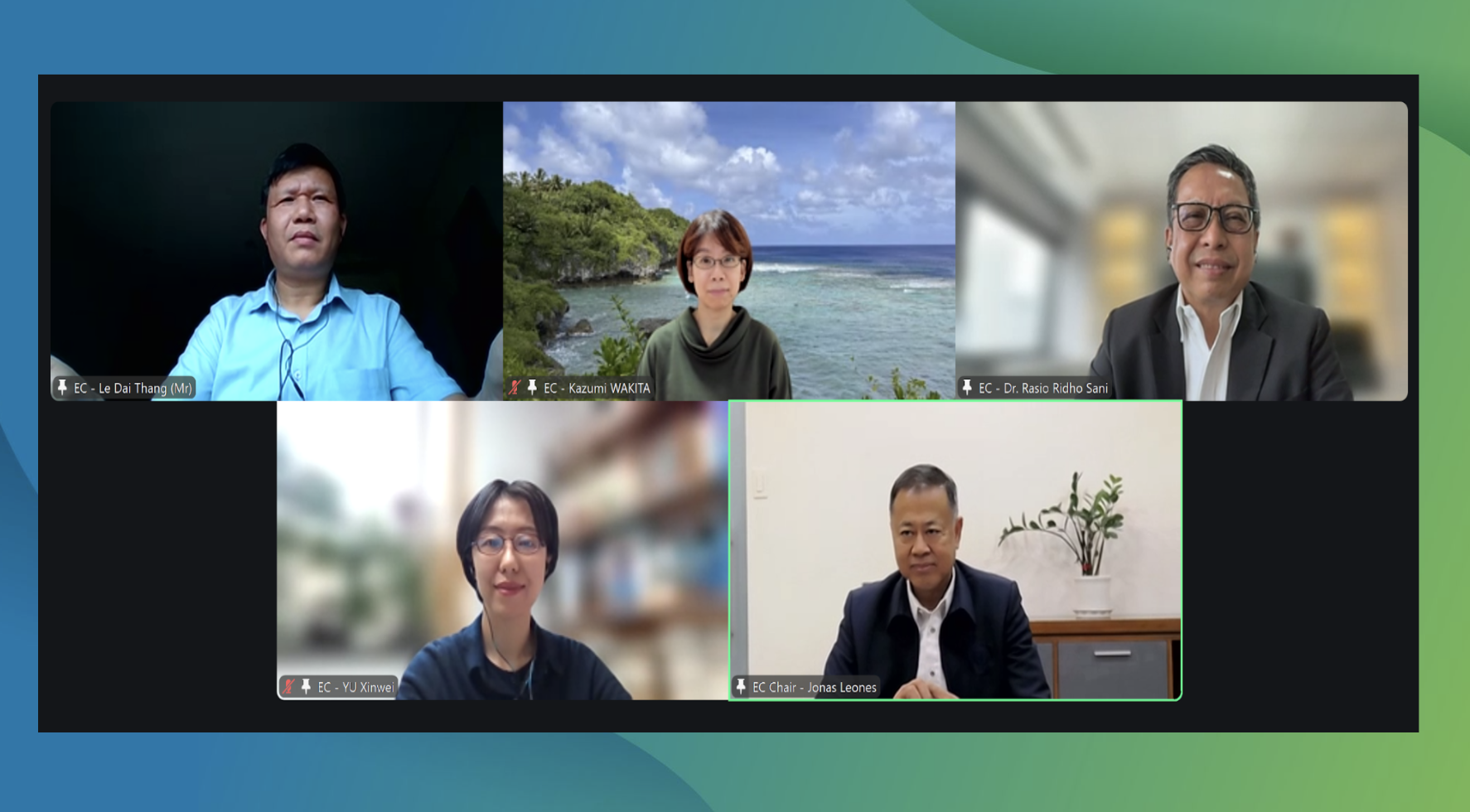
PEMSEA Holds 36th Executive Committee Meeting to Review Regional Priorities for 2027
Thursday, 29 October 2026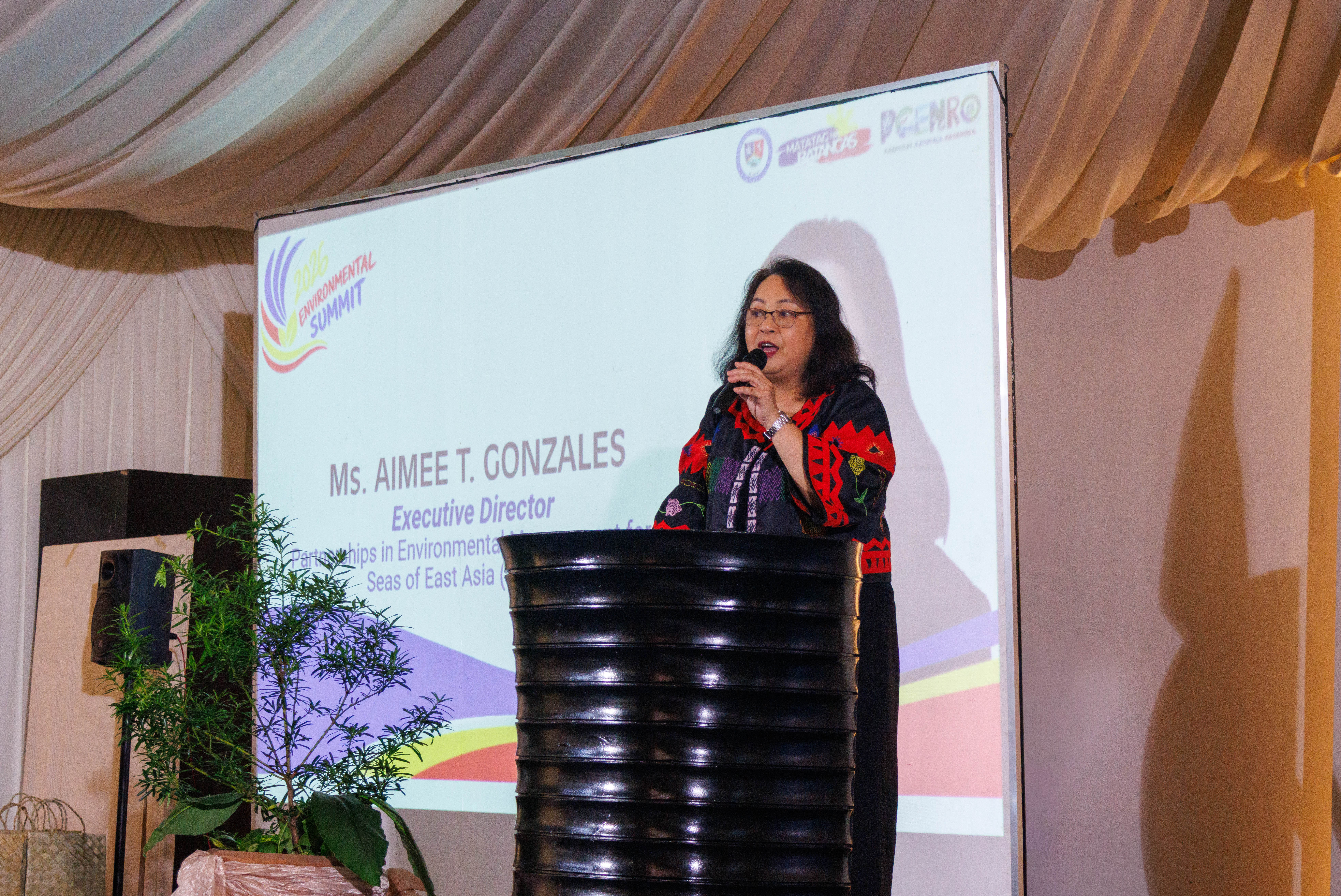
PEMSEA Recognized for Three Decades of Partnership with Batangas Province
Wednesday, 7 October 2026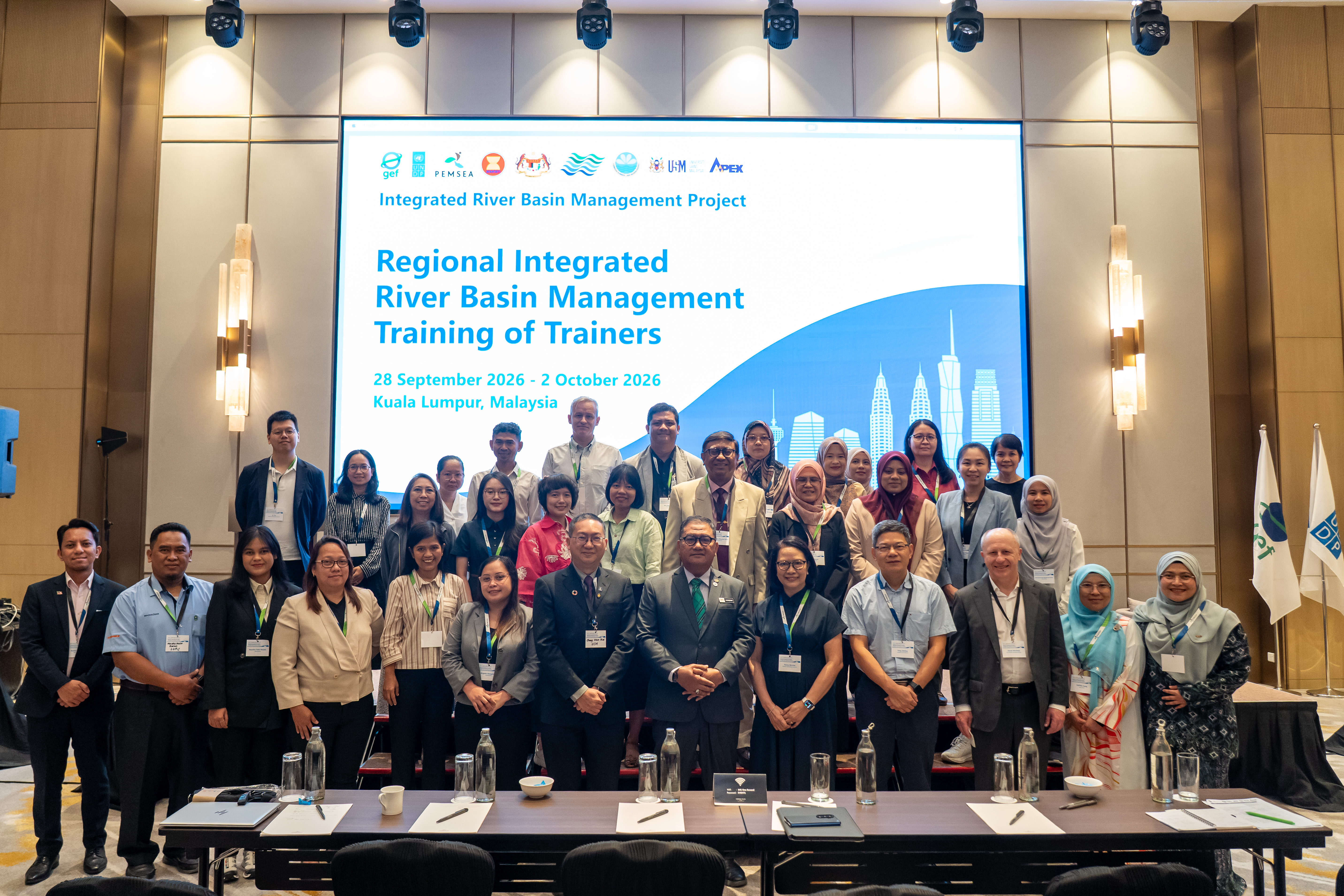
The GEF/UNDP/ASEAN IRBM Project Conducts the Regional Integrated River Basin Management Training of Trainers
Monday, 28 September 2026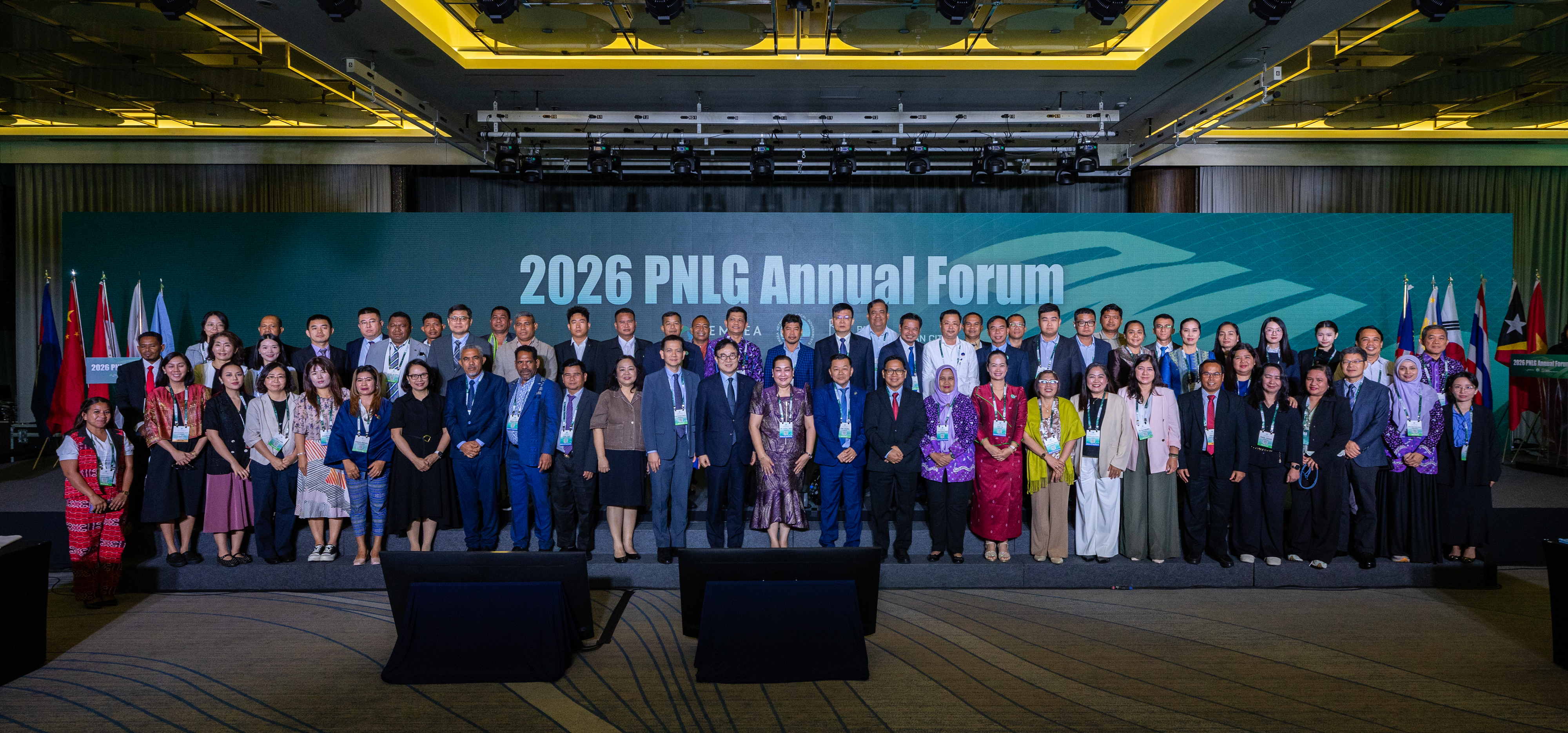
"Let This Forum Not Be Remembered for the Words We Spoke, but for the Actions We Inspire": PNLG President's Closing Message Calls for Action Beyond Busan, Republic of Korea
Monday, 21 September 2026