
18th PEMSEA Partnership Council Meeting Delegates Explore Singapore’s Sungei Buloh Wetland Reserve
Friday, 31 July 2026
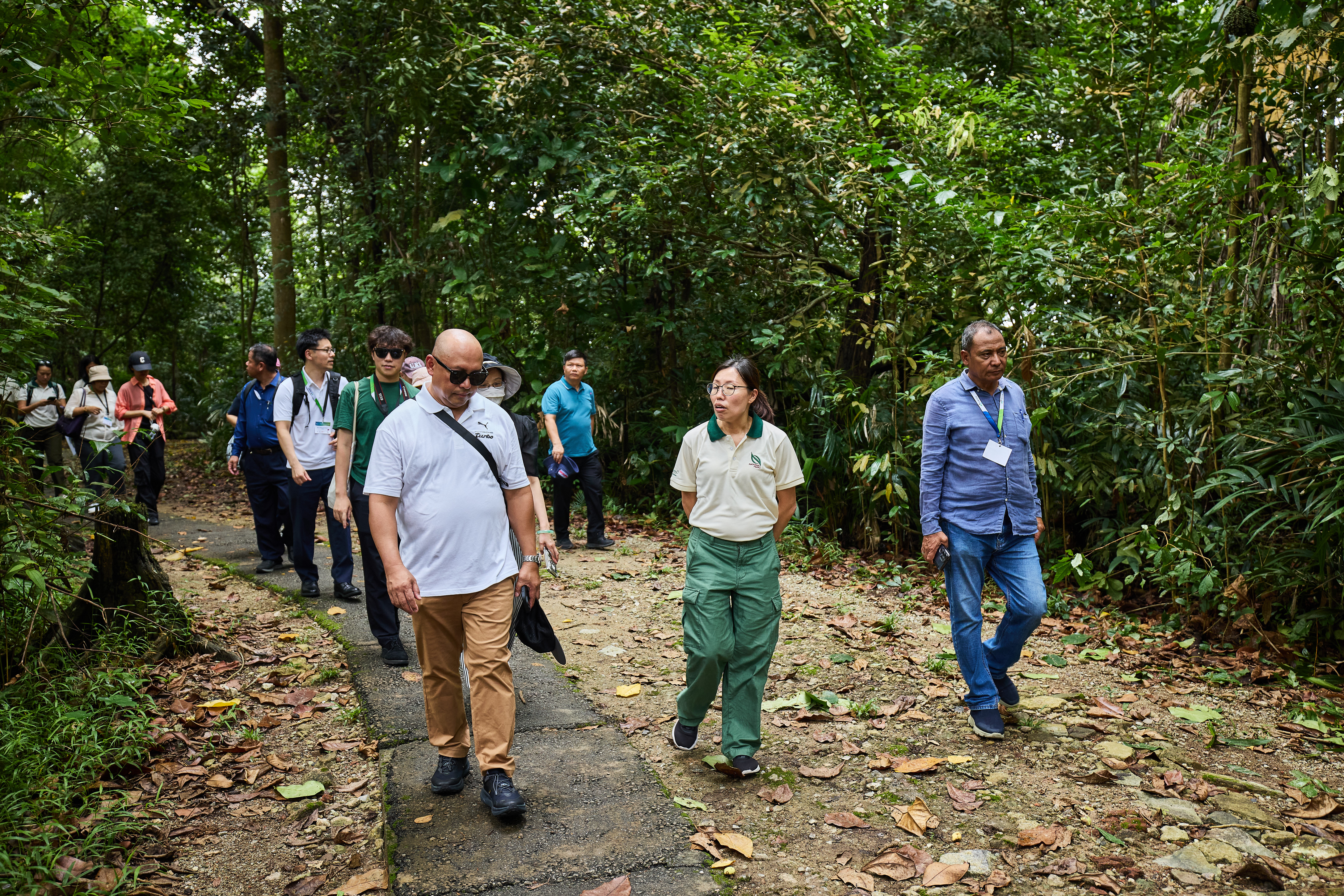
Delegates of the 18th PEMSEA Partnership Council Meeting experienced Singapore's commitment to coastal conservation firsthand during a field visit to the Sungei Buloh Wetland Reserve (SBWR) buffer extension Kranji Coastal Nature Park on 23 July 2026, a fitting conclusion to two days of deliberations on blue carbon, marine protected areas, and nature-based solutions for the East Asian Seas region.
A Living Laboratory for Nature-Based Solutions
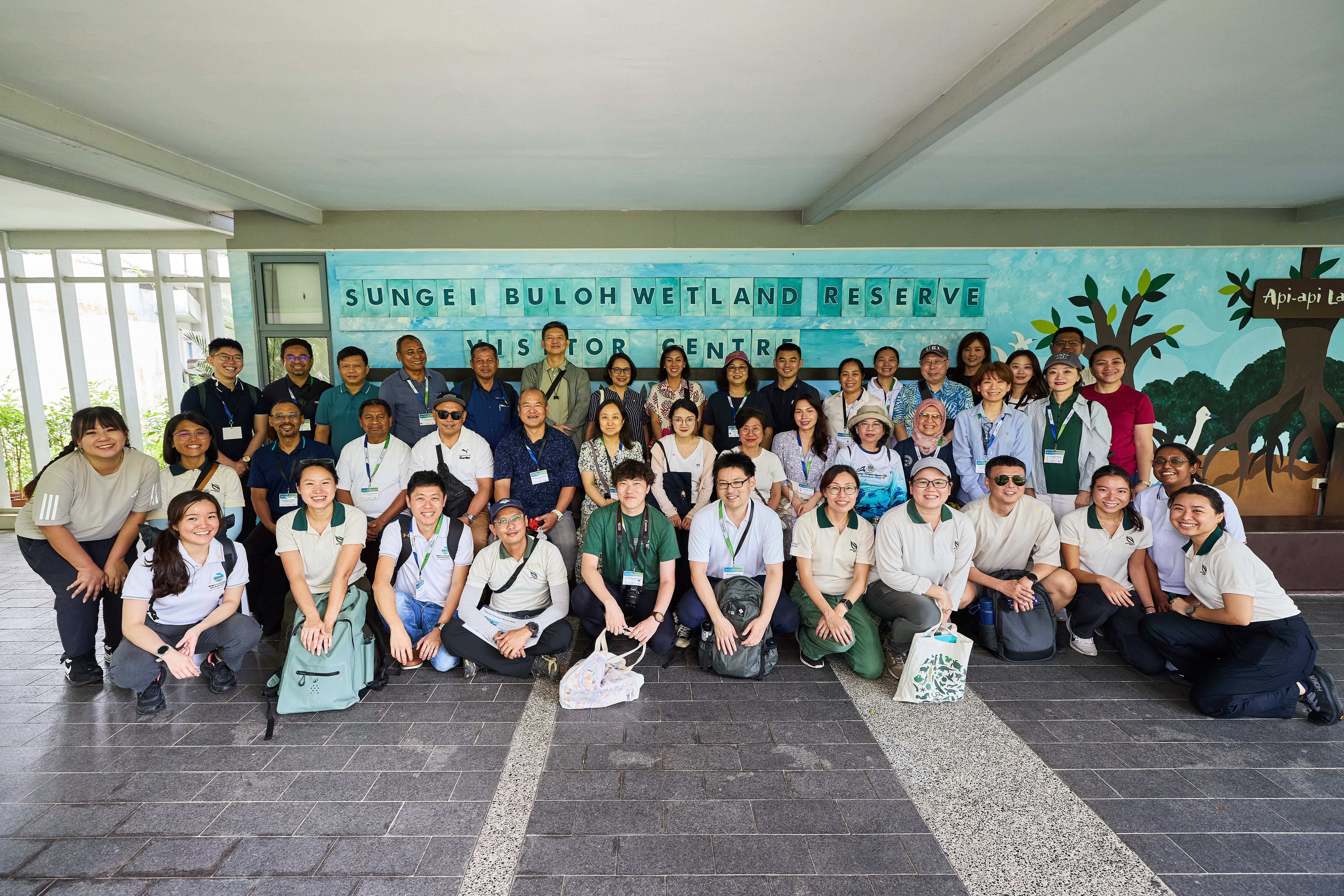
Hosted by the National Parks Board (NParks) of Singapore, the visit brought together Country Partners, Non-Country Partners, and PEMSEA collaborators for an immersive encounter with one of Southeast Asia's most significant coastal wetland ecosystems.
SBWR holds a rare distinction, it is Singapore's first ASEAN Heritage Park and the only legally gazetted nature reserve including coastal wetland habitats. Spanning 130 hectares of mangrove forest, mudflats, and freshwater ponds along Singapore's northwestern coast, the reserve exemplifies what thoughtful, sustained investment in nature-based solutions can deliver for a highly urbanized nation.
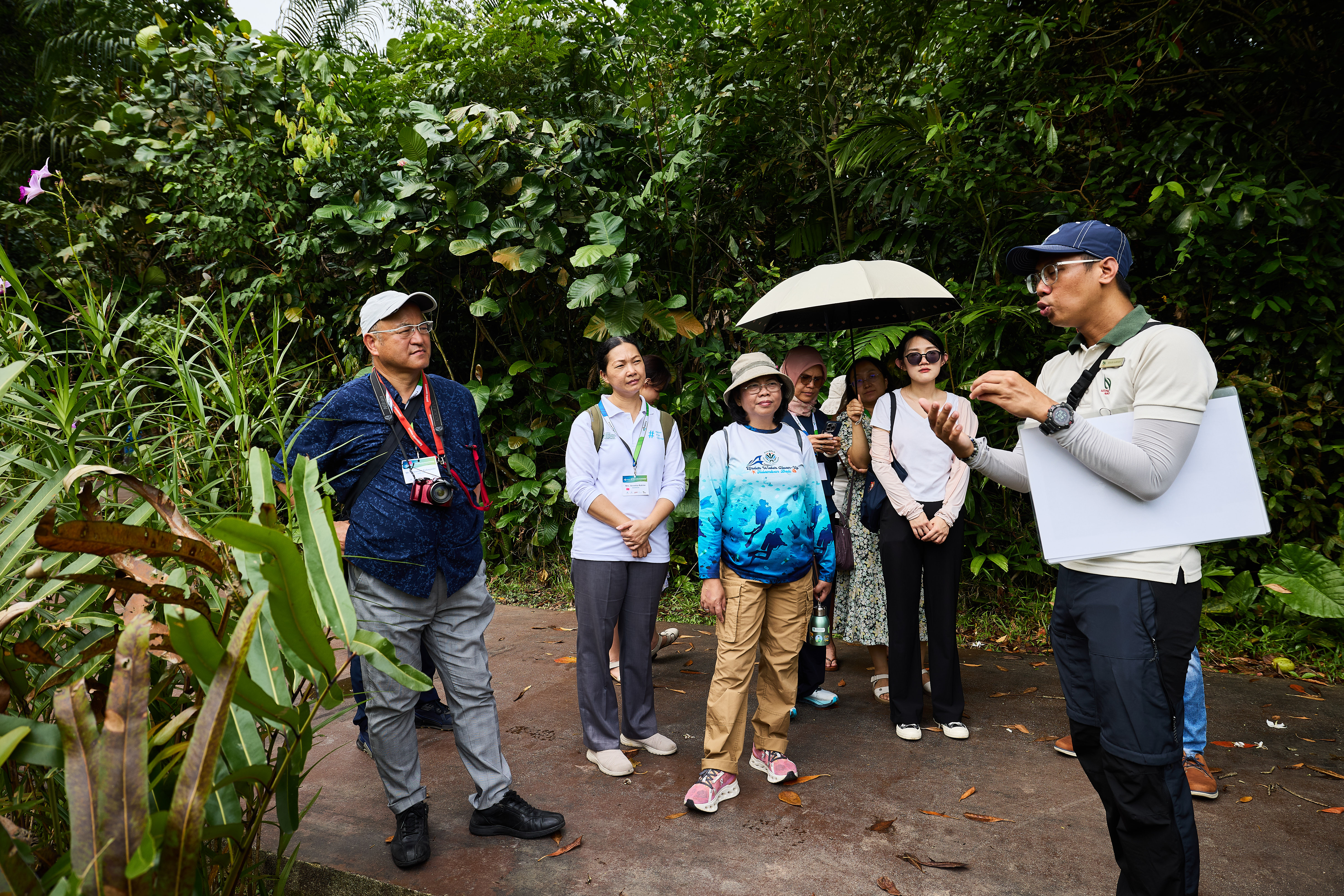
The significance of SBWR extends well beyond Singapore's borders. Recognized as a site of international importance under the East Asian-Australasian Flyway (EAAF) Site Network and the ASEAN Flyway Network, the reserve serves as a critical stopover for migratory waterbirds traveling extraordinary distances, from Siberia, across the South China Sea, and onward to destinations south of the equator.
This transboundary dimension resonated deeply with the delegation. The birds that rest and feed in SBWR's mudflats do not recognize national boundaries, and neither do the threats they face. Habitat loss, pollution, and climate change along any point of the flyway affect the health of the entire migratory corridor. SBWR's protection is a contribution to biodiversity across the East Asian Seas region and beyond.
An Unexpected Welcome and Remarkable Wildlife Encounters
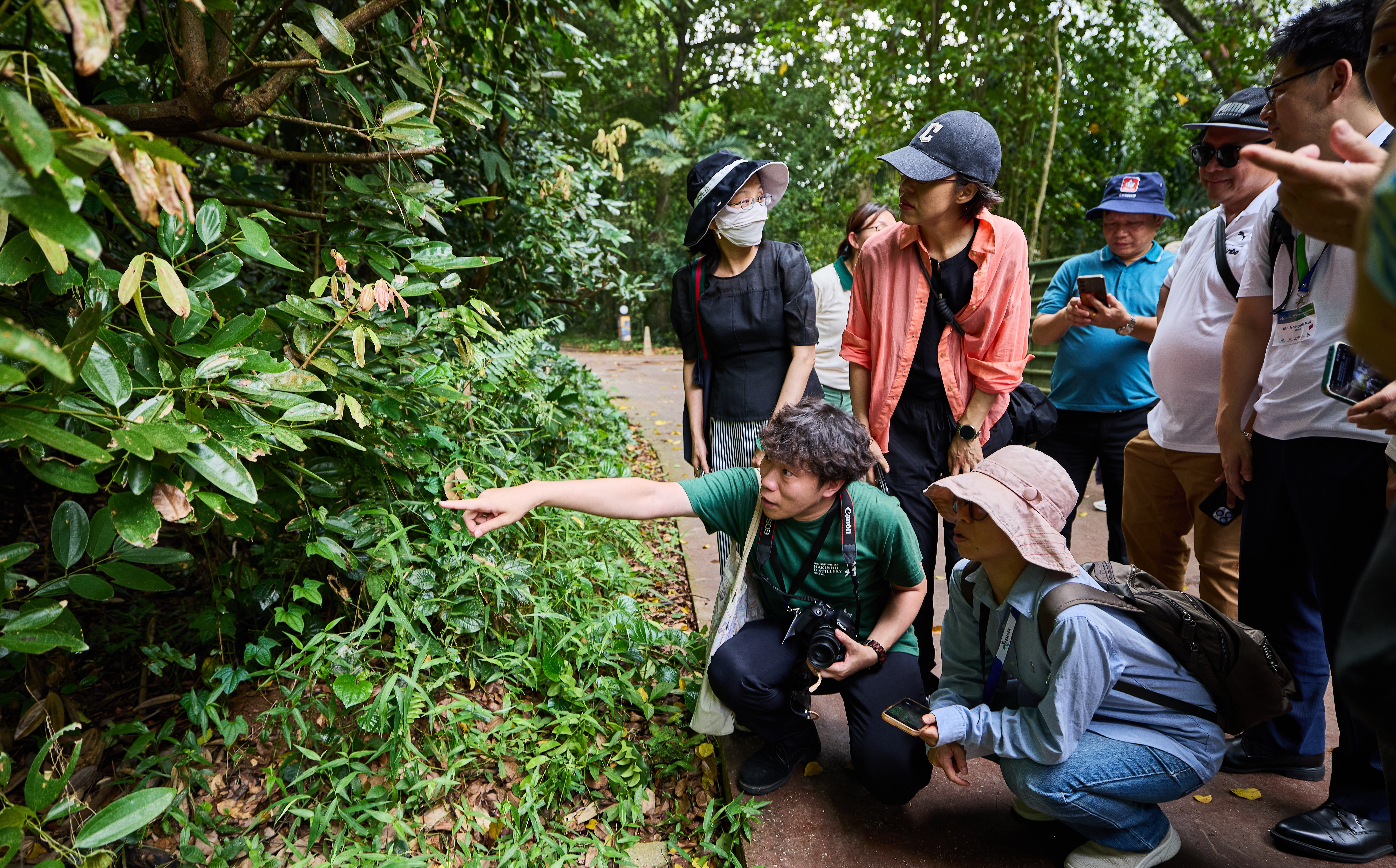 | 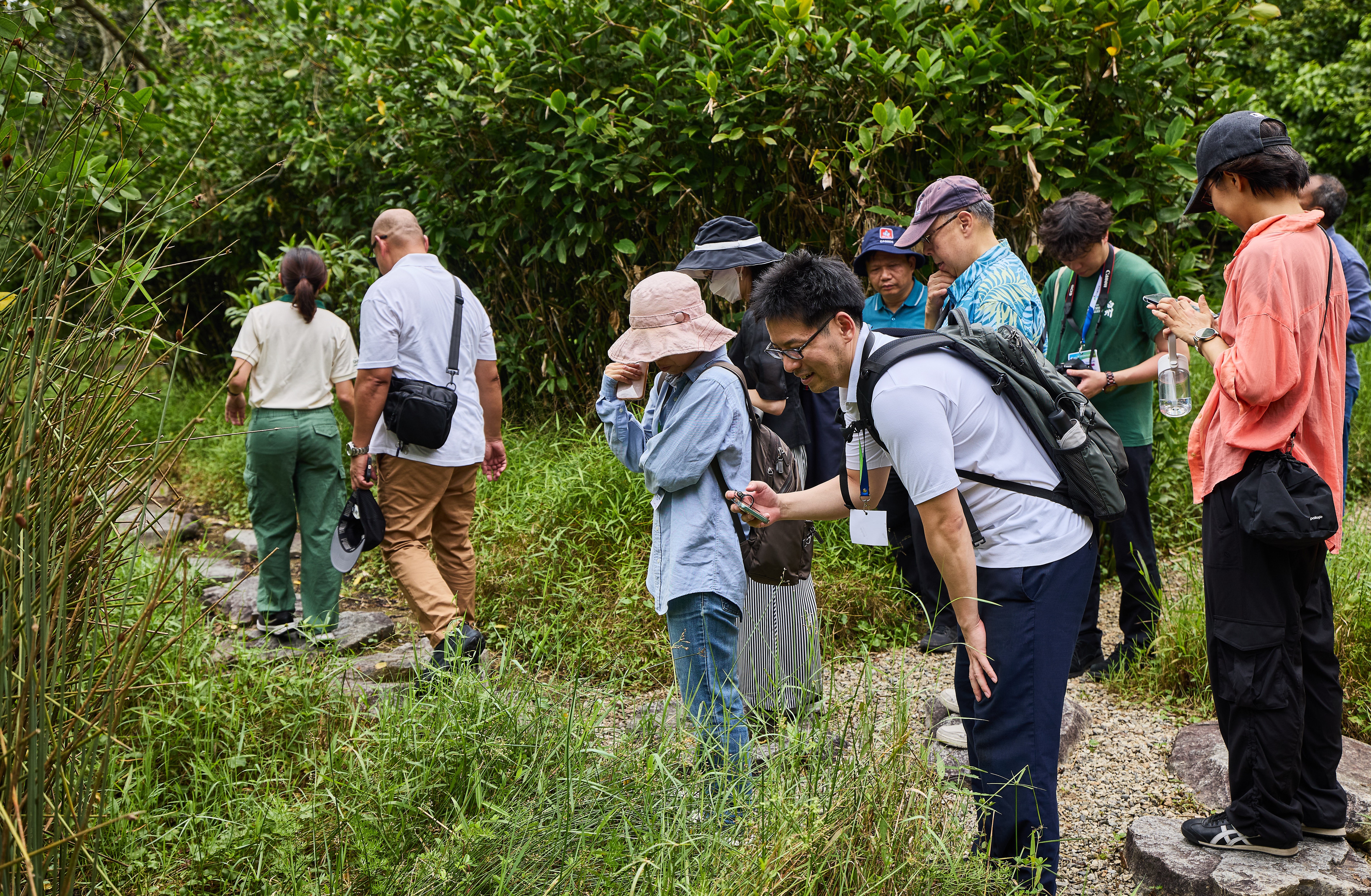 |
Delegates were welcomed to the park almost immediately by one of its most iconic residents — the Malayan Water Monitor (Varanus salvator), the world's second-largest lizard after the Komodo dragon, which made a leisurely crossing beneath a bridge as the group arrived. The sighting set the tone for an afternoon of remarkable wildlife encounters.
Among the species observed during the visit:
- Saltwater Crocodile (Crocodylus porosus) — the world's largest living reptile and apex predator of riparian and coastal ecosystems, surfacing near the mangrove edge on multiple occasions to the delight of the group
- White-bellied Sea Eagle (Icthyophaga leucogaster) — a powerful raptor that hunts fish near water, its broad wingspan a familiar silhouette along the coastlines of the East Asian Seas region
- Collared Kingfisher (Todiramphus chloris) — a strikingly blue and white bird commonly found in mangrove habitats, where it feeds on insects, small fish, and crabs
- Oriental Whip Snake (Ahaetulla prasina) — a slender, bright green mildly venomous tree snake widely distributed across tropical Asia
- Stripe-nosed Halfbeak (Zenarchopterus buffonis) — a surface-dwelling fish characteristic of mangrove creek habitats
- Mangrove Apple (Sonneratia alba ) —mangrove species whose fruits feed fish, birds, and mammals
- Nerite Snail (Nerita sp.)
The biodiversity on display was a vivid reminder of what healthy coastal ecosystems support, and what is at stake across the region when they are degraded.
Kranji Coastal Nature Park: Engineering with Nature
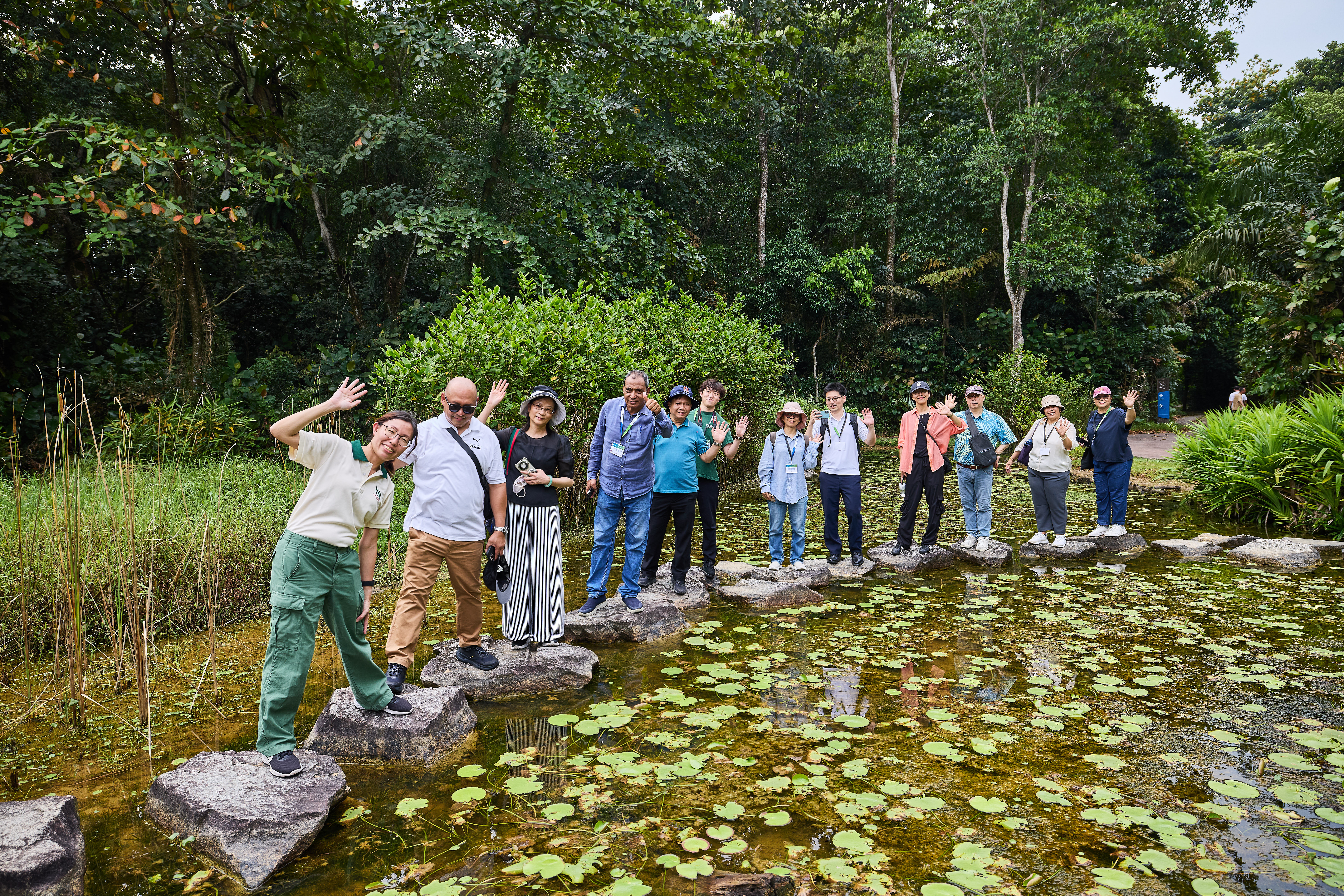
The visit also included a tour of Kranji Coastal Nature Park, located immediately east of SBWR. Here, delegates observed a demonstration site using coastal engineering aligned with nature, a 400-metre low rock revetment constructed along the shoreline to arrest coastal erosion, reduce wave energy, and promote sediment accretion. The design deliberately encourages natural mangrove regeneration, allowing the ecosystem to rebuild itself as the physical conditions stabilize.
For delegates working on integrated coastal management in countries facing similar erosion and sea-level challenges, Kranji Coastal Nature Park offered a transferable model: engineering that works with natural processes rather than against them.
Quality of Life, By Design
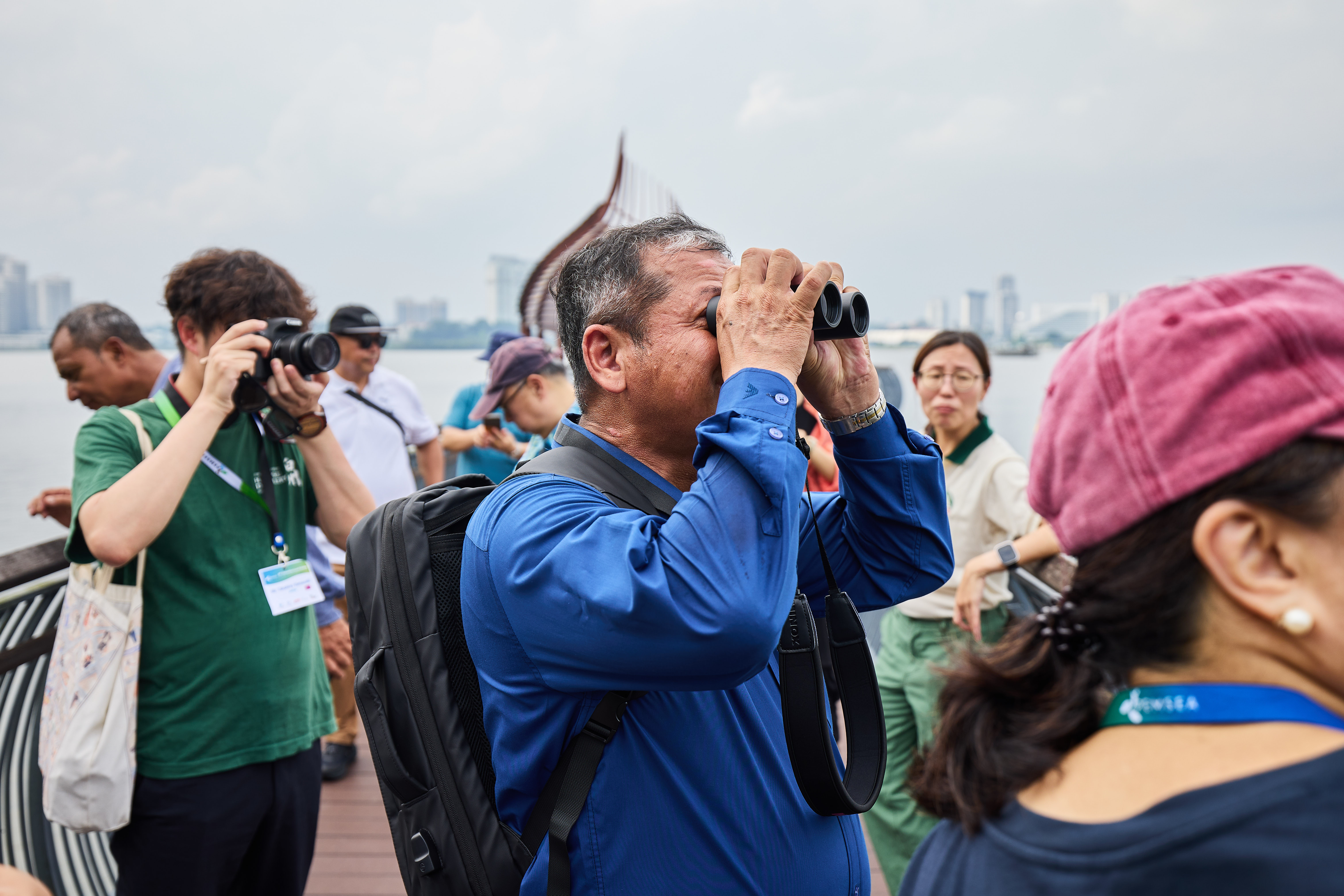
What struck many delegates was not only the ecological richness of SBWR, but the seamless way it is woven into the fabric of Singapore's urban landscape. The reserve sits at the edge of one of the world's most densely populated cities. Yet within it, saltwater crocodiles surface undisturbed, migratory birds from Siberia find rest, and water monitors move unhurried through a landscape that has been protected and nurtured for decades.
Singapore's approach — combining legal protection, sustained public investment, science-based management, and community access — offers useful lessons for coastal cities across the East Asian Seas region. The visit shared how conservation objectives can be integrated into a highly urbanised landscape (surrounded by industrial and agriculture land uses) while supporting biodiversity, recreation and education.
For many delegates, the visit provided an opportunity to observe these approaches firsthand and see how nature-based solutions are applied on the ground. It served as a practical complement to the discussions held during the PEMSEA Council meeting on coastal resilience, biodiversity conservation and sustainable development.
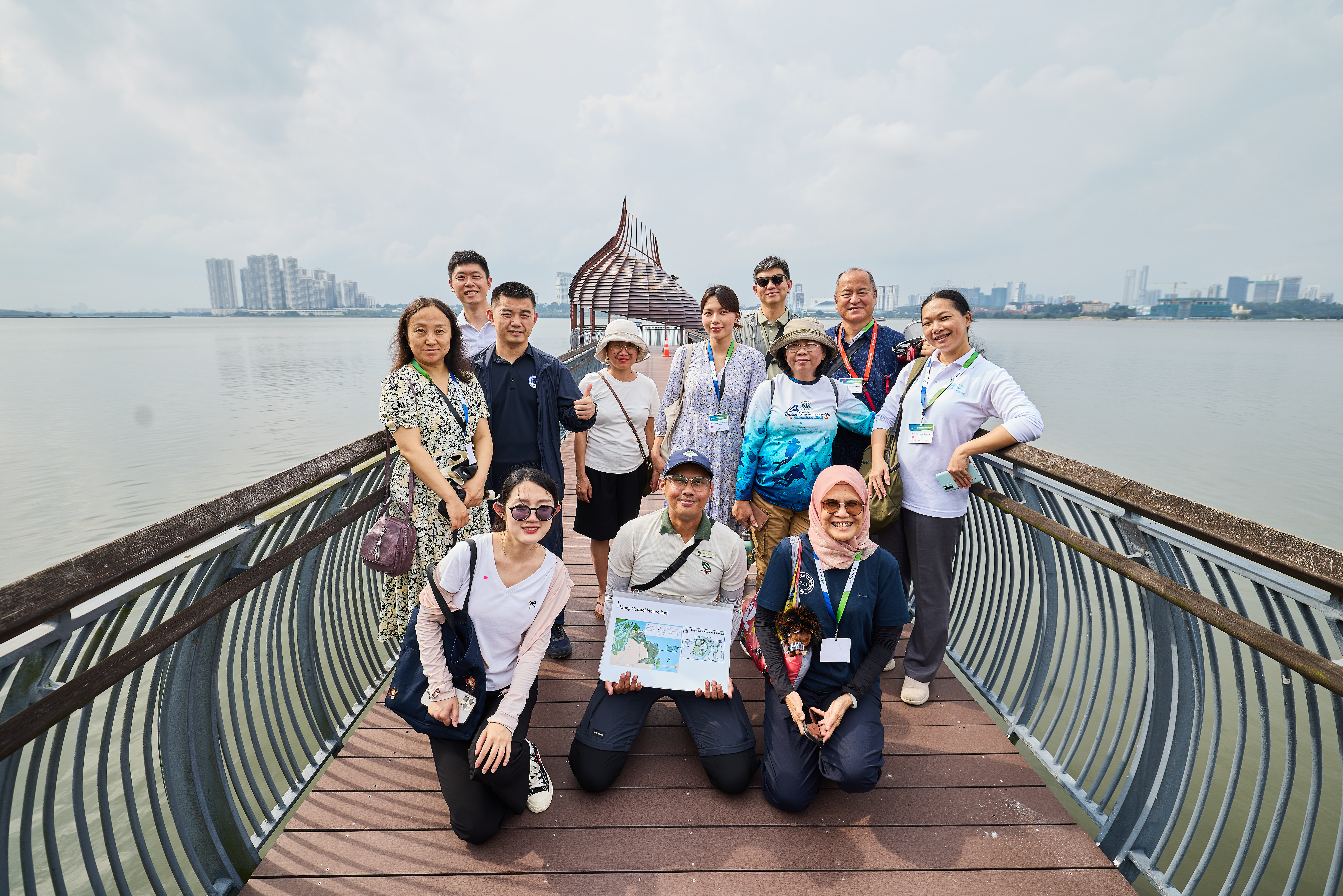
The site visit brought together Country Partners from Cambodia, China, Indonesia, Japan, the Lao People's Democratic Republic, the Philippines, the Republic of Korea, Singapore, Timor-Leste, and Viet Nam, alongside Non-Country Partners representing the Korea Institute of Ocean Science and Technology, the Korea Marine Environment Management Corporation, Oil Spill Response Limited, the United Nations Environment Programme Coordinating Body on the Seas of East Asia, the Ocean Policy Research Institute, the PEMSEA Network of Learning Centers – Center for Coastal and Marine Resources Studies of IPB University, and youth delegate Dr. Kenny Pang.
The 18th EAS Partnership Council Meeting was held on 22–23 July 2026 at the Aloft by Marriott Singapore Novena, co-hosted by the Government of Singapore, particularly the Ministry of Sustainability and the Environment, the Ministry of Foreign Affairs, the Ministry of National Development, the Ministry of Transport, and the National Parks Board. The PEMSEA Resource Facility Secretariat extends its appreciation to the National Parks Board of Singapore for hosting the site visit.
Recent Articles
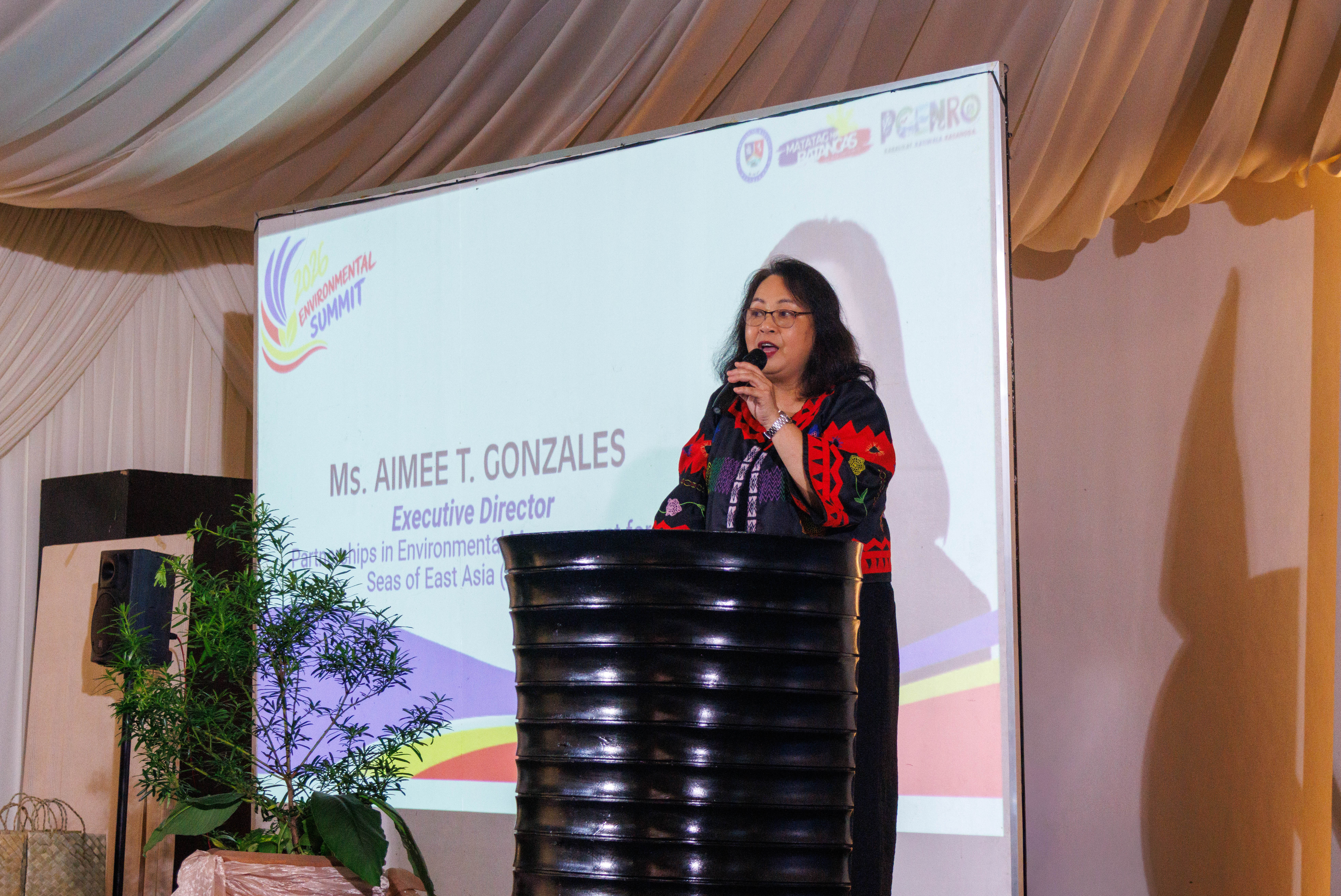
PEMSEA Recognized for Three Decades of Partnership with Batangas Province
Wednesday, 7 October 2026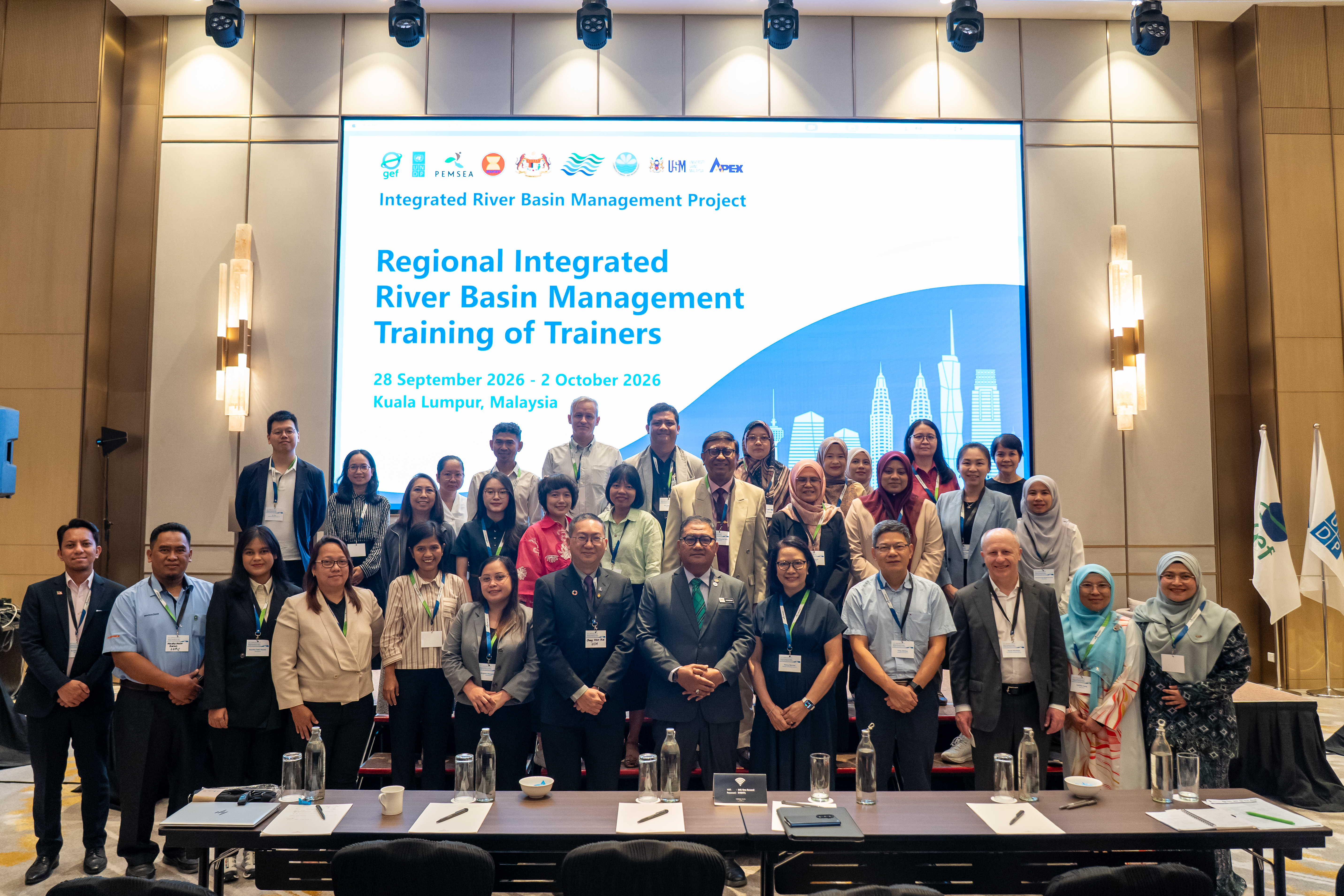
The GEF/UNDP/ASEAN IRBM Project Conducts the Regional Integrated River Basin Management Training of Trainers
Monday, 28 September 2026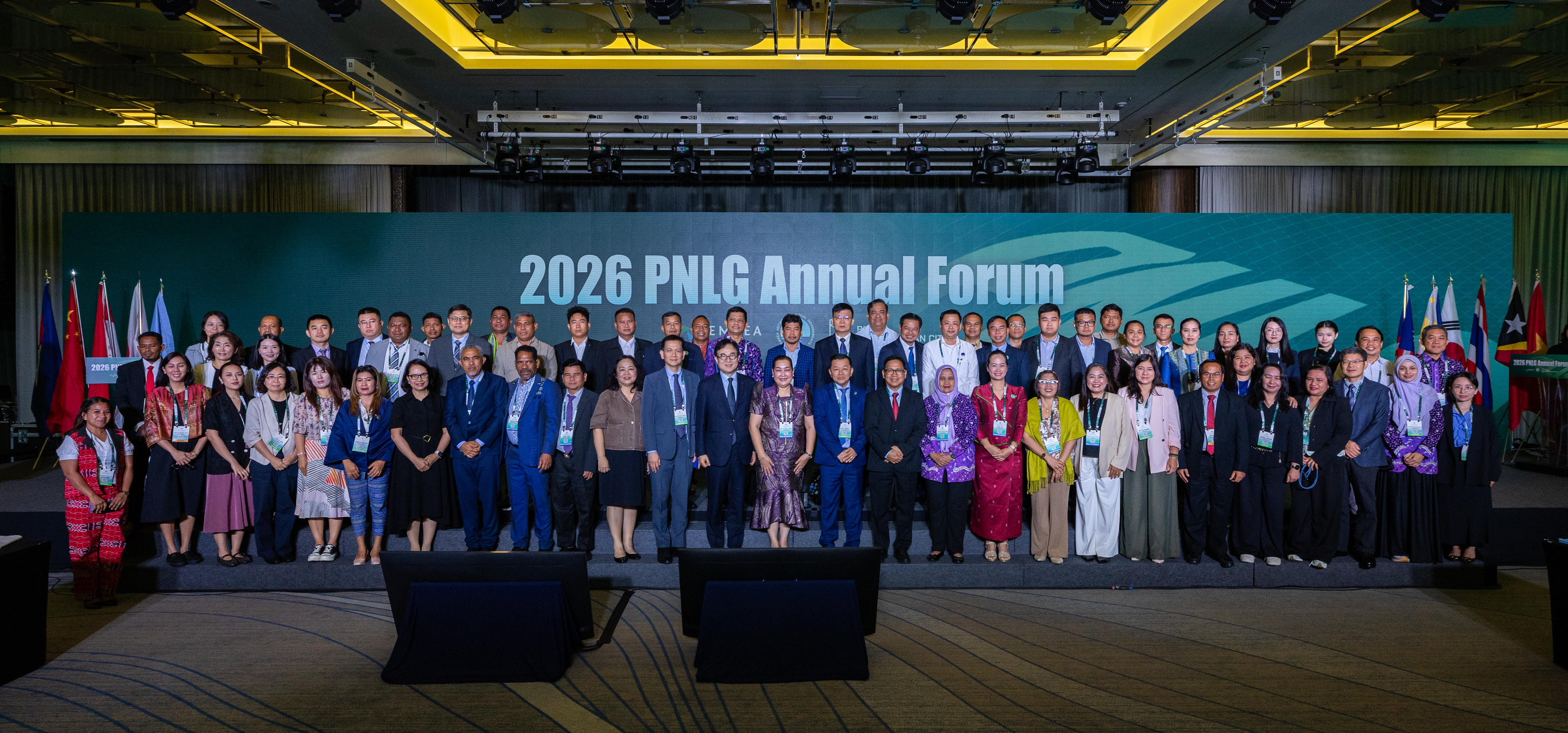
"Let This Forum Not Be Remembered for the Words We Spoke, but for the Actions We Inspire": PNLG President's Closing Message Calls for Action Beyond Busan, Republic of Korea
Monday, 21 September 2026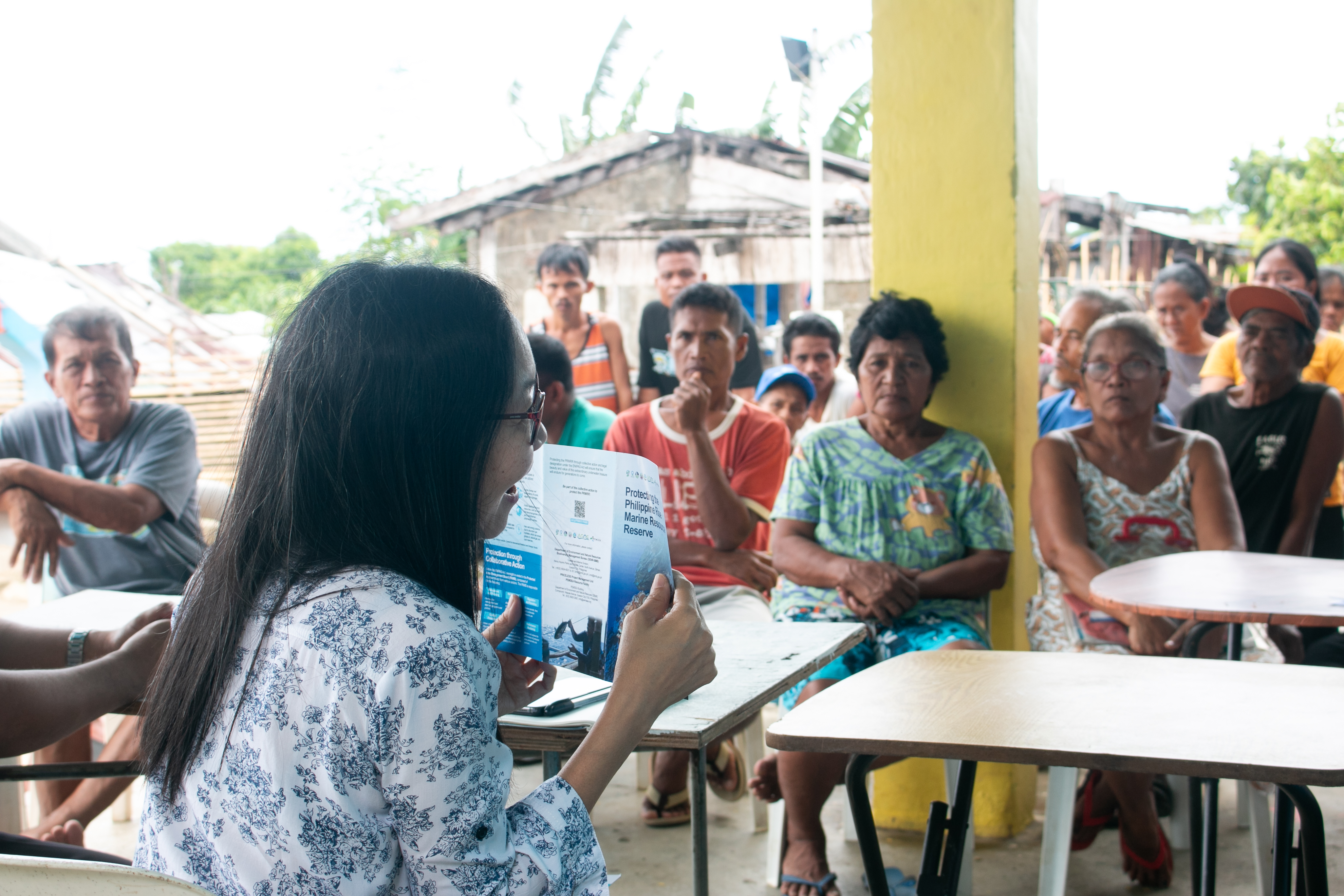
From north to south, local stakeholders convene to protect the Philippine Rise under the PRICELESS Project
Monday, 21 September 2026
PNLG General Assembly Adopts Busan Declaration, Welcomes Atauro Island as New Member
Wednesday, 9 September 2026