Project Information
Duration:
2026 to 2030
Project Executing Entities:
Conservation International Global Environment Facility (CI-GEF)Implementing Agency
Department of Environment and Natural Resources Biodiversity Management Bureau (DENR-BMB) Executing Agency
Partnerships in Environmental Management for the Seas of East Asia (PEMSEA) Resource Facility Executing Agency Support Partner
GEF Grantn:
USD 3,662,844
The Philippine Rise Marine Resource Reserve (PRMRR) is a globally significant marine biodiversity hotspot located on the northeastern coast of Luzon. Brimming with rich marine biodiversity and natural resources, this marine treasure supports the food and livelihood of its surrounding coastal communities.
Despite its designation as marine resource reserve, the PRMRR faces increasing threats from unsustainable and anthropogenic pressures, including illegal exploitation of marine resources, habitat degradation, climate change, and increasing economic and extractive activities.
In response to these growing challenges, the Philippine Rise Integrated Conservation for Enduring Legacies through Ecosystem Support Services (PRICELESS) was initiated to protect the biodiversity of the PRMRR, while facilitating the sustainable use of its marine resources and generating livelihood benefits for adjacent communities.
Project Goal
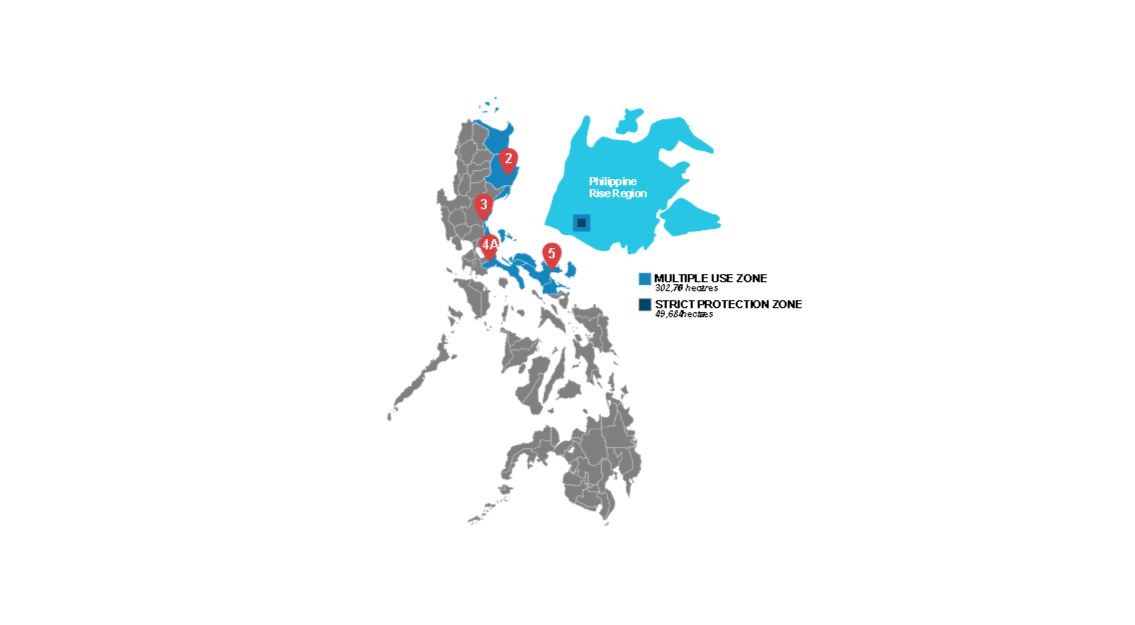
By 2030, the Philippine Rise Marine Resource Reserve of 352,390 hectares, consisting of a 49,684 hectares Strict Protection Zone and a 302,706 hectares Multiple Use Zone, is conserved and better managed, protecting globally significant biodiversity while facilitating the sustainable use of its marine resources and generating livelihood benefits for adjacent communities.
Project Components
Improved management of PRMRR, meeting ENIPAS requirements
Improved protection of the PRMRR Strict Protection Zone (SPZ)
Sustainable resource use and livelihoods within PRMRR Multiple Use Zone (MUZ)
Monitoring and evaluation
Project Sites
The PRICELESS Project will benefit:
- 4 regions (Regions 2, 3, 4A, and 5)
- 8 provinces (Cagayan, Isabela, Aurora, Quezon, Camarines Norte, Camarines Sur, Albay, Catanduanes)
- 5,000 people who depend directly on fishing in the Philippine Rise
Brochures
Download PRMRR Brochure here.
Download PRICELESS Brochure here.
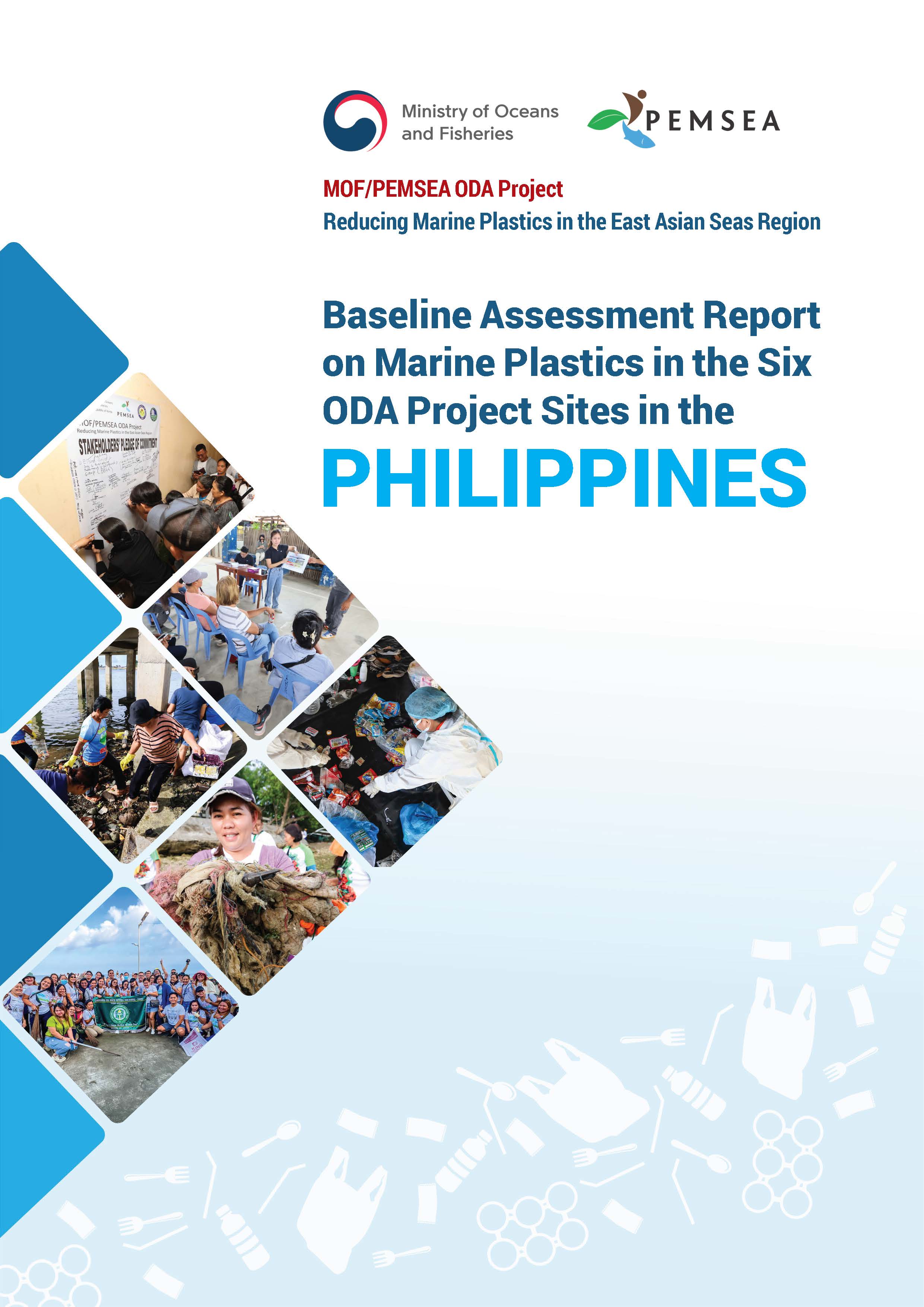
Baseline Assessment Report on Marine Plastics in the Six ODA Project Sites in the Philippines
This Baseline Assessment Report of MOF/PEMSEA ODA project on the Reducing Marine Plastics in East Asian Seas Region includes both the Plastic Analysis and Characterization Study (PACS) and a Knowledge, Attitude, and Practice (KAP) Survey, specifically targeting key coastal areas in six Philippine sites: the municipalities of Bulan and Daanbantayan, and the cities of Calbayog, Dipolog, Puerto Princesa, and Tandag. These assessments aim to uncover the specific dynamics of plastic waste generation and local community behaviors toward waste management, supporting the development of data-driven interventions to address marine plastic pollution effectively.
The findings of the synthesized national baseline assessment provide valuable insights that can assist local government units, national government agencies, and relevant stakeholders in developing targeted policies and interventions. These strategies are aimed at improving solid waste management practices and reducing marine plastic pollution in coastal cities and municipalities.
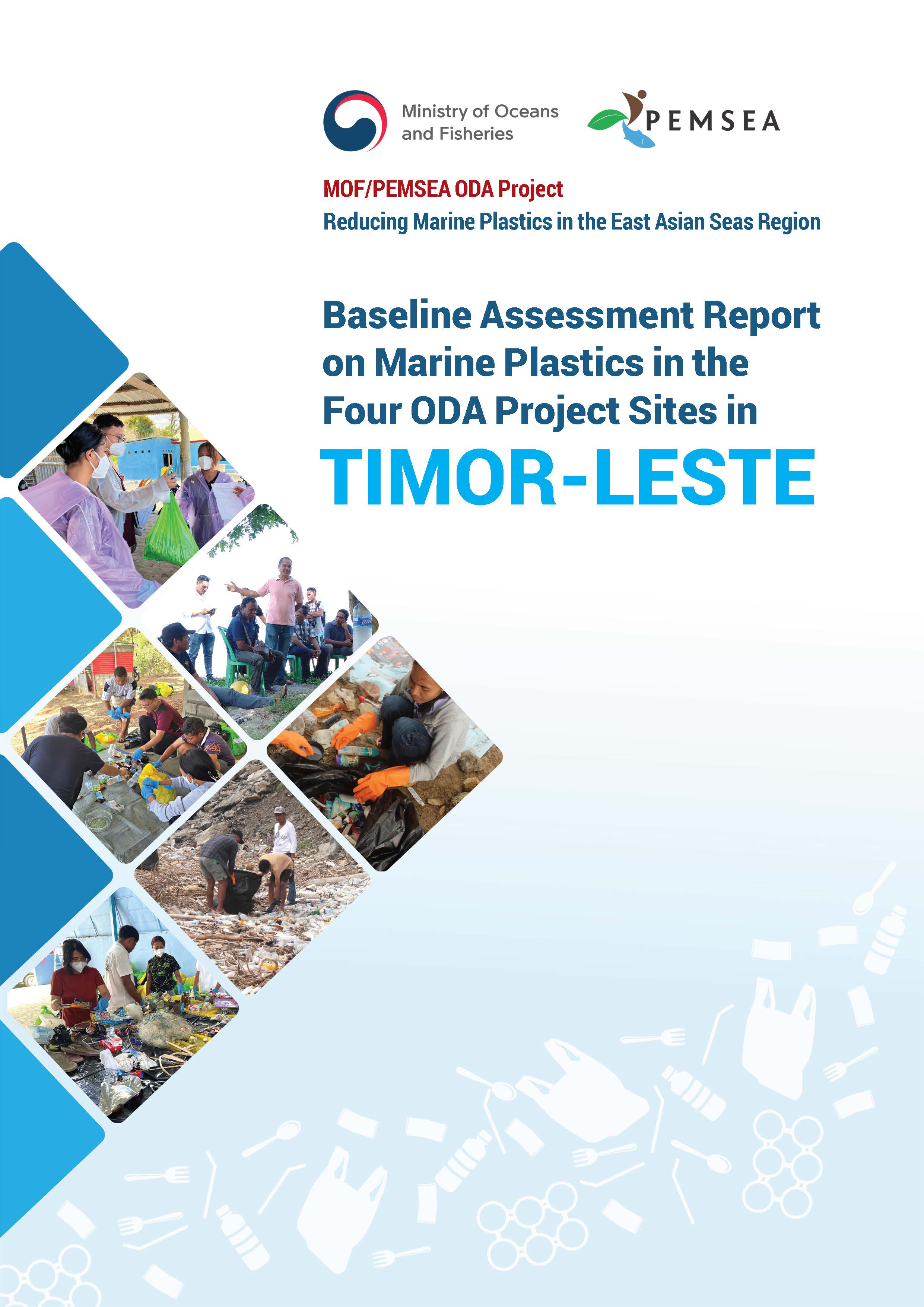
Baseline Assessment Report on Marine Plastics in the Four ODA Project Sites in the Timor-Leste
This Baseline Assessment Report of MOF/PEMSEA ODA project on the Reducing Marine Plastics in East Asian Seas Region includes both the Plastic Analysis and Characterization Study (PACS) and a Knowledge, Attitude, and Practice (KAP) Survey, specifically focusing on key coastal areas in four municipalities in Timor-Leste – Atauro, Dili, Liquiçá, and Manatuto. These components are designed to understand the specific dynamics of plastic waste generation and local community behaviors towards waste management as basis of project decisions and 10-year marine plastic management strategies and action plans, which will be developed, adopted, and implemented by local governments and stakeholders.
The findings of the synthesized national baseline assessment provide valuable insights that can assist local authorities, national government agencies, and relevant stakeholders in developing targeted policies and interventions. These strategies are aimed at improving solid waste management practices and reducing marine plastic pollution in coastal municipalities.
Regional Baseline Assessment on Marine Plastics in the East Asian Seas Region (Philippines and Timor-Leste)
As part of Component 1 of the MOF/PEMSEA ODA project on the Reducing Marine Plastics in East Asian Seas Region, a Plastic Analysis and Characterization Study (PACS) was conducted to provide essential data to guide project decisions and establish 10-year marine plastic management strategies and action plans, which will be developed, adopted, and implemented by local governments and stakeholders. This regional baseline assessment on marine plastics includes the conduct of PACS and Knowledge, Attitude, and Practice (KAP) Survey, specifically focusing on key coastal areas in the six cities and municipalities in the Philippines: Bulan, Calbayog, Daanbantayan, Dipolog, Puerto Princesa, and Tandag; and four municipalities in Timor-Leste: Atauro, Dili, Liquiçá, and Manatuto. These components are designed to understand the specific dynamics of plastic waste generation and local community behaviors towards waste management.
The regional synthesis identified persistent challenges across the plastic waste value chain, including high plastic waste generation, weak segregation, limited collection coverage, low recovery performance, inadequate disposal systems, and continued plastic leakage. Addressing these issues requires targeted interventions across all stages of the solid waste management system. Key recommendations focus on reducing single-use plastics through local policy and behavior change, improving segregation by providing bins and strengthening implementation, and expanding collection through additional vehicles and better route planning. Recovery must be enhanced by upgrading facilities and linking communities to recycling markets, while safe disposal options should be developed or improved to reduce open dumping and burning.