
Timor-Leste Gears Up for Pilot Project Implementation under MOF/PEMSEA Marine Plastics ODA Project
Friday, 31 July 2026
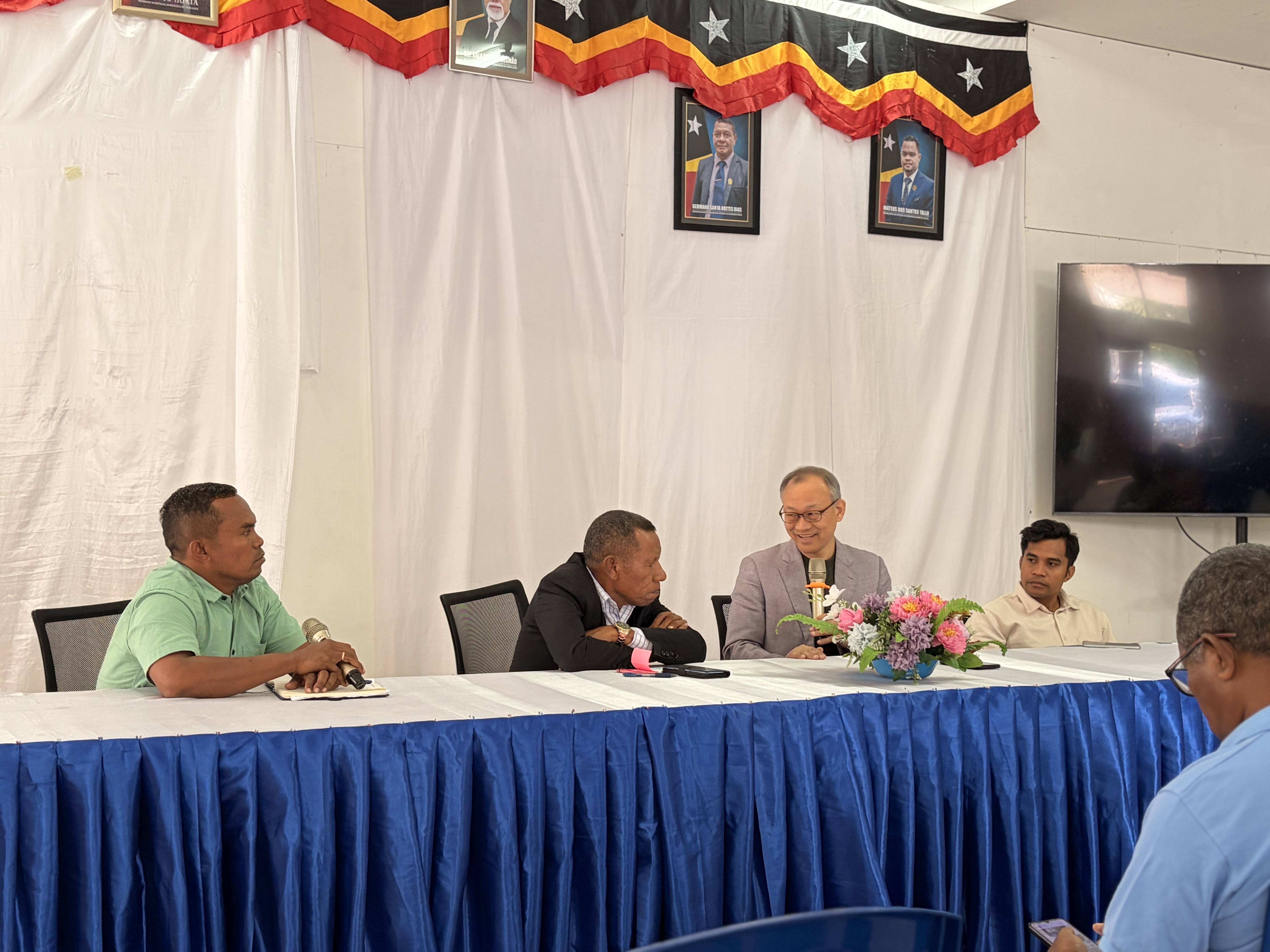
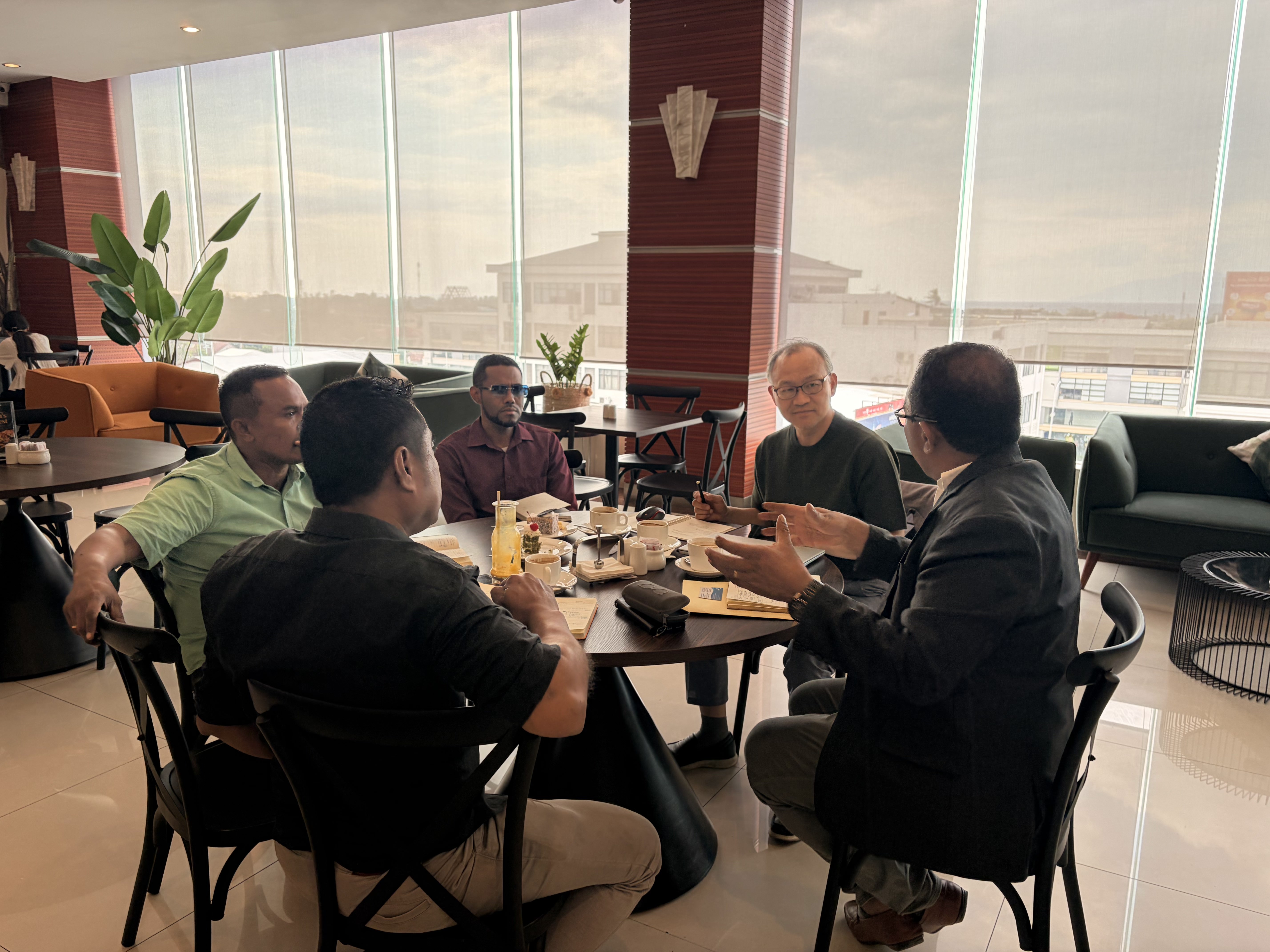
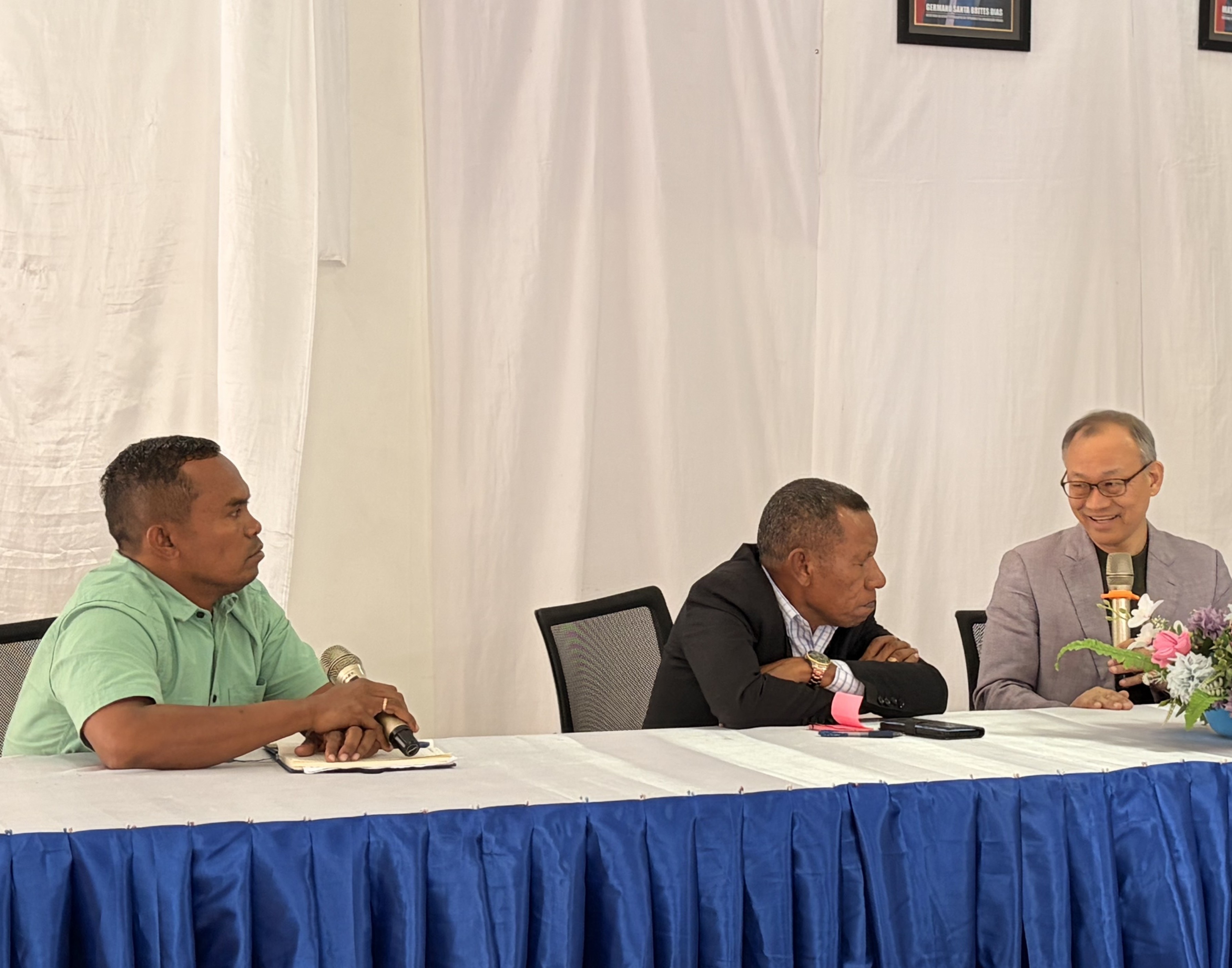
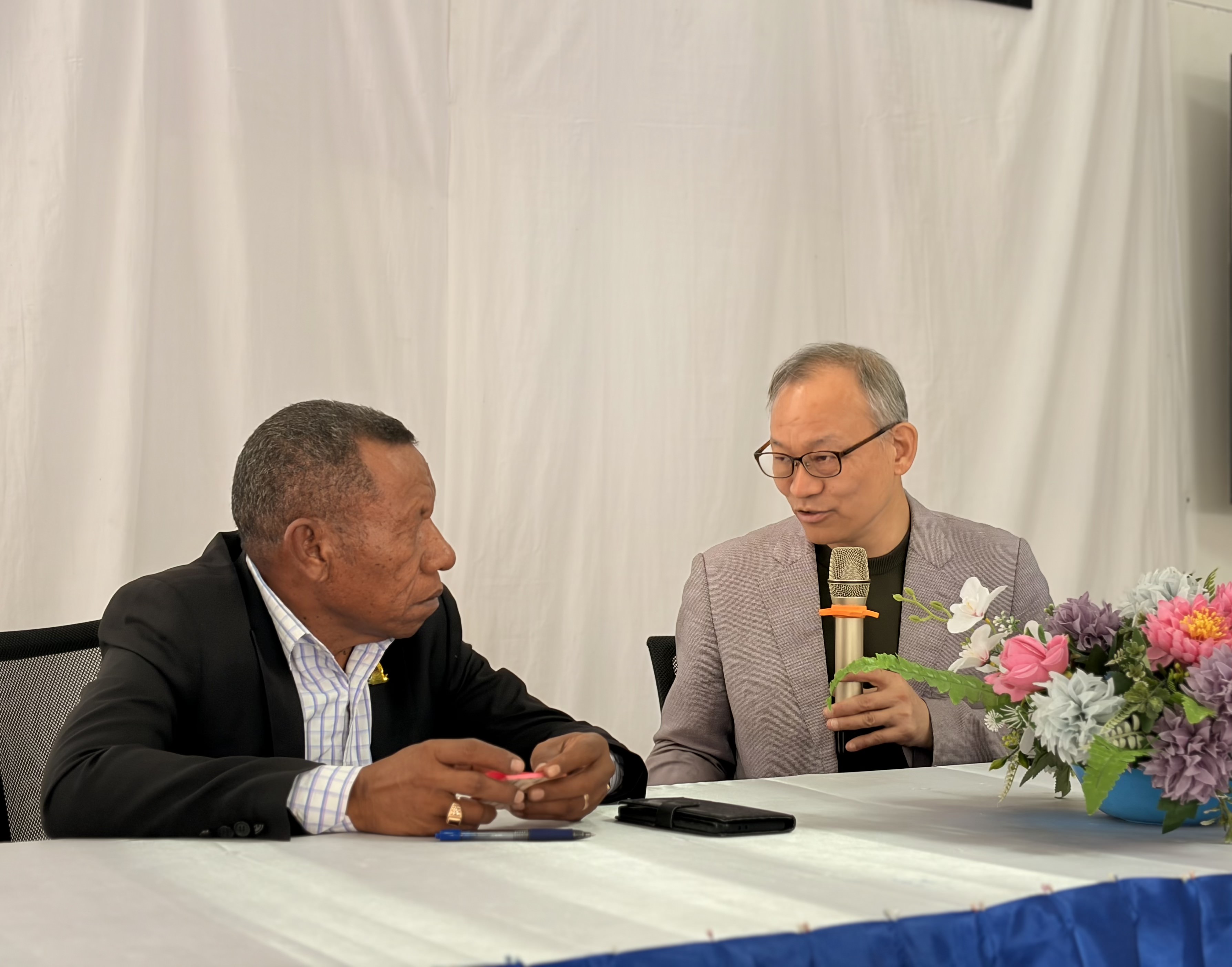
The MOF/PEMSEA Reducing Marine Plastics in the East Asian Seas Region is gearing preparations for the rollout of its pilot projects in Timor-Leste following a series of consultation meetings held from 21–24 July 2026 with government officials from municipalities of Liquiçá, Dili, Manatuto, and Atauro.
Led by Regional Project Manager Dr. Won-Tae Shin, together with the national consultant Mr. Roni Pati Tpoi, National Project Coordinator Mr. Timotio Alves, and National Technical Advisor Mr. Antonio Carvalho, the consultations brought together municipal leaders, national government agencies, local communities, civil society organizations, youth representatives, and village (suco) leaders to refine pilot project designs and identify the most appropriate support for each municipality.
Innovative Solutions for Four Municipalities
The consultations focused on designing pilot project concepts and identifying investments that respond to the specific waste management needs of each municipality. The ODA Project is focusing on preventing plastic leakage to marine environment through improving segregation, collection and recycling of plastic wastes in the four municipalities of Timor-Leste.
In Dili, the proposed support for Dili includes the procurement of machinery for recycled plastic panel making and bin production to process plastics. As collection, segregation and transport of Dili wastes are being conducted by a Tibar Landfill Management Company, the project will work closely with Dili municipality and Tibar Landfill Management Company. Tibar Landfill Management Company is now providing segregation bins to households and promoting segregation at source.
The Project will also engage the Marine Environment Protector (MEP) partner Fundasaun Finartil to conduct environmental education, training, and community awareness activities on plastics and waste segregation.
 |  |
In Liquica, Manatuto and Atauro municipalities, the pilot projects seek to address persistent solid waste management challenges in the municipalities, where limited collection services have led many communities to rely on burning, burying, and other improper waste disposal practices. Most sucos remain outside the municipalities’ regular waste collection coverage, leaving residents with few alternatives for managing household waste.
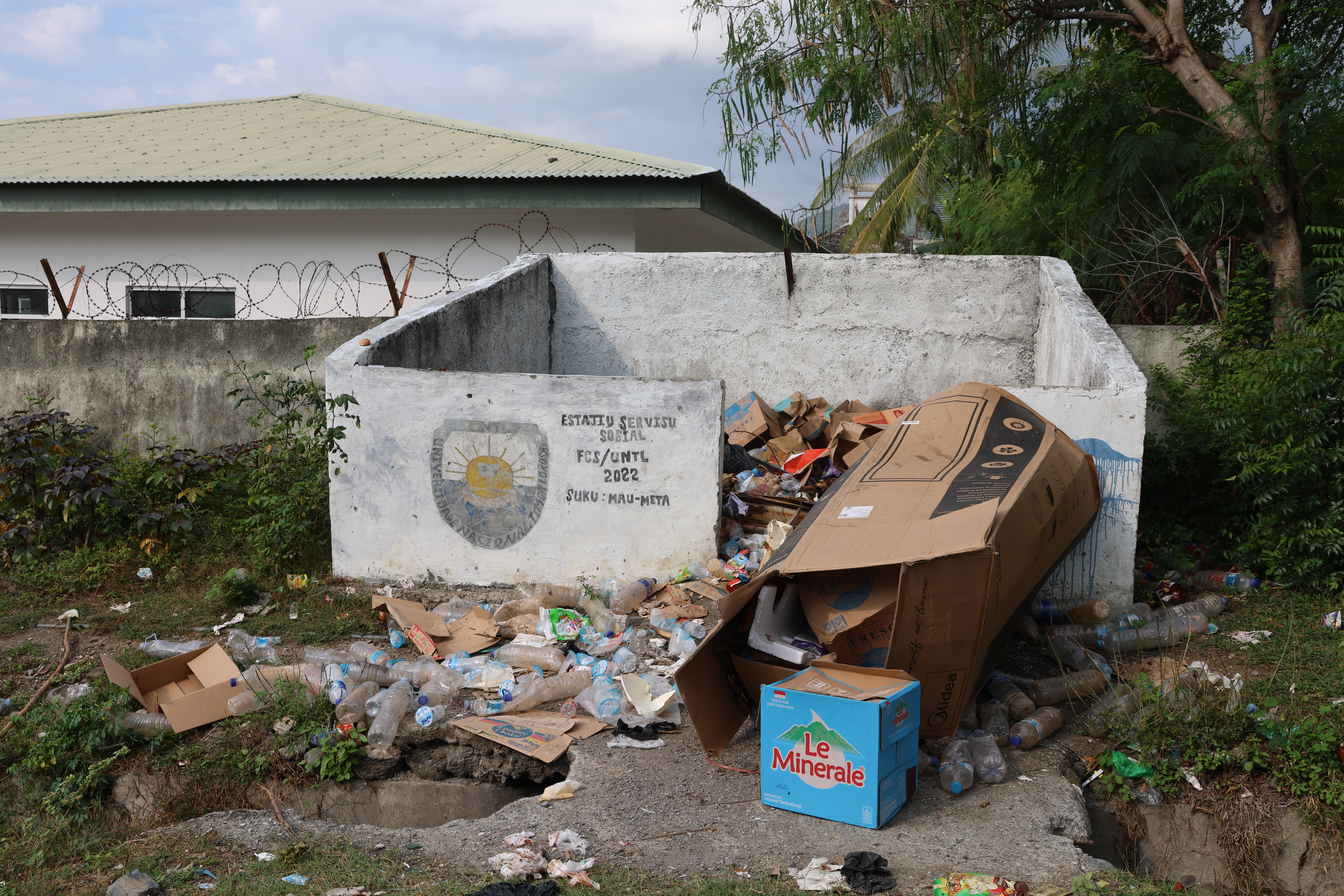
The municipality currently operates only few waste collection vehicles, resulting in infrequent collection services that further contribute to waste accumulation. Waste is also disposed of at the local bak sampah, a small concrete enclosure site located along the highway, which lacks basic environmental safeguards.
As an uncontrolled temporary dumping area, it poses a significant risk of plastic leakage into surrounding waterways and the marine environment. To reduce the growing volume of waste, open burning has become a common practice, exacerbating environmental and public health concerns.
The pilot projects include construction of a MRF for sorting and storage of recyclable wastes including plastic wastes, and provision of two collection trucks. Also, the project will provide trash bins made from recycled plastic boards in order to enhance segregation at the household level.
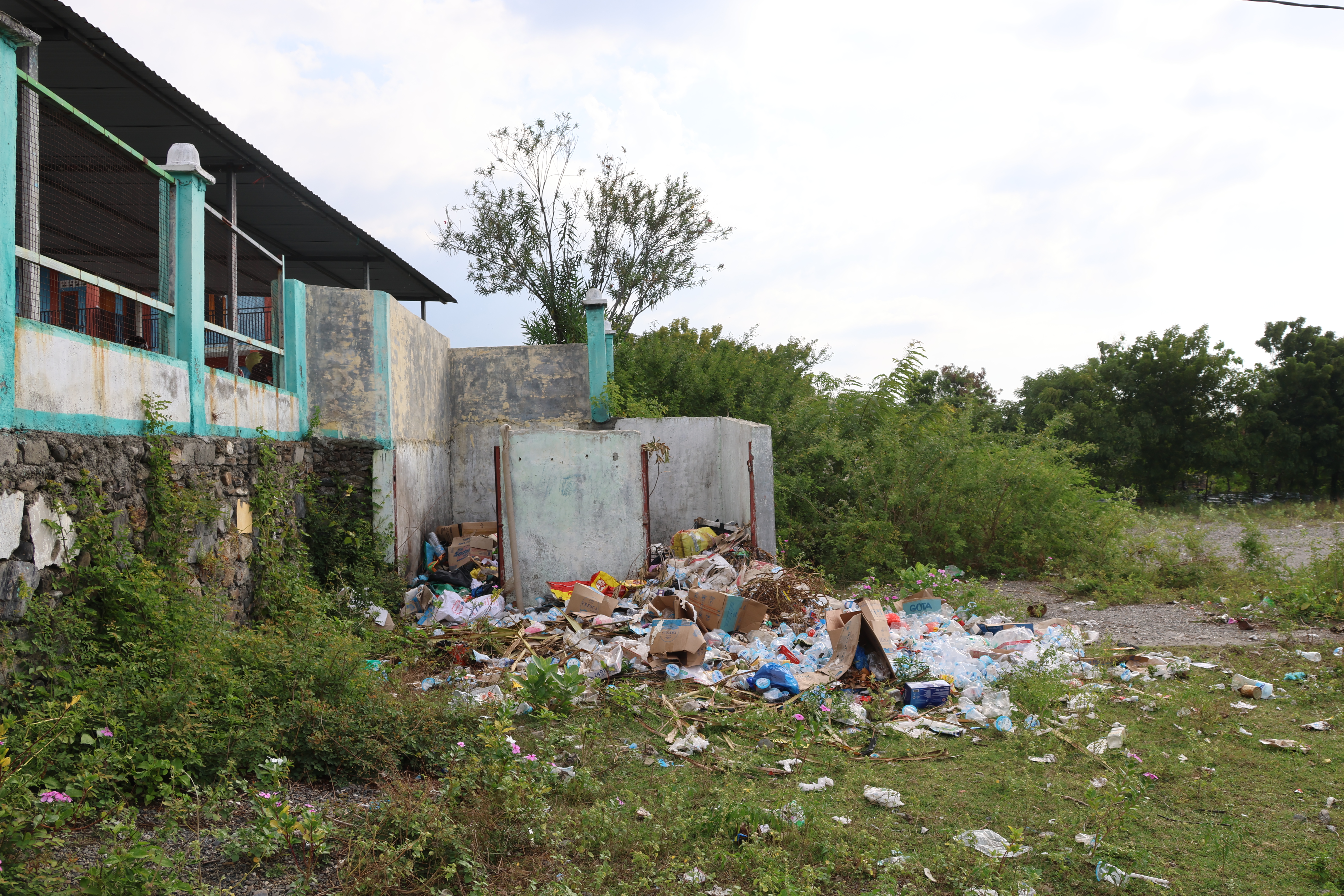 | 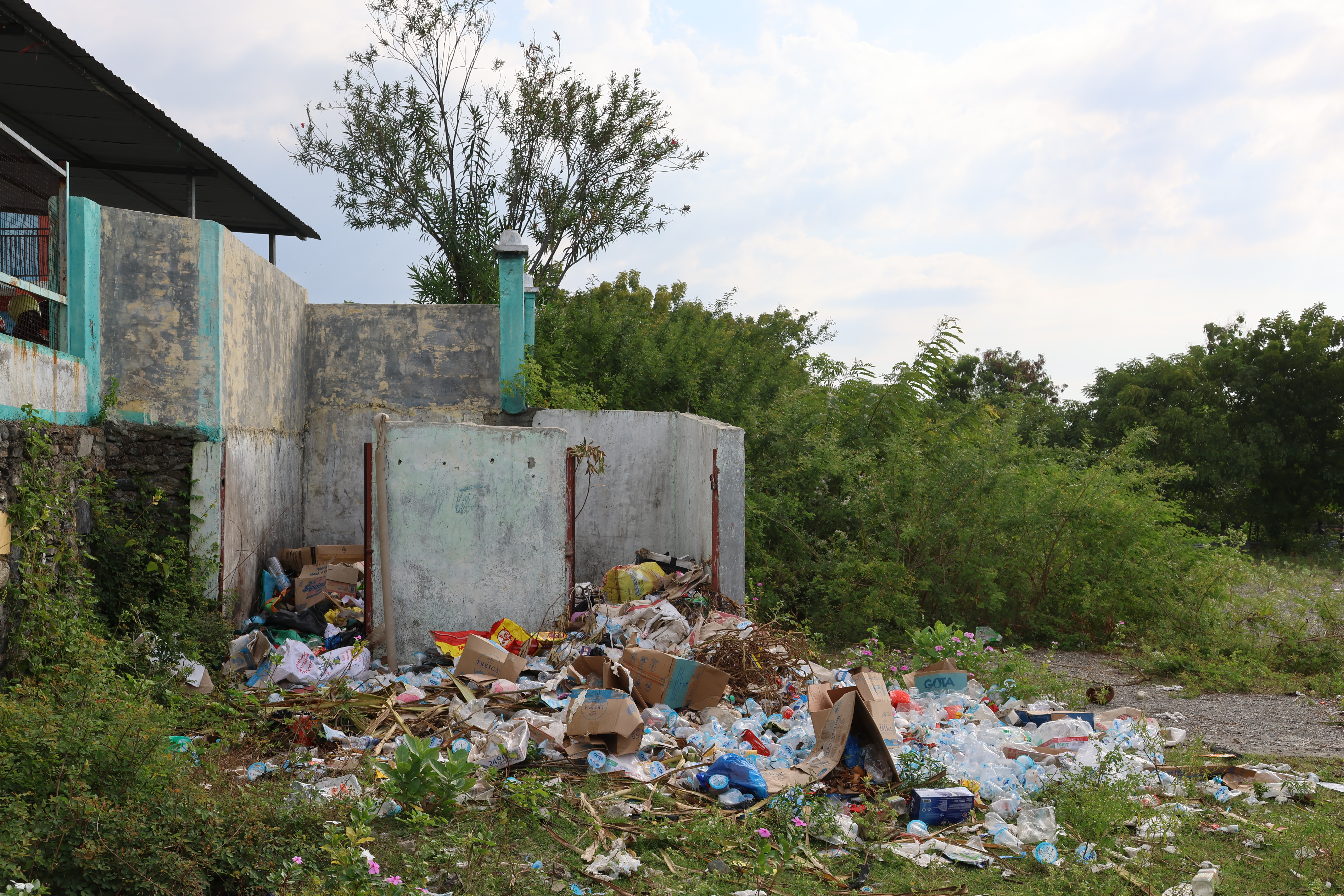 |
A Bak Sampah in Suco Maumeta, Liquiçá Municipality, serves as a community waste collection point. Distributed across different sucos, these collection areas provide temporary waste storage prior to transport; however, inadequate containment and collection can result in waste leakage and environmental pollution.
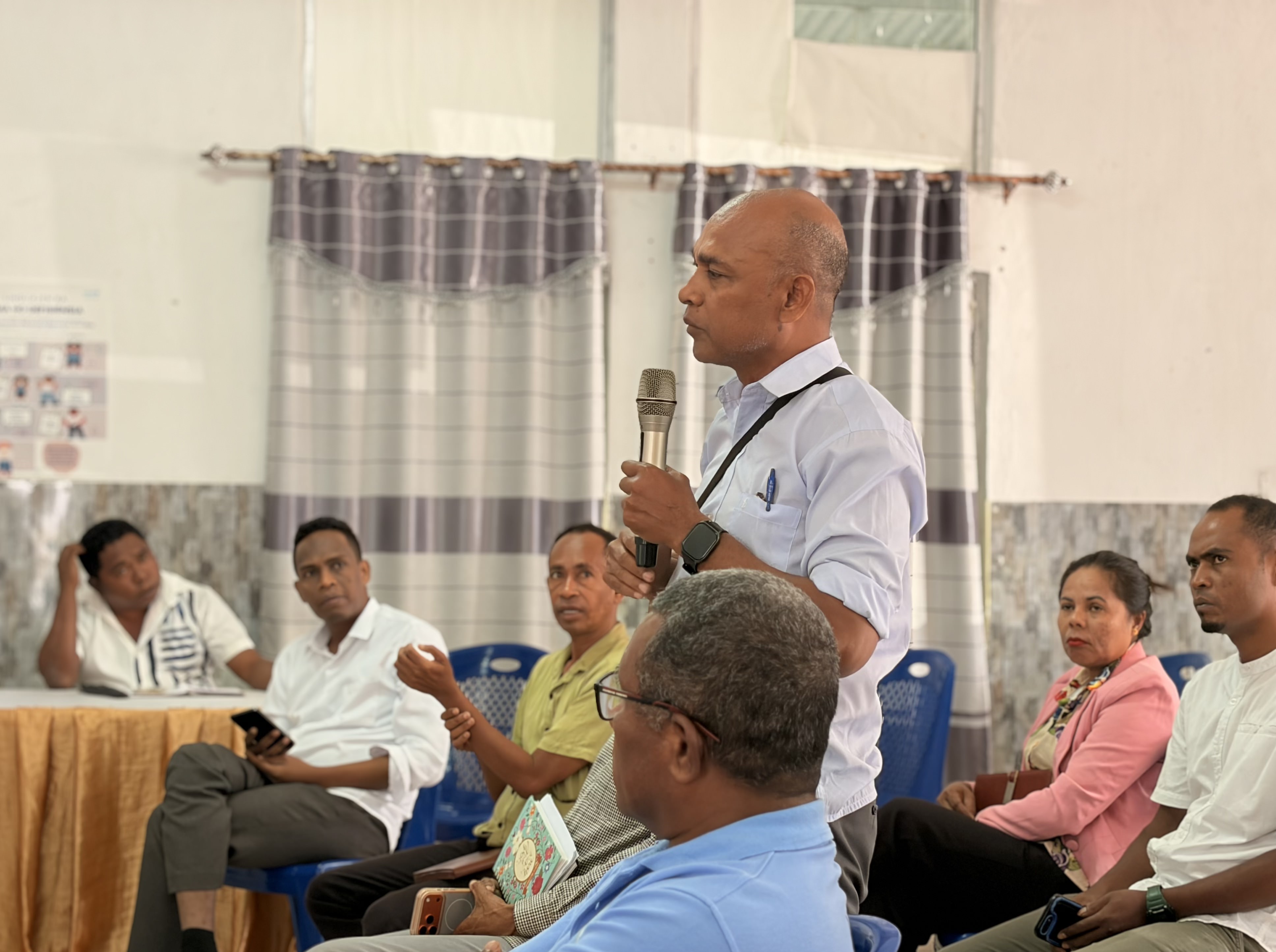 | 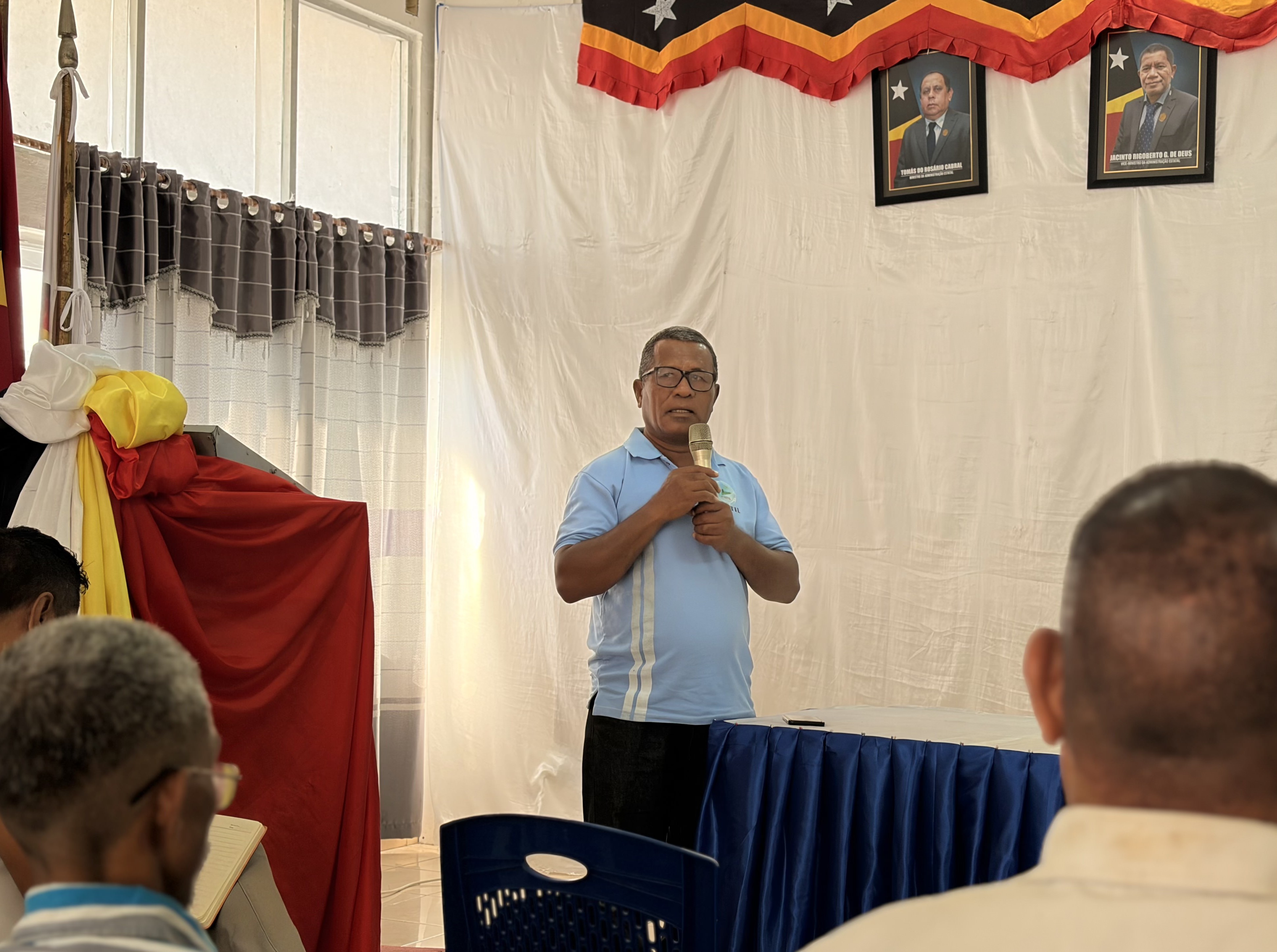 |
As part of the initiative the municipalities' MEP partners, Fundação Netil in Liquica, TAES in Manatuto, SIAO in Atauro, and FINARTIL Foundation in Dili will lead community awareness campaigns, capacity-building activities, and waste segregation programs to encourage proper waste management practices and reduce plastic leakage at the source.
Municipal officials also committed to strengthening waste management through the development of a waste segregation policy, regular daily waste collection services, and an improved collection route and scheduling system.
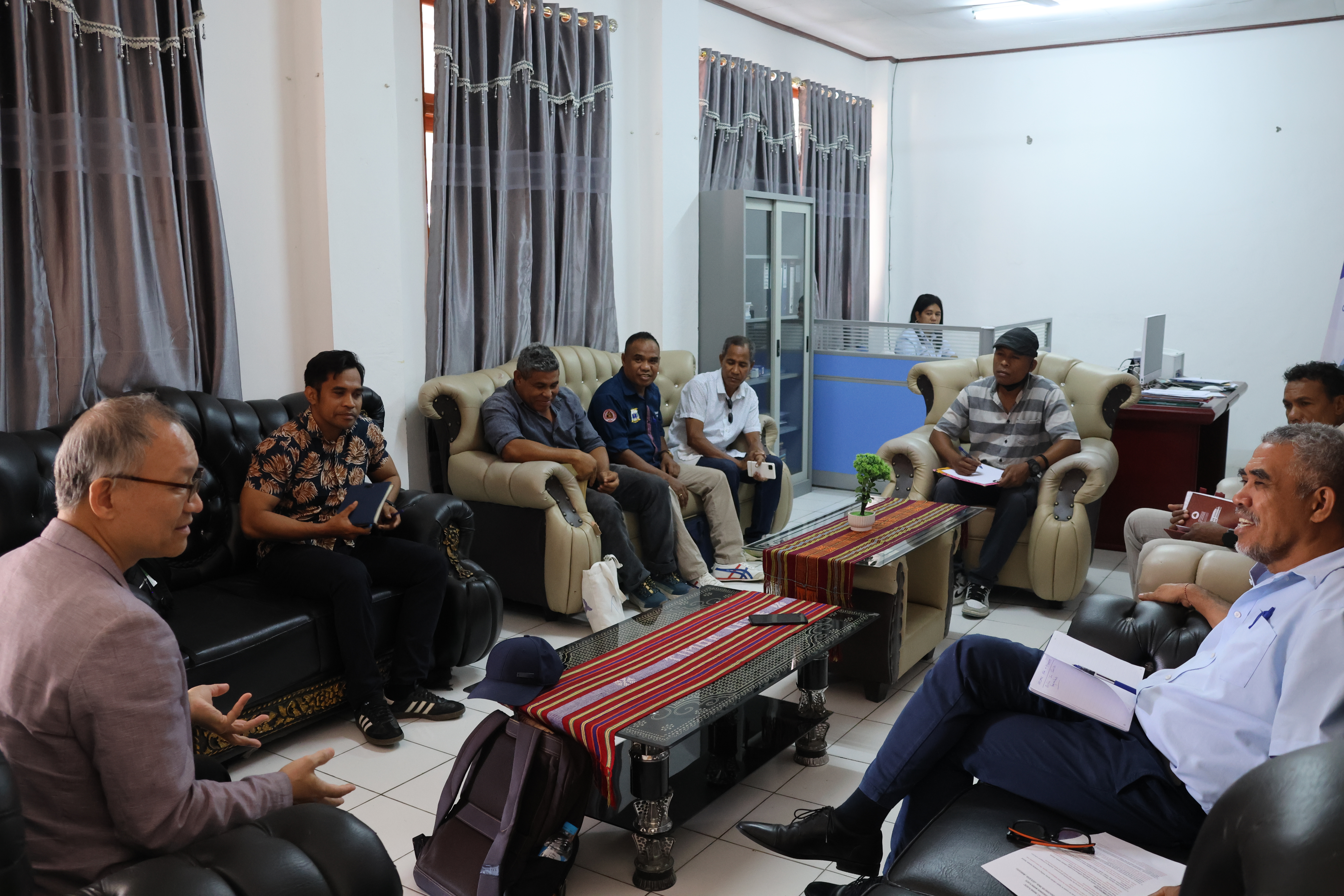
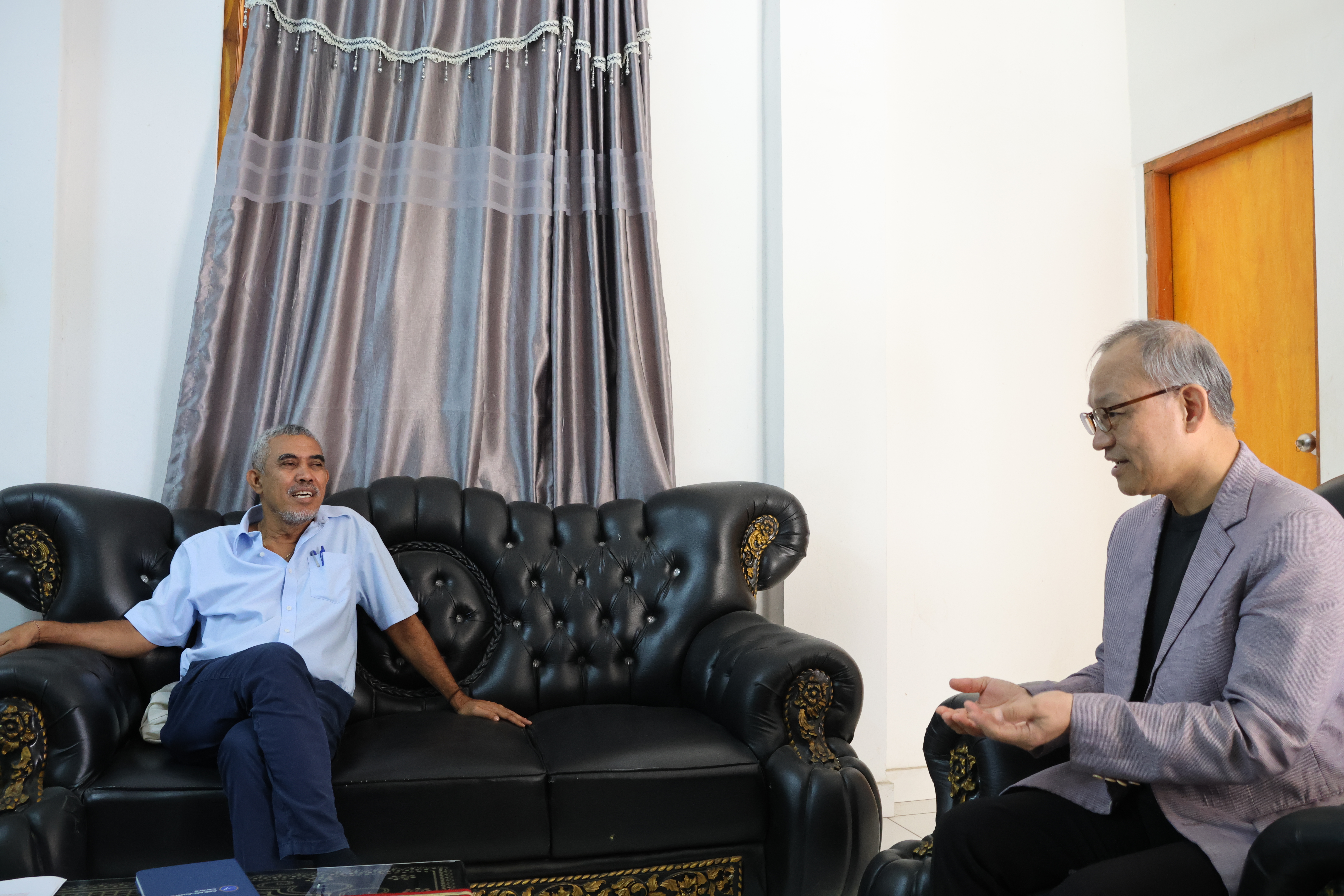
Luis Inácio Hendrique Fernandes (left) and Dr. Won-Tae Shin discuss the Project’s planned activities in Manatuto.
The consultations outlined support for two waste collection vehicles, the establishment of a MRF, as well as provision of trash bins for segregation,to serve the target sucos.
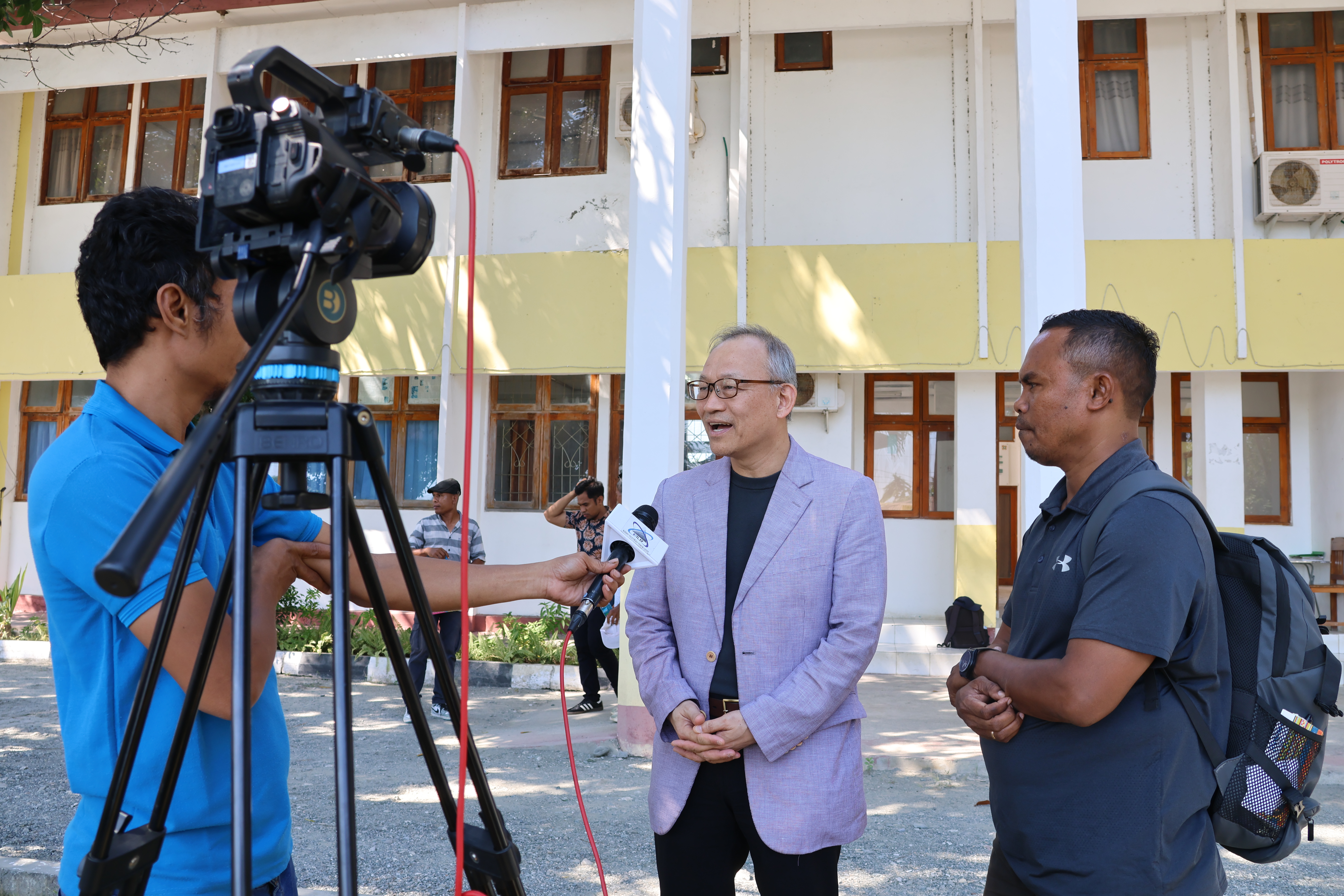
Dr. Shin speaks with a national media outlet in Manatuto about the Project’s initiatives to reduce marine plastic pollution and promote sustainable waste management in Timor-Leste.
Enhancing plastic waste recycling through public-private collaboration
A 2024 study by PEMSEA, found that plastic leakage is driven by interconnected challenges across the waste management chain, from segregation at the source and collection to recovery and final disposal.
In Dili, for example, municipal waste is currently transported to the Tibar disposal site, located 15 minutes west of the capital, emphasizing the need for improved waste diversion and recycling systems before waste reaches final disposal.
Most households do not practice waste segregation due to the absence of municipal segregation policies and limited public awareness. Poorly designed communal collection points, such as bak sampah, unlabeled waste bins and uncovered waste storage areas, further discourage proper segregation. In many municipalities, waste is collected from shared collection points rather than directly from households, while the lack of segregation scheme and policy and separate collection for different waste streams results in recyclable materials being mixed with general waste.
The study also revealed that many sucos remain outside regular waste collection services, forcing communities to rely on burning, burying, or indiscriminate dumping to manage their waste. Limited waste collection vehicles further reduce the frequency and coverage of collection services.
Recovery remains another major challenge, with no local recycling facilities in most municipalities, recyclable plastics are often disposed of alongside residual waste instead of being recovered for reuse. Limited awareness of the economic value of recyclable materials has also contributed to low community participation in waste recovery initiatives.
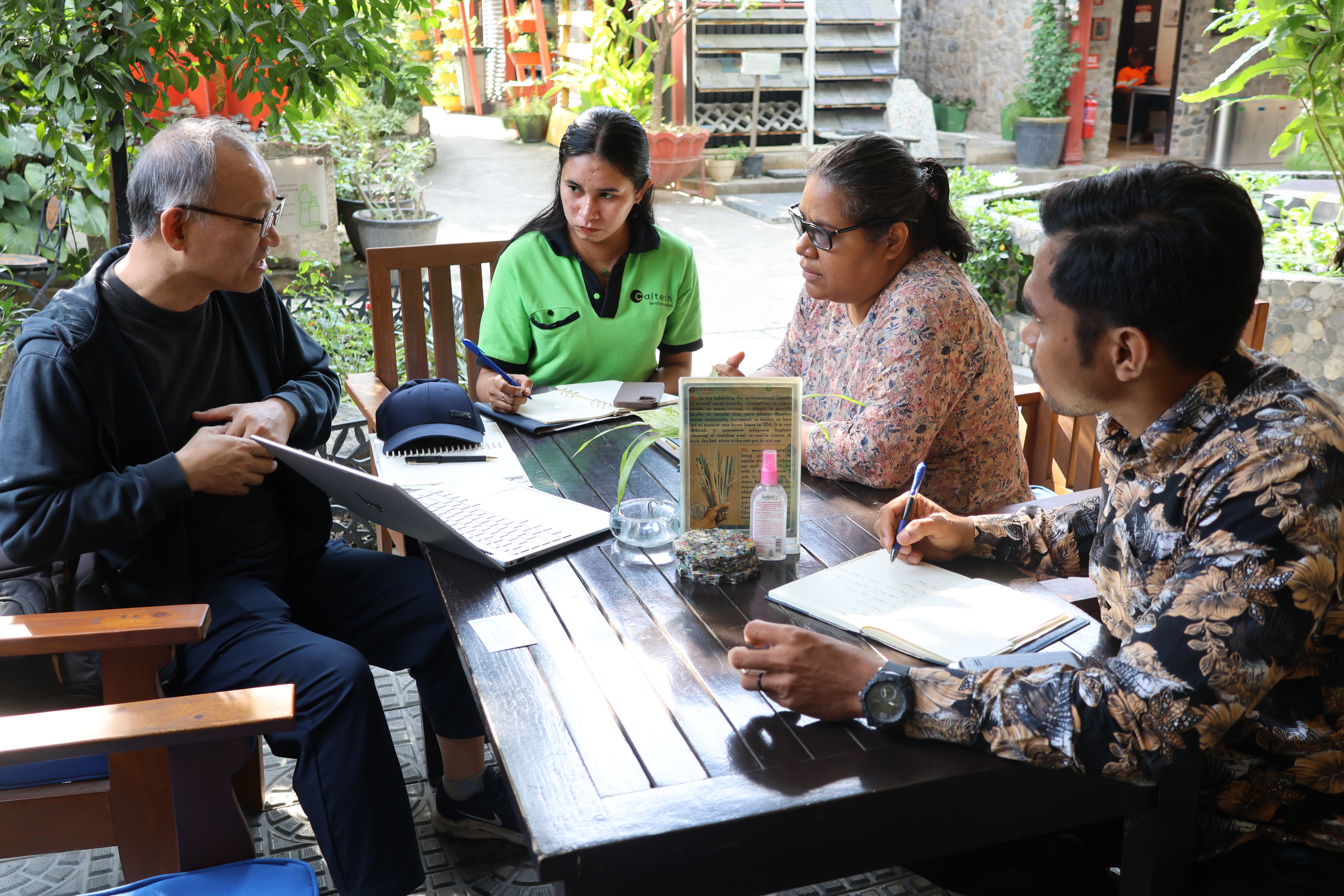
Dr. Shin meets with Joana Araujo, Operations Manager of CalTech, to explore opportunities for advancing plastic segregation, recovery and circular economy solutions in Timor-Leste through the transformation of recovered materials into durable construction boards.
To strengthen plastic recovery, the Project is seeking ways to collaborate with CalTech, a Timorese company which transforms recovered plastics, paper, cardboard, and Tetra Pak cartons into durable construction boards that provide a sustainable alternative to conventional plywood.
The engagement seeks to enhance plastic waste recycle rate in Timor-Leste while demonstrating the value of a circular economy, helping divert plastic waste from disposal sites and encouraging greater community participation in waste recovery. Caltech will make recycled plastic boards using collected plastic wastes from Manatuto and Atauro.
The proposed pilot project intends to strengthen every stage of the waste management chain—from segregation and collection to recycling and recovery, and returning the recycled products to the communities.
The final pilot project designs for the four Timor-Leste sites will be submitted for deliberation and approval by the MOF/PEMSEA Marine Plastics ODA Project Regional Steering Committee during its 4th Meeting in December 2026.
Recent Articles
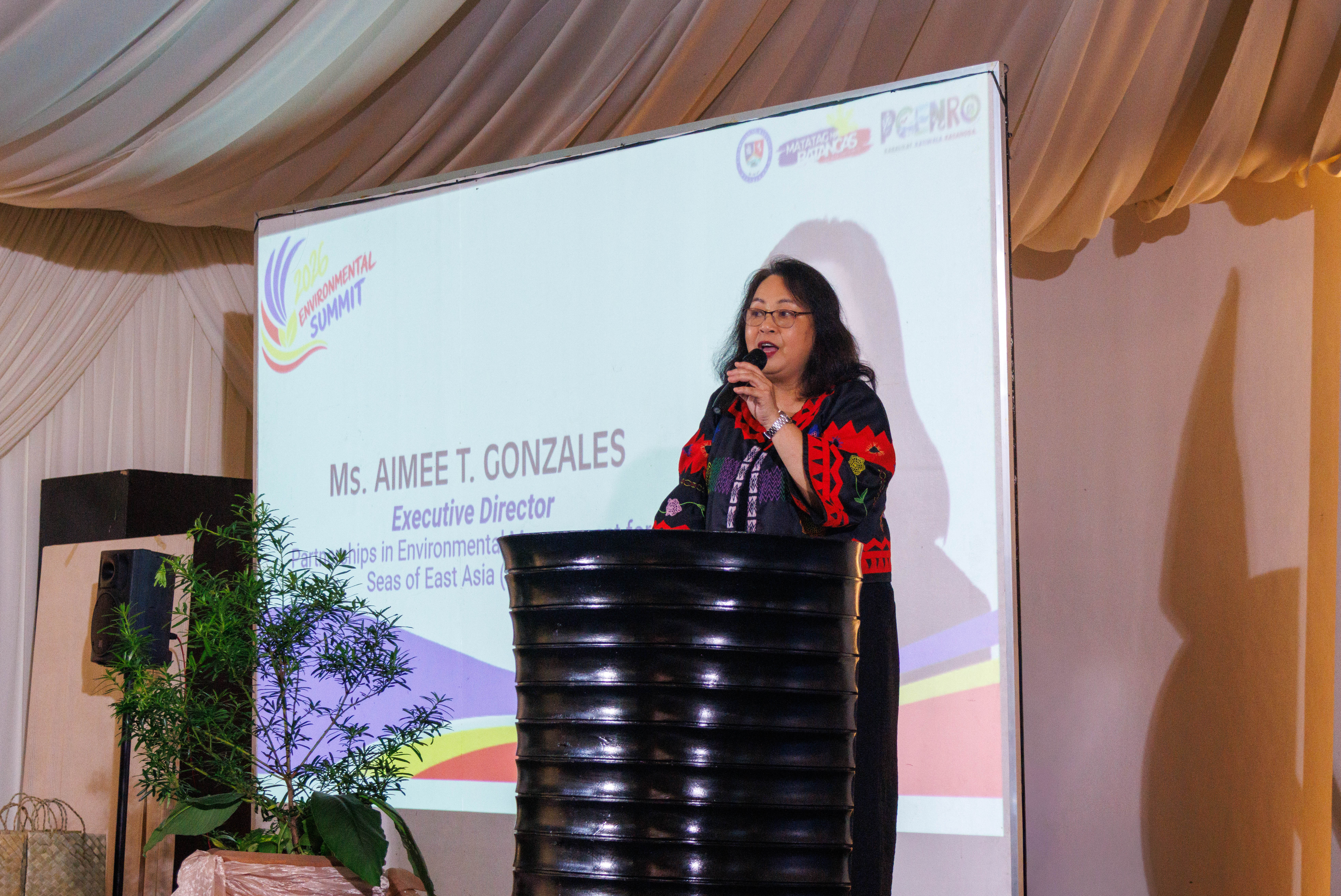
PEMSEA Recognized for Three Decades of Partnership with Batangas Province
Wednesday, 7 October 2026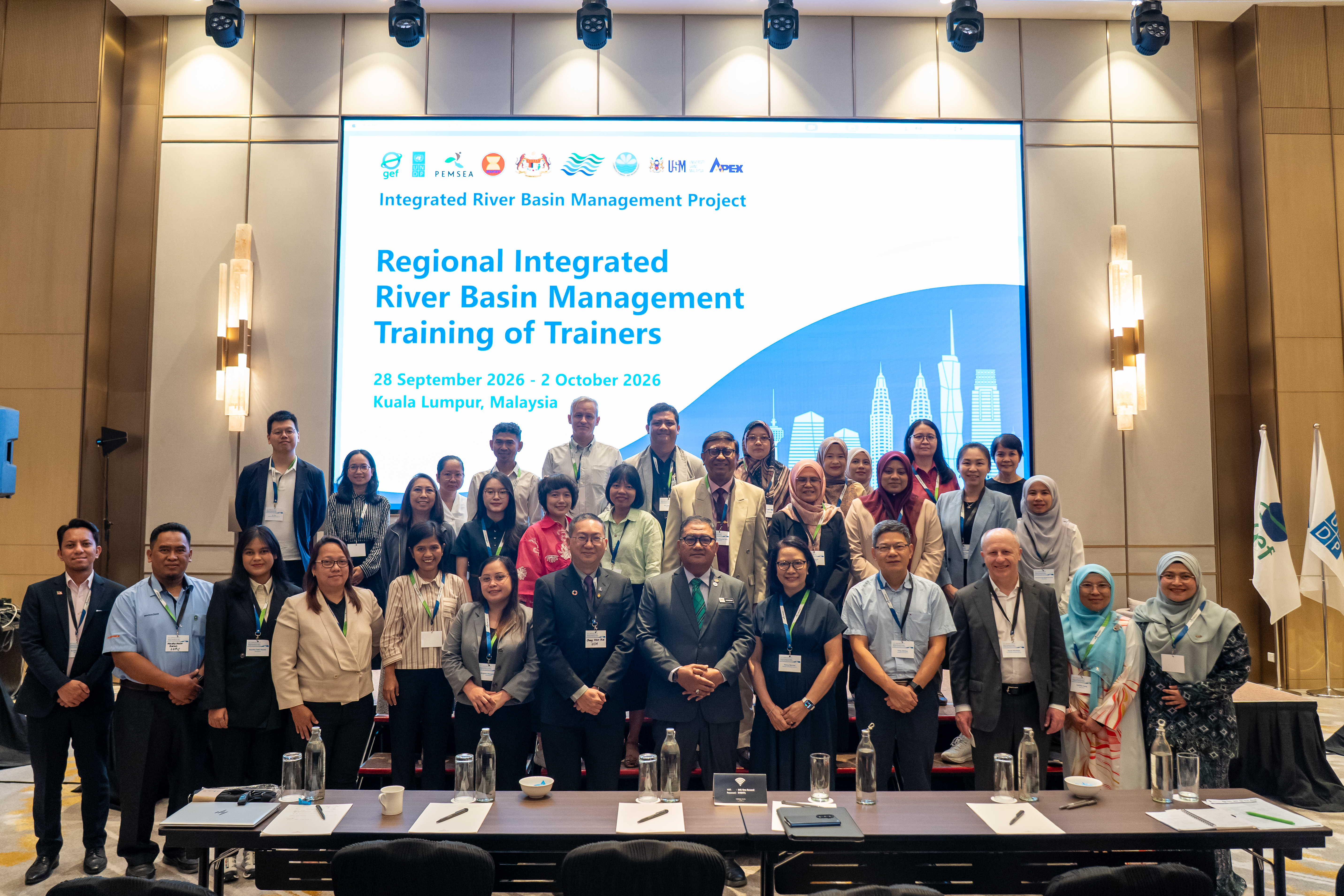
The GEF/UNDP/ASEAN IRBM Project Conducts the Regional Integrated River Basin Management Training of Trainers
Monday, 28 September 2026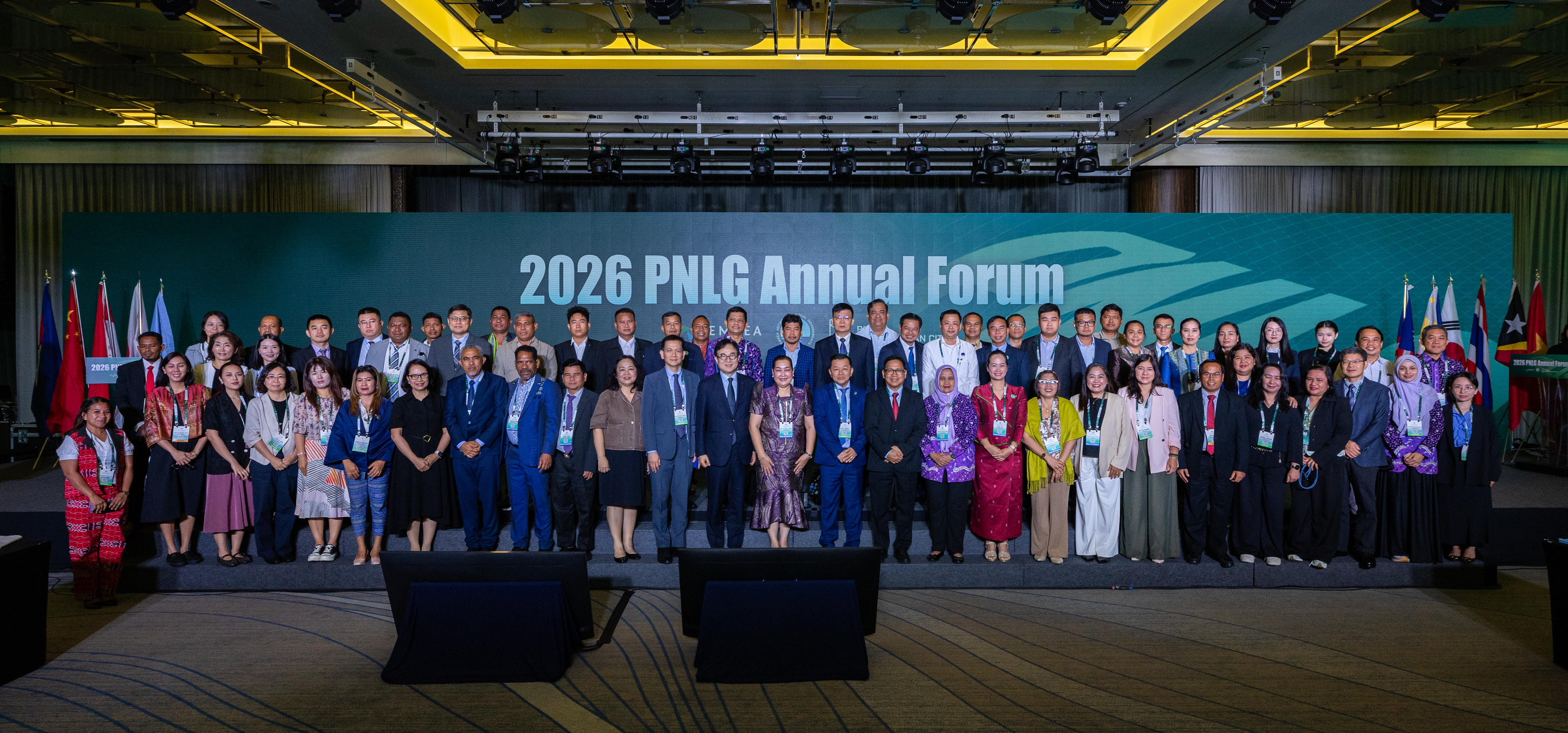
"Let This Forum Not Be Remembered for the Words We Spoke, but for the Actions We Inspire": PNLG President's Closing Message Calls for Action Beyond Busan, Republic of Korea
Monday, 21 September 2026
From north to south, local stakeholders convene to protect the Philippine Rise under the PRICELESS Project
Monday, 21 September 2026
PNLG General Assembly Adopts Busan Declaration, Welcomes Atauro Island as New Member
Wednesday, 9 September 2026