
State of the Coasts of Cavite Province
The State of the Coasts of Cavite Province, Philippines, was developed to assess and analyze the progress, achievements and impacts of ICM implementation in the province. It seeks to provide information on the changing social, economic and environmental conditions in the province and to determine the scope and effectiveness of coastal management programs that have been implemented. The report, in particular, aims to evaluate the governance mechanisms and management interventions that have been put in place and provide recommendations where improvements are necessary and critical. The SOC report may be refined and updated through time to monitor trends, changes and developments in the coastal areas of Cavite and to adopt the necessary policies and management strategies in response to these changes.
State of the Coasts of Bataan Province
The State of the Coasts of Bataan Province, Philippines, was developed to assess and analyze the progress, achievements and impacts of ICM implementation in the province. It seeks to provide information on the changing social, economic and environmental conditions in the province and to determine the scope and effectiveness of coastal management programs that have been implemented. The report, in particular, aims to evaluate the governance mechanisms and management interventions that have been put in place and provide recommendations where improvements are necessary and critical. The SOC report may be refined and updated through time to monitor trends, changes and developments in the coastal areas of Bataan and to adopt the necessary policies and management strategies in response to these changes.
PEMSEA Annual Report 2016: New Horizons
With the significant activities occurring in the last quarter of 2015, this Annual Report covers PEMSEA’s major programs and activities from the 4th quarter of 2015 up to the end of 4th quarter 2016. It aims to share the significant highlights within that period, providing readers with insight on the breadth of work being done and the number of organizations and people who are actively collaborating and contributing to the regional effort for sustainable seas.
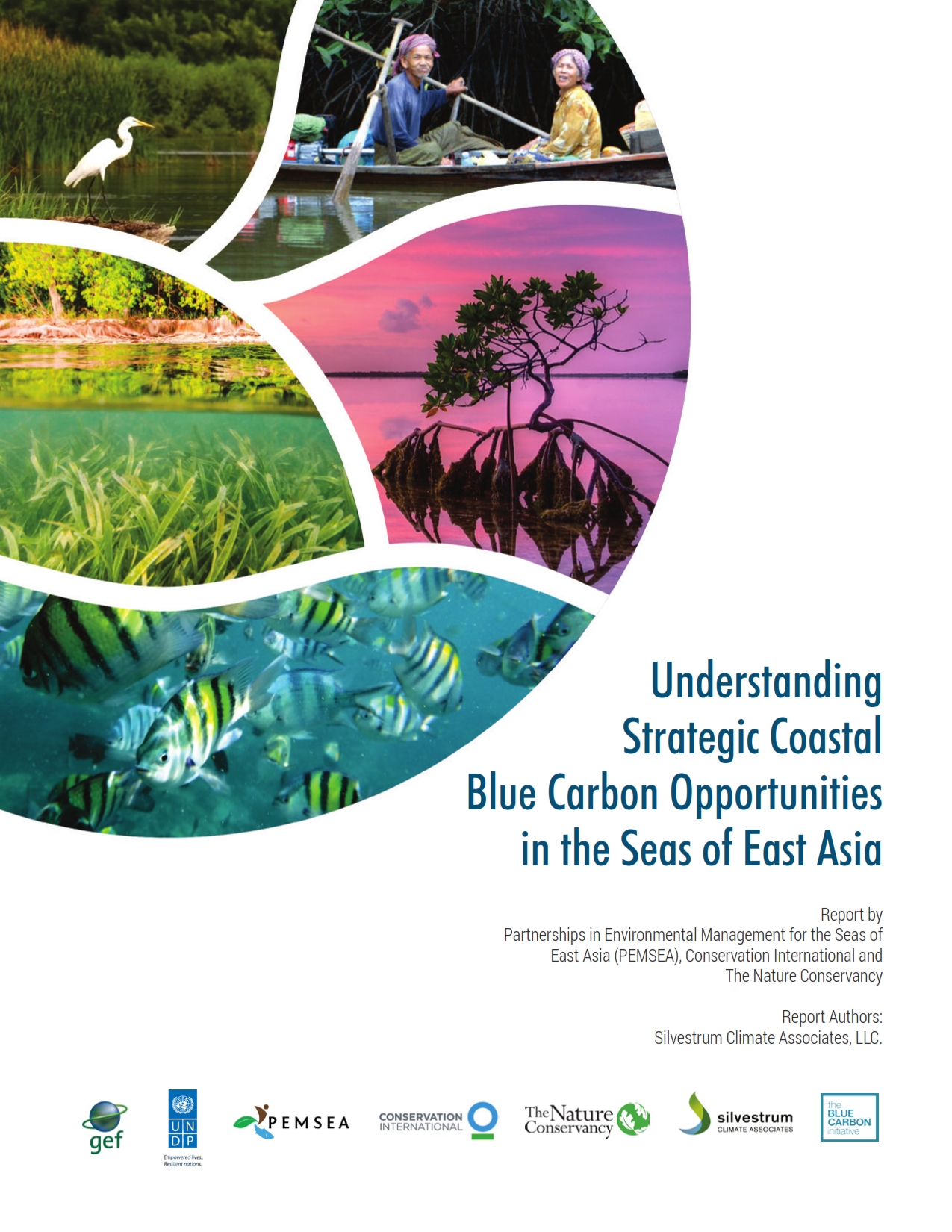
Understanding Strategic Coastal Blue Carbon Opportunities
Coastal blue carbon is a term that recognizes the role of coastal wetlands in the global carbon cycle. Mangroves, tidal marshes and seagrass meadows (collectively called coastal blue carbon ecosystems) sequester carbon dioxide from the atmosphere continuously over thousands of years, building stocks of carbon in biomass and organic rich soils. This ecosystem service is in addition to other ecosystem services provided by coastal wetlands that underpin fish stocks, maintain food security and contribute to filtration of sediment, protecting coral reefs and populated coastal lowlands from erosion and flooding.
This report seeks to better understand the status of coastal blue carbon ecosystems in East Asia and raise awareness of the opportunities to include improved management of these ecosystems within climate mitigation and adaptation actions and commitments, including opportunities to access new forms of financing. It geographic focus is on countries with coastal ecosystems that have signed the Sustainable Development Strategy for the Seas of East Asia (SDSSEA), specifically: Brunei Darussalam, Cambodia, China, DPR Korea, Indonesia, Japan, Malaysia, Philippines, RO Korea, Singapore, Thailand, TimorLeste and Viet Nam.
Print version is available for FREE. Pay only for the shipping cost.
Economic Assessment of Oceans for Sustainable Blue Economy Development
The potential linkages between blue economy, sustainable development and economic growth have been recognized in a number of international forums and documentations in recent years, such as the 2012 Changwon Declaration Toward an Ocean-based Blue Economy: Moving Ahead with the Sustainable Development Strategy for the Seas of East Asia, and the Xiamen Declaration of the Fourth APEC Ocean-related Ministerial Meeting Towards a New Partnership through Ocean Cooperation in the Asia Pacific Region in 2014.
The blue economy, as discussed during the East Asian Seas (EAS) Congress 2012, refers to a sustainable ocean-based economic model that is largely dependent on coastal and marine ecosystems and resources, but one that employs environmentally-sound and innovative infrastructure, technologies and practices, including institutional and financing arrangements, for meeting the goals of: (a) sustainable and inclusive development; (b) protecting our coasts and oceans, and reducing environmental risks and ecological scarcities; (c) addressing water, energy and food security; (d) protecting the health, livelihoods and welfare of the people in the coastal zone; and (e) fostering an ecosystem-based climate change mitigation and adaptation measures.
Applying Knowledge Management to Scale up Partnership Investments Project Financial Statements January to December 2014
This document presents the financial position of Applying Knowledge Management to Scale Up Partnership Investments for Sustainable Development of Large Marine Ecosystems of East Asia and their Coasts (Grant no. TF 015589) of the Partnership in Environmental Management for the Seas of East Asia (PEMSEA), a project funded by International Bank For Reconstruction And Development (World Bank) which comprise the statement of financial position as at December 31, 2015, and the statements of receipts, expenses and fund balances and cash flows for the year then ended in accordance with the financial reporting provisions of the agreement between PEMSEA and World Bank.
The project financial statement has been prepared on the modified receipts and expenses basis of accounting and in accordance with other reporting requirements of World Bank. The financial statement is prepared to assist the Project to comply with the financial reporting provisions of the agreement.
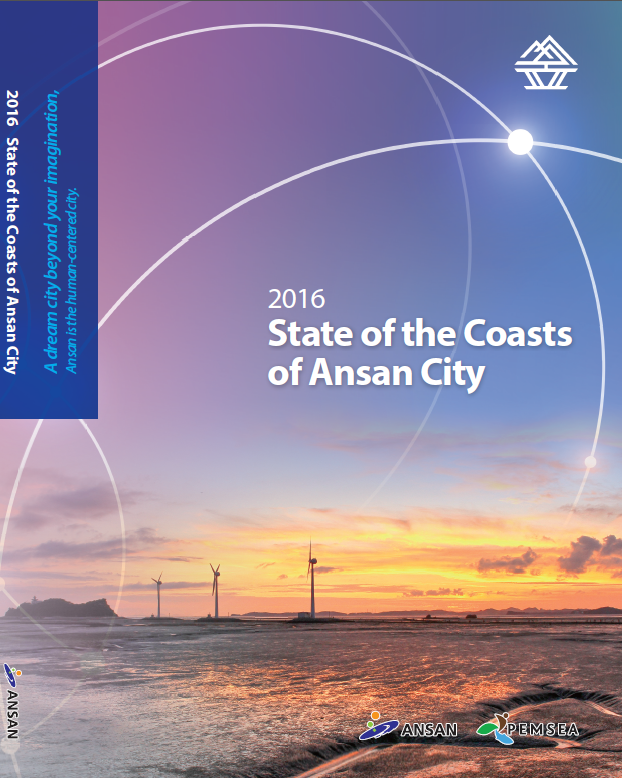
State of the coasts of Ansan City 2016
The State of the Coasts Report of Ansan City is a record of Ansan City’s efforts on sustainable development and attainment of the City’s vision: Green and Eco City. This report presents a comprehensive data, information and analysis on PEMSEA’s SOC core indicators from various sources since 2010 as the baseline year.
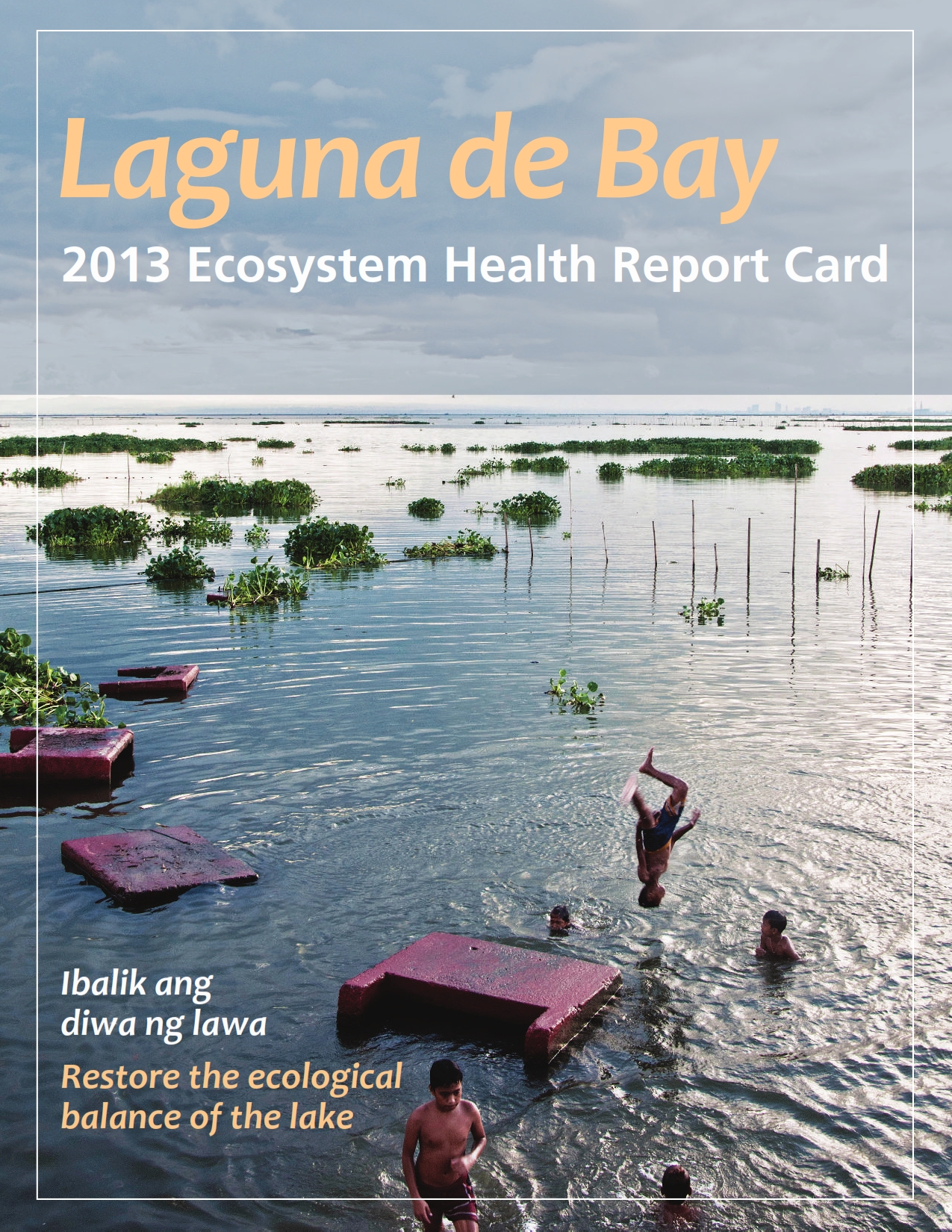
Laguna de Bay 2013 Ecosystem Health Report Card
The Laguna de Bay Ecosystem Health Report Card provides information to decision makers and stakeholders on the state of health of the lake environment. The report card measured indicators for water quality and fisheries to assess the overall quality of the lake ecosystem based on data from 2013. The results from the assessment are intended to inform policy and investment planning on the best management practices for improving the environmental quality of the lake.
Sustainable Development Strategy for the Seas of East Asia
The Sustainable Development Strategy for the Seas of East Asia is a package of applicable principles, relevant existing regional and international action programmes, agreements, and instruments, as well as implementation approaches, for achieving sustainable development of the Seas of East Asia. It offers a regional framework for the interested countries and other stakeholders to implement, in an integrated or holistic manner, the commitments they have already made, without assuming new legal obligations. The SDS-SEA embodies the shared vision of the countries and other stakeholders for the Seas of East Asia, and the ways by which they will achieve that shared vision.