
18th East Asian Seas Partnership Council Meeting Convenes in Singapore
Friday, 31 July 2026
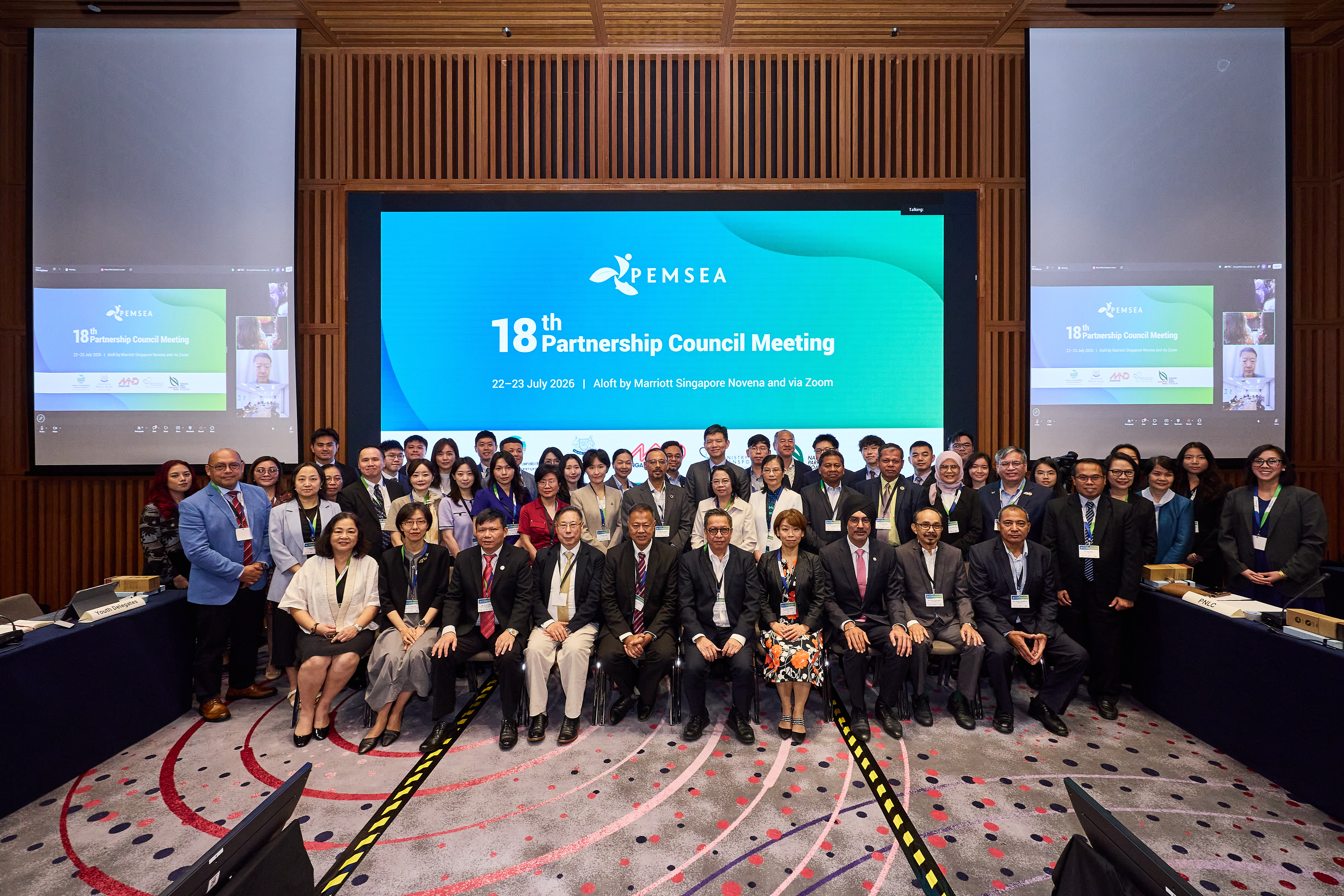
The East Asian Seas (EAS) Partnership Council convened in Singapore from 22–23 July 2026, to review key accomplishments, deliberate on strategic priorities, and provide policy guidance to advance sustainable ocean governance and regional cooperation under the PEMSEA partnership.
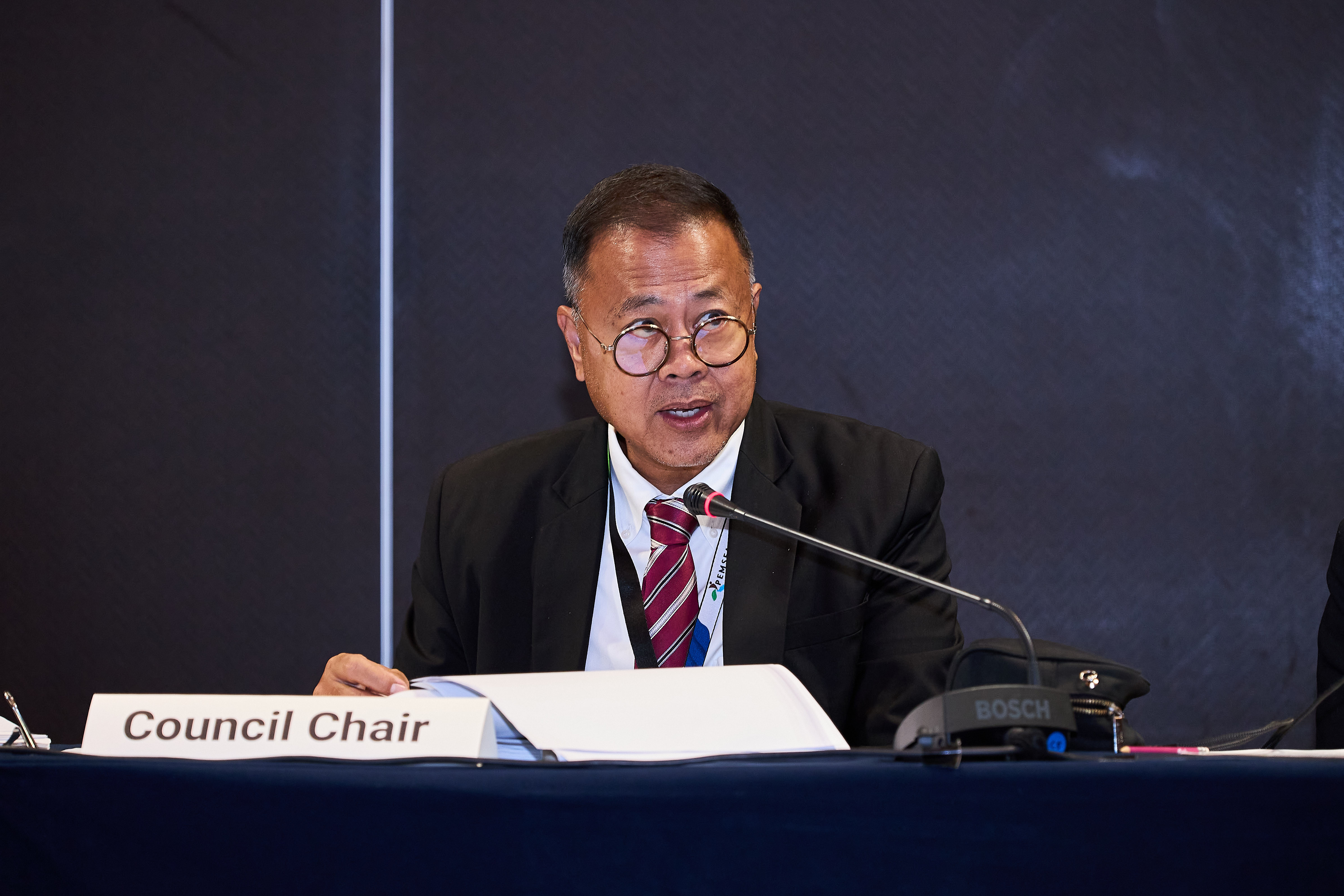
Partnership Council Chair Jonas R. Leones opens the 18th Council Meeting, emphasizing regional cooperation for sustainable ocean governance.
In his opening remarks, EAS Partnership Council Chair Jonas R. Leones welcomed Country and Non-Country Partners, collaborating organizations, and regional stakeholders to the 18th EAS Partnership Council Meeting, emphasizing the importance of regional cooperation in advancing sustainable coastal and ocean governance.
He noted that the meeting marks the first Partnership Council Meeting under the newly elected Executive Committee and provides an opportunity to build on the Partnership's achievements while charting its future direction.
"This meeting provides us with an opportunity to assess our progress, strengthen partnerships, and align our collective actions toward a resilient, inclusive, and sustainable blue economy," he said.
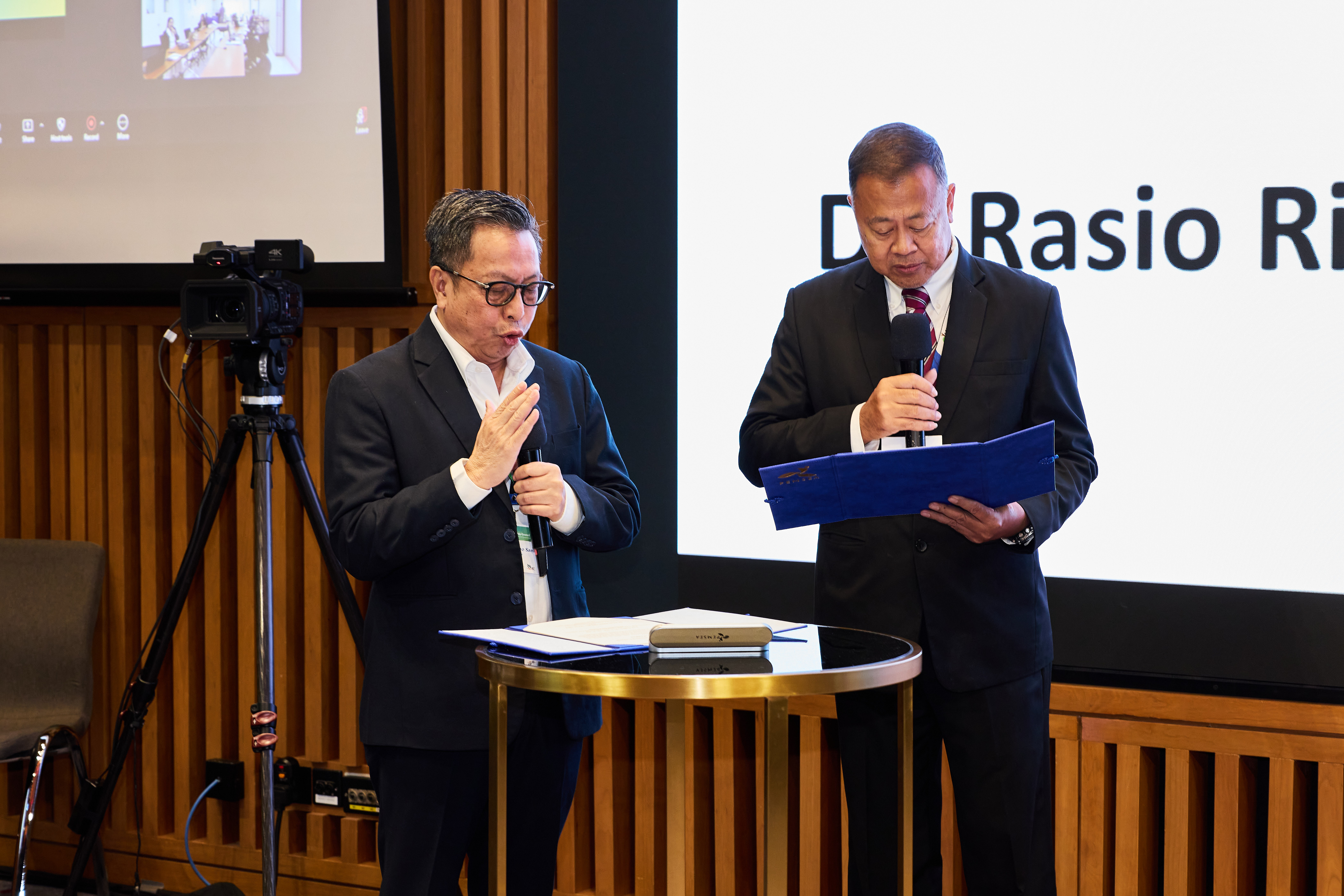
Partnership Council Chair Jonas Leones (right) administers the oath of office to new Co-Chair Dr. Rasio Ridho Sani (left).
Among the major highlights of the 18th EAS Partnership Council Meeting is the election of Dr. Rasio Ridho Sani, Deputy for Pollution and Environmental Damage Control of Indonesia's Ministry of Environment/Environmental Control Agency, as Co-Chair of the Partnership Council and updates on the selection process for the PEMSEA Resource Facility Executive Director’s post.
Newly appointed Co-Chair Dr. Rasio Ridho Sani thanked the Partnership Council and its partners for their confidence, stating that he was honored to take on the role and reaffirming Indonesia’s commitment to sustainable coastal management.
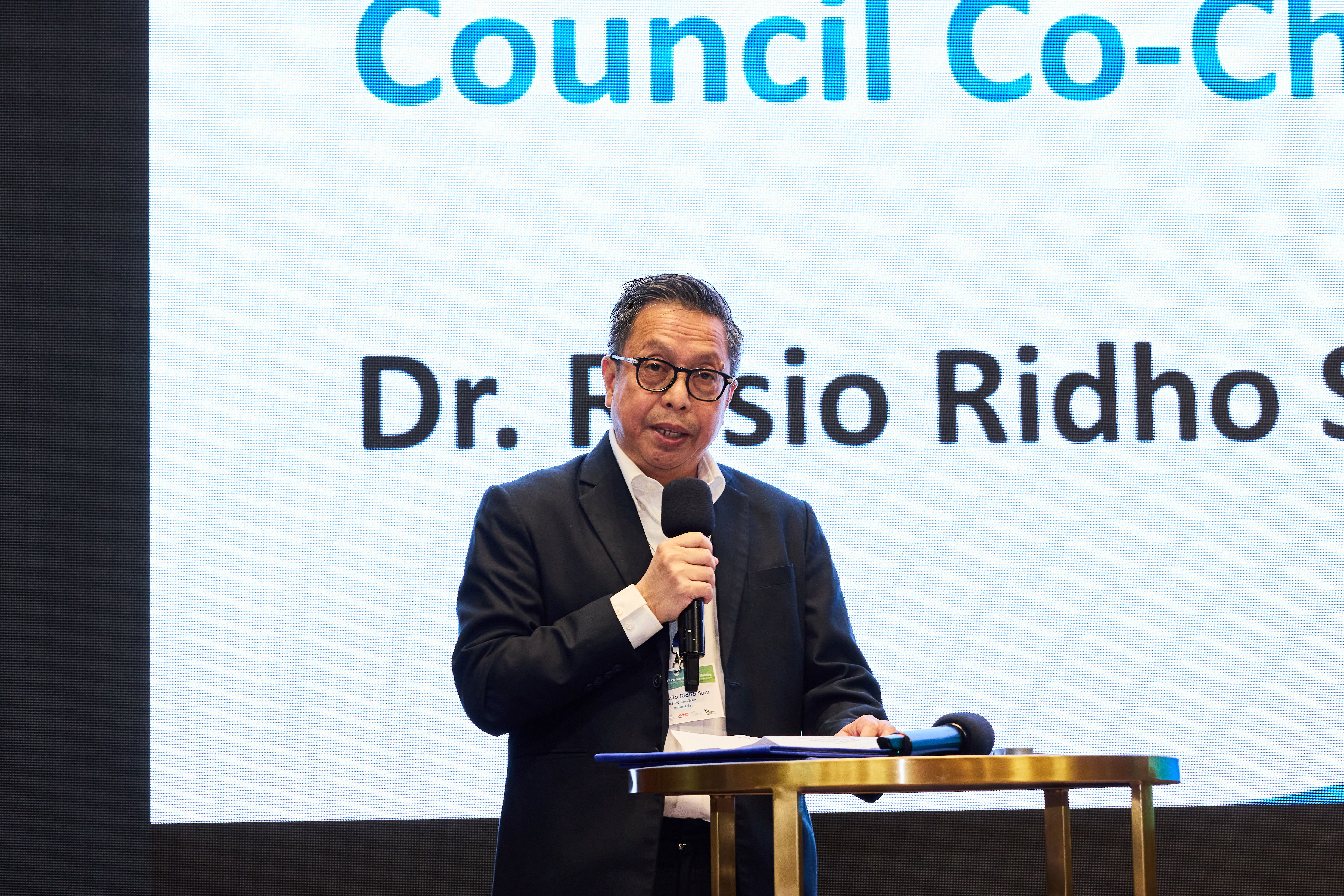
Partnership Council Co-Chair Dr. Rasio Ridho Sani shares his vision for strengthening regional partnerships and bridging policy with local environmental action.
“I am committed to being a bridge, between countries, between science and policy and actions on the ground and aligning PEMSEA’s shared regional goals with international commitments and local needs and priorities," he said.
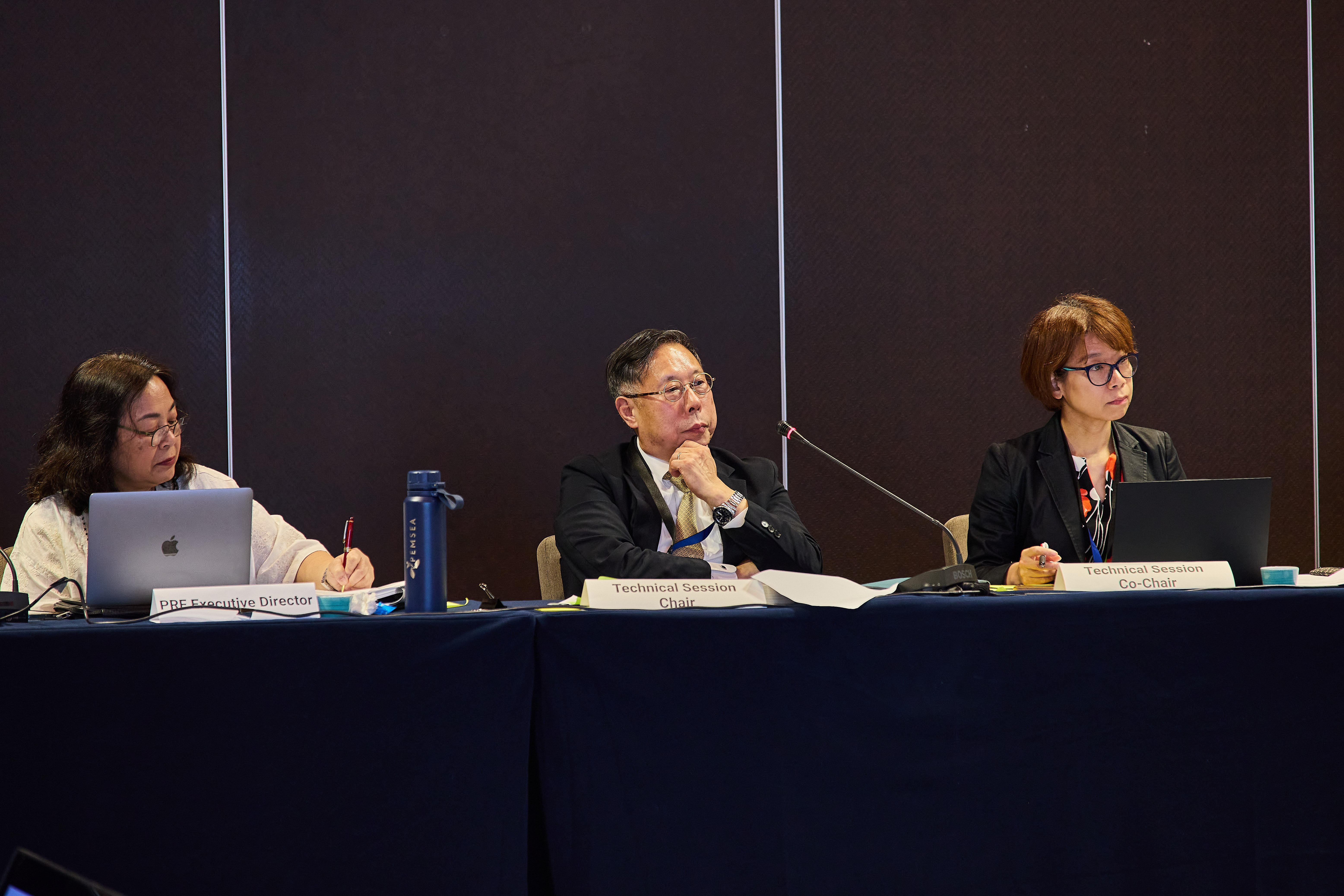
From left: PEMSEA Resource Facility Executive Director Aimee Gonzales, Technical Session Chair Dr. Suk-Jae Kwon, and Technical Session Co-Chair Dr. Kazumi Wakita.
Under the Technical Session, chaired by Dr. Suk-Jae Kwon with Dr. Kazumi Wakita serving as Co-Chair, the Partnership Council endorsed the Regional Blue Carbon Accounting Protocol with special reports on mangroves, seagrass, and salt marshes and discussed preparations for the 2027 East Asian Seas Congress which will be held in Tangerang, Indonesia.
Dr. Suk Jae-Kwon called on regional stakeholders to actively exchange knowledge and technical expertise to address emerging marine challenges. He explained that the session serves as a vital bridge between scientific innovation and policy implementation.
“The Technical Session continues to serve as an important platform for exchanging scientific knowledge, technical expertise, and innovative approaches that support the implementation of the Sustainable Development Strategy for the Seas of East Asia, or SDS-SEA. Through these discussions, we strengthen the region’s collective capacity to respond to emerging coastal and ocean challenges and advance practical, science-based solutions,” said Dr. Kwon.
The session also covered discussions on the Marine Protected Areas (MPA) Baseline Report jointly commissioned by PEMSEA and eight regional organizations with mandates on coasts and marine, along with updates on ongoing PEMSEA projects and initiatives, including the institutionalization of the PEMSEA Young Leaders Program.
Intergovernmental Session Session Gears for Strategic Direction to 2030
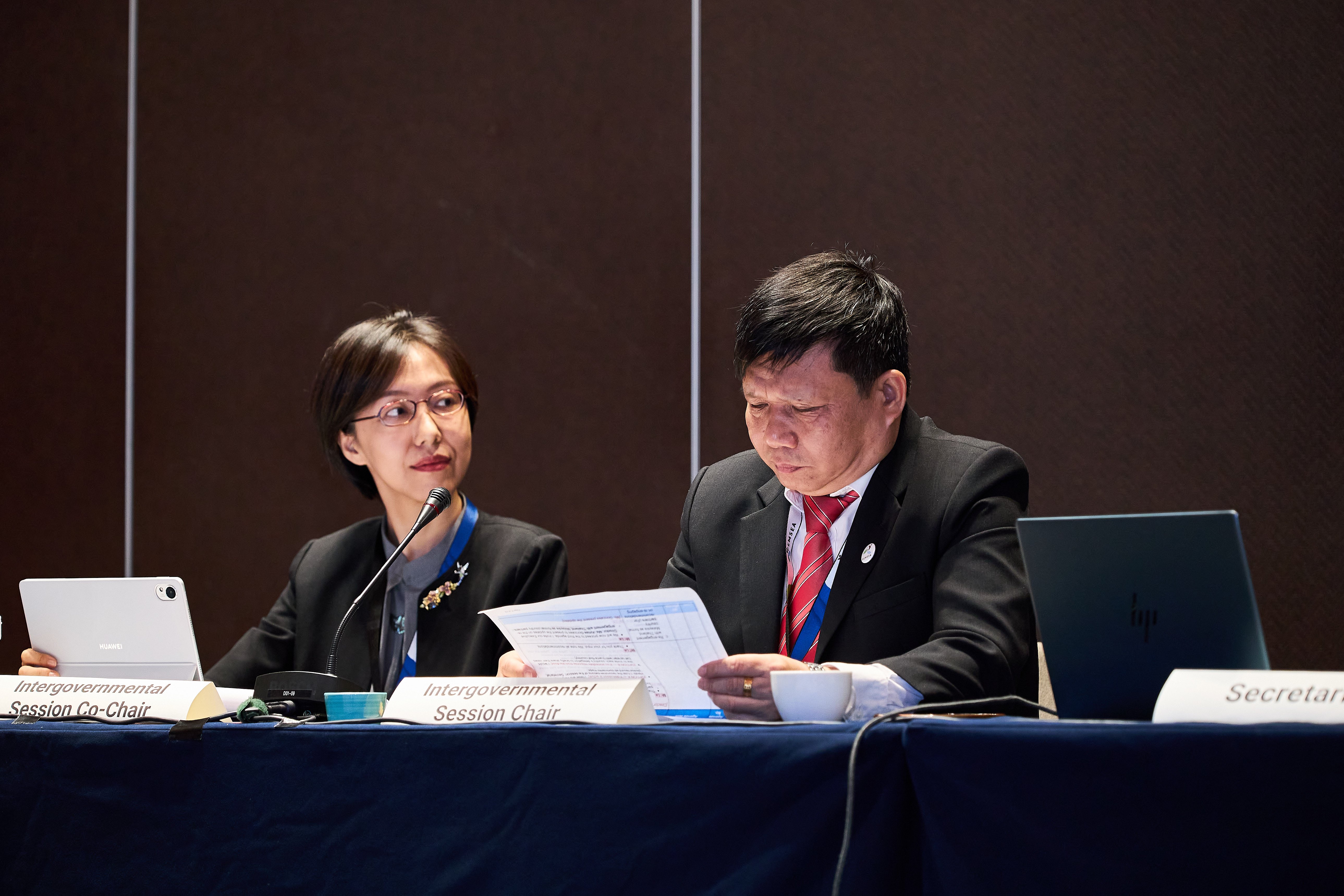
Intergovernmental Session Chair Mr. Le Dai Thang (right) and Co-Chair Dr. Yu Xinwei (left) lead discussions on PEMSEA’s strategic priorities, budget allocations, and SDS-SEA implementation.
Led by Intergovernmental Session Chair Mr. Le Dai Thang and Co-Chair Dr. Yu Xinwei, the Session provided policy guidance on PEMSEA's strategic, institutional, and financial priorities while reviewing work programs, budget allocations, and the implementation of the SDS-SEA.
The session deliberated on the PEMSEA Sustainability Plan, which outlines the long-term financial and institutional sustainability of the PEMSEA Resource Facility (PRF) to support the effective implementation of the SDS-SEA Implementation Plan 2023–2030. The Session also discussed the Business Development and Resource Mobilization Plan 2026–2030, which aims to enhance PEMSEA’s position as a regional solutions platform providing diversified financing, strengthened technical services provider, project preparation and management, and blue finance facilitation.
The Partnership Council likewise reviewed the Organizational Capacity Assessment and Capacity Building Plan to identify institutional capacities needed to effectively implement the SDS-SEA, deliberate on the PRF Work Plan and Budget for 2026–2027, strengthen alignment between national agencies and PEMSEA, and develop evidence-based organizational and staff capacity development plans.
 |  |
 |  |
 |  |
 |  |
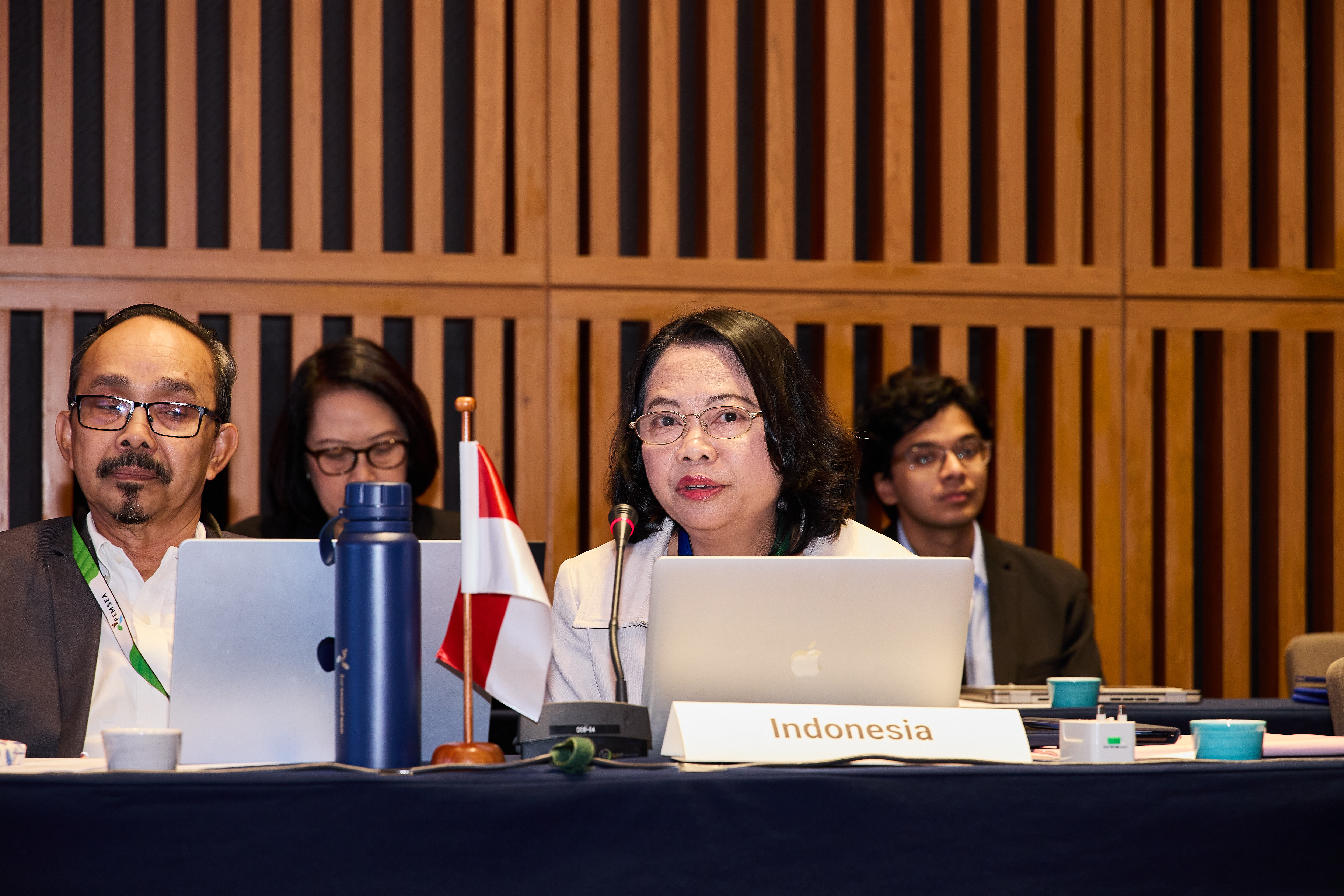 | 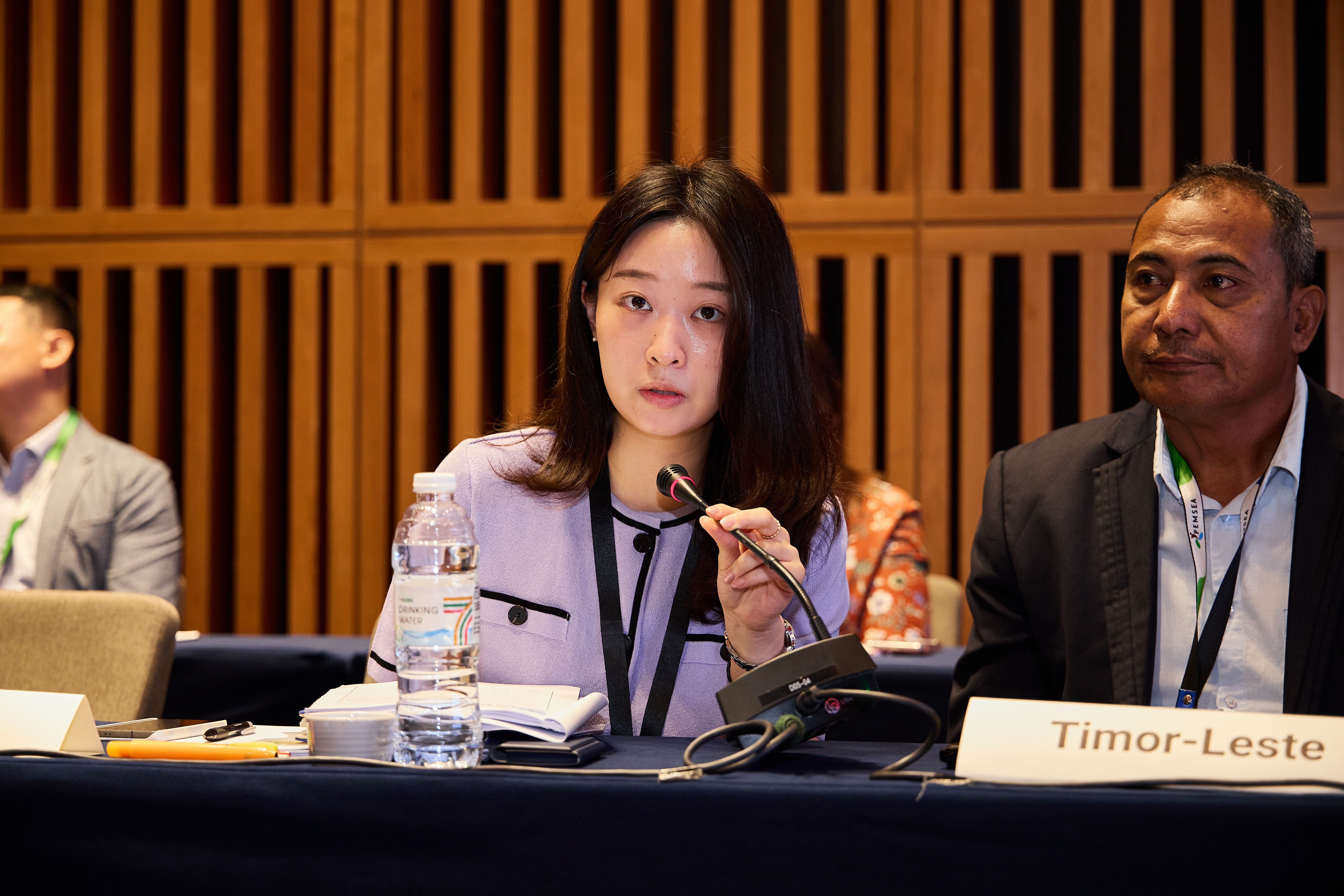 |
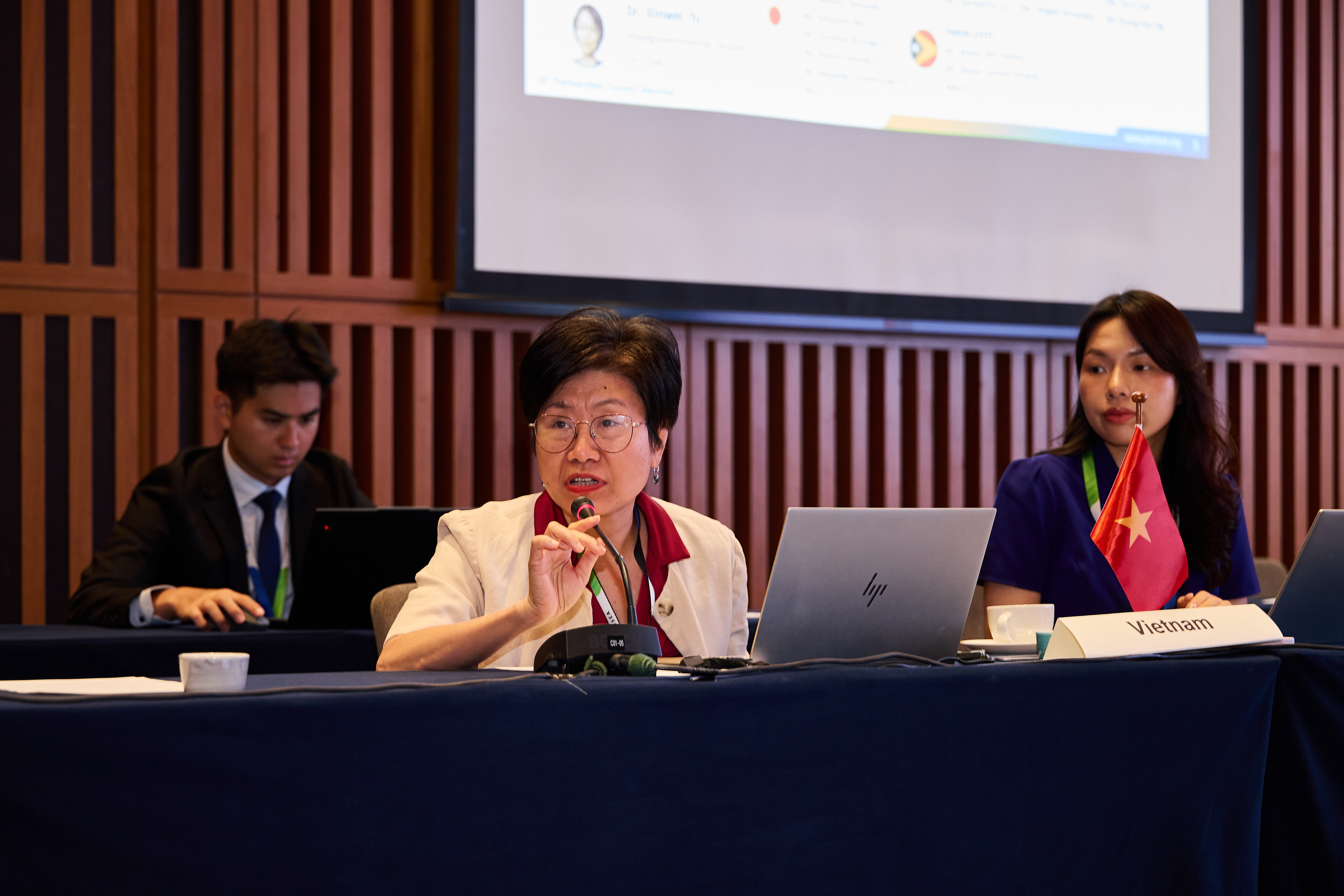
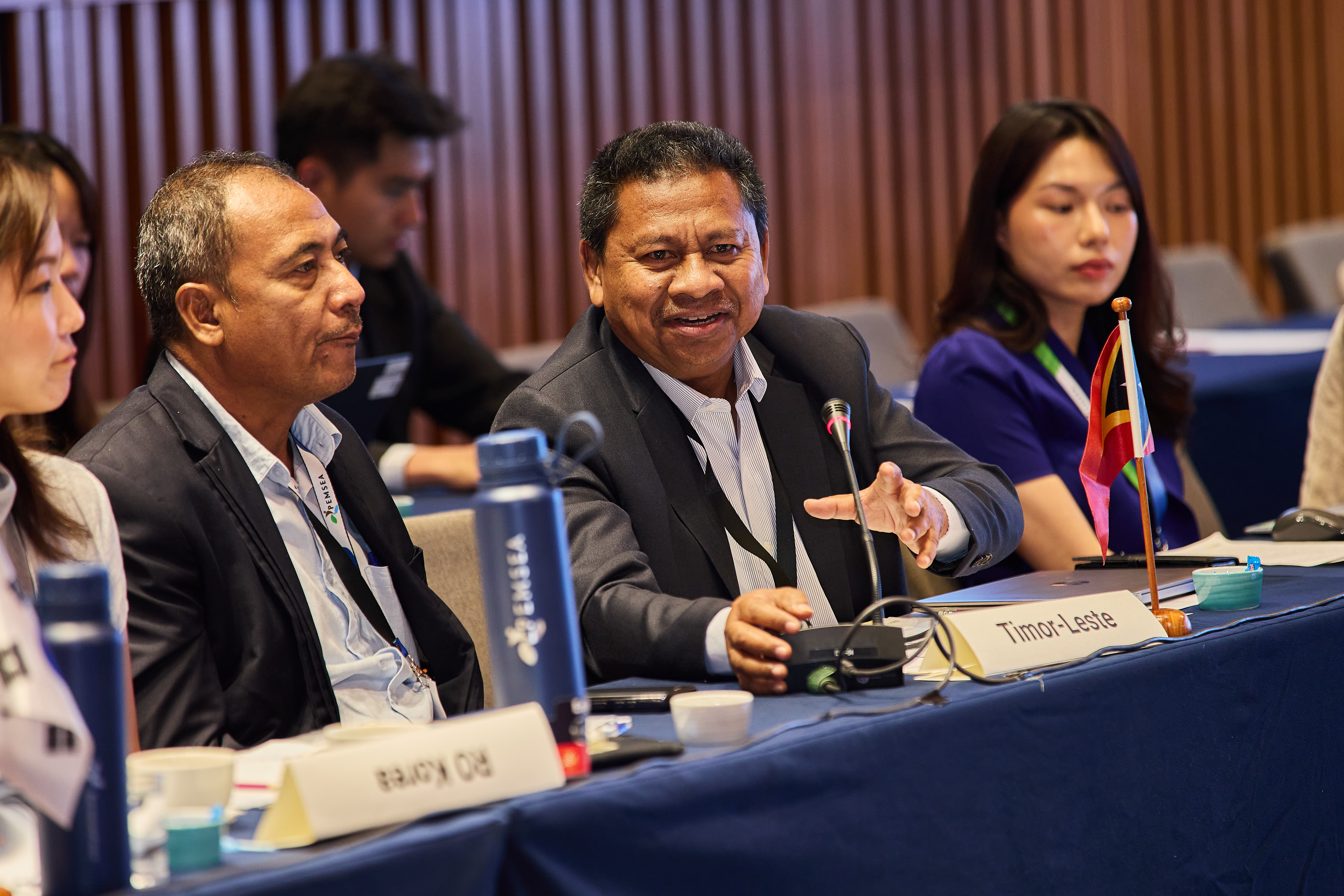
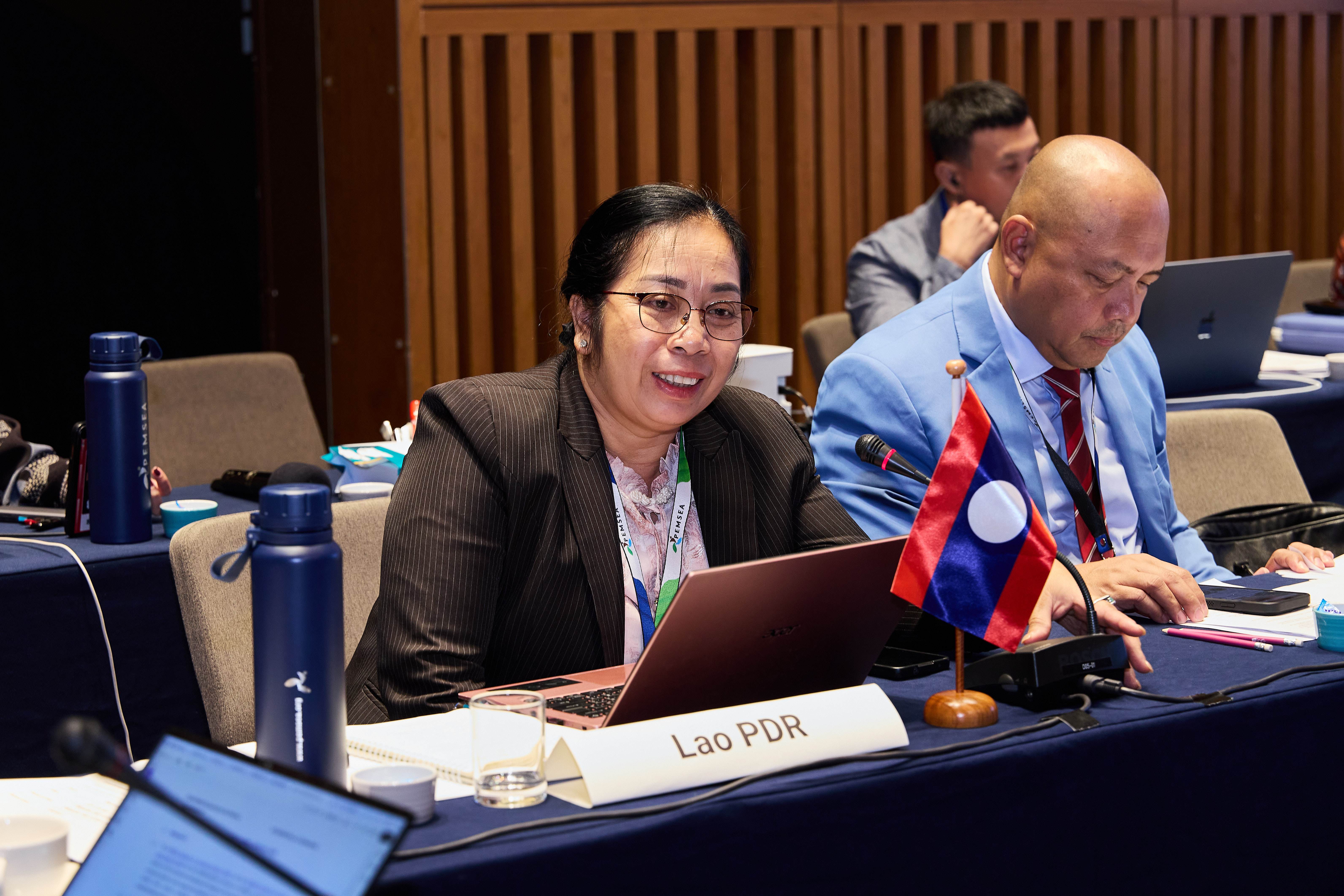
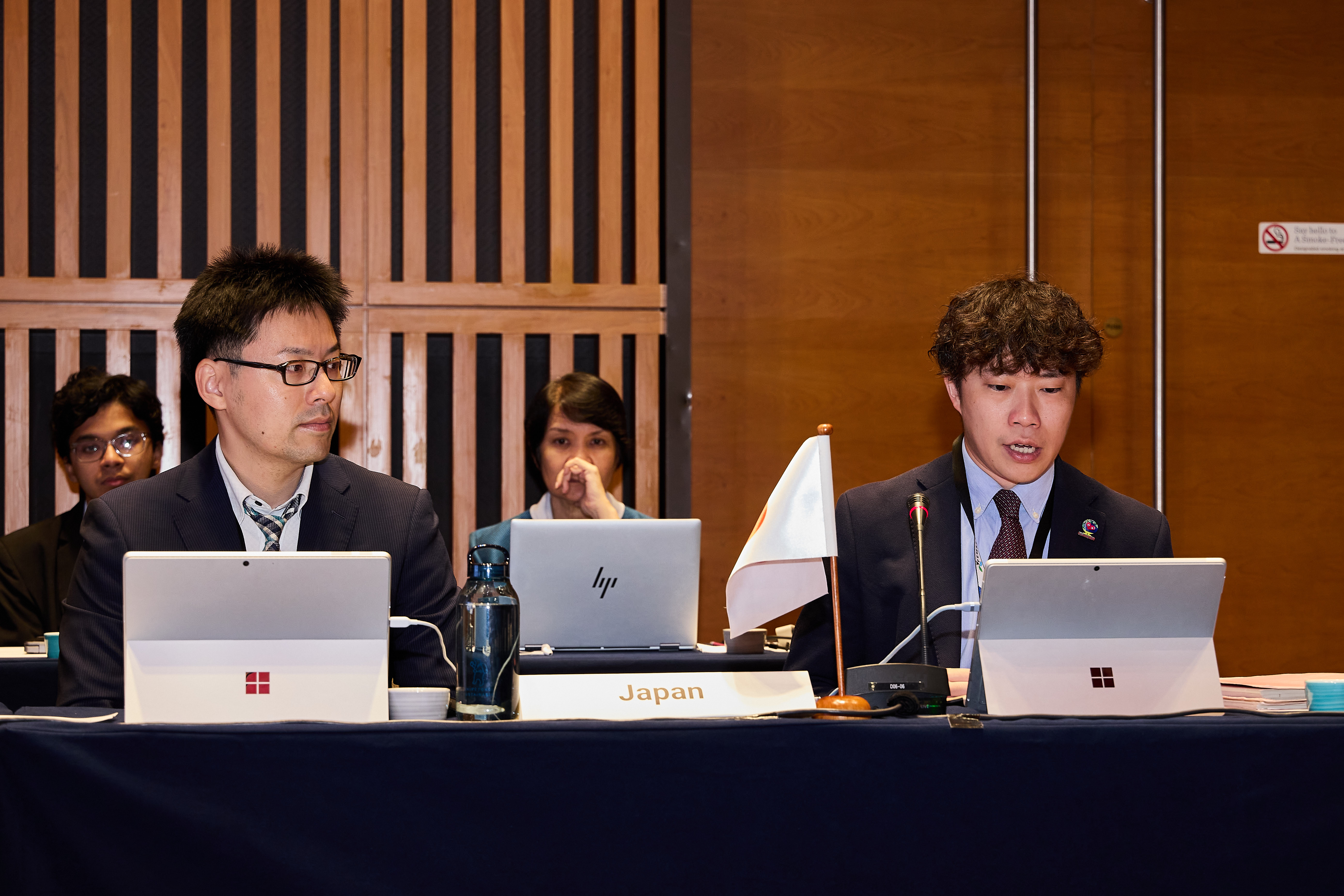
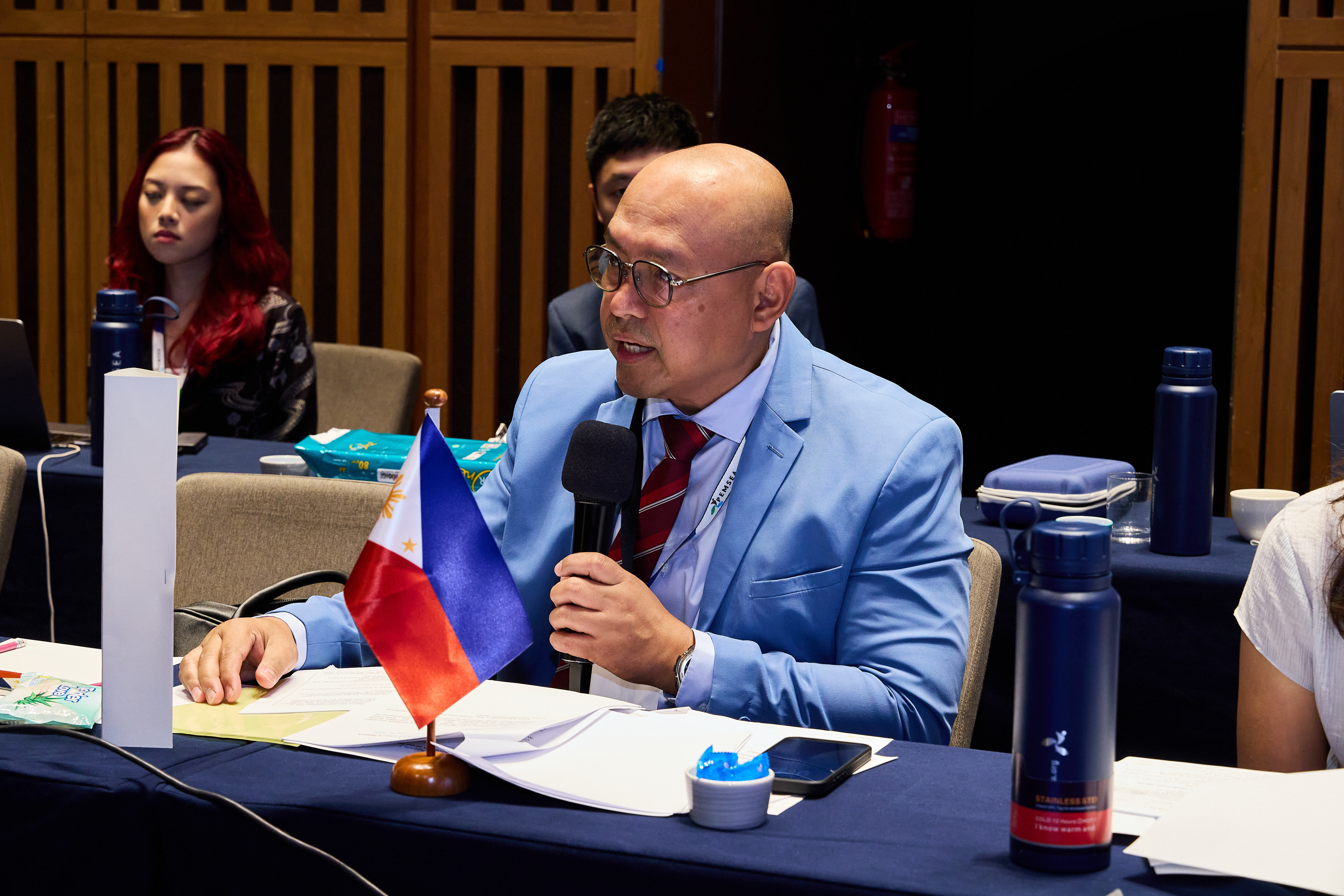
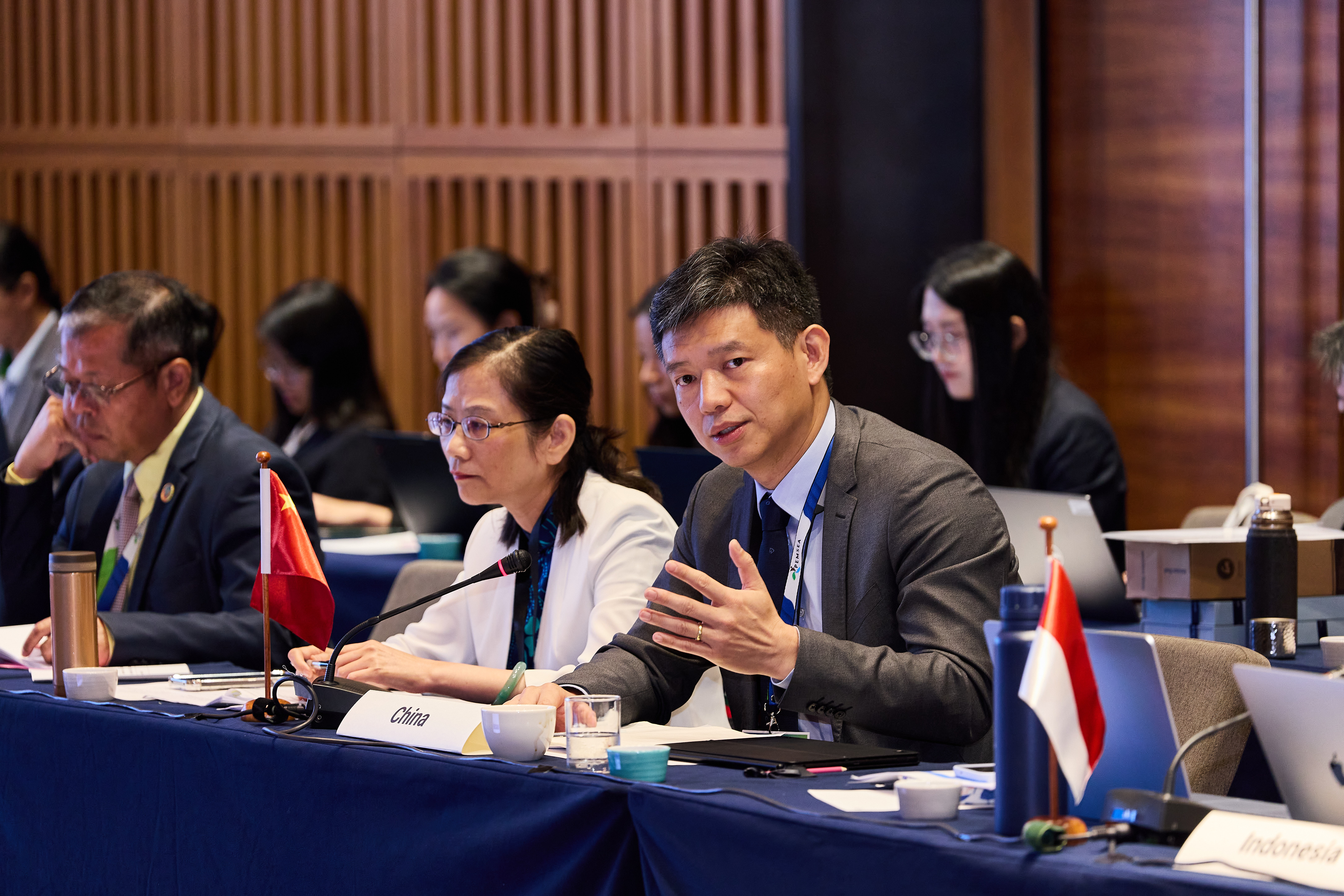
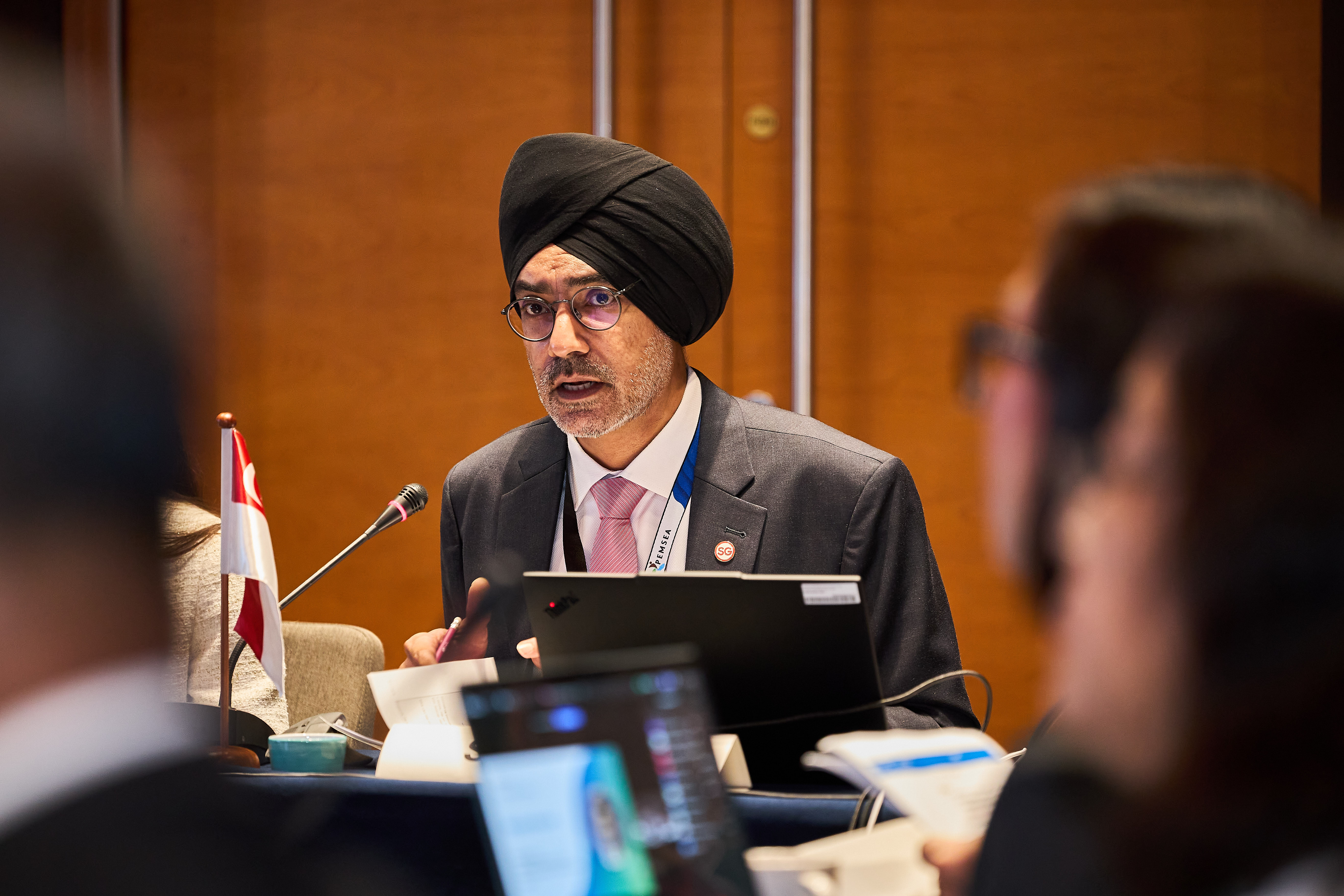
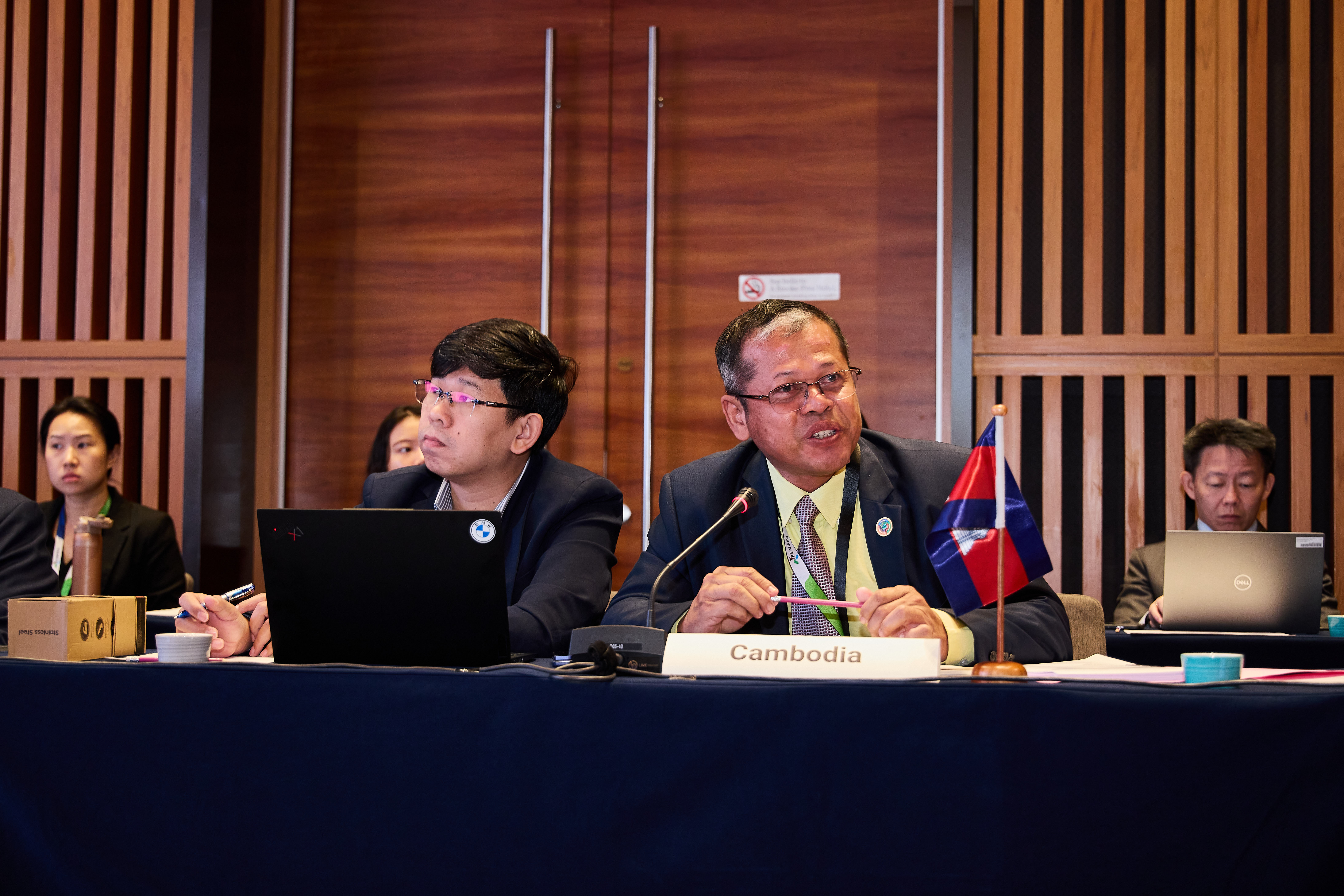
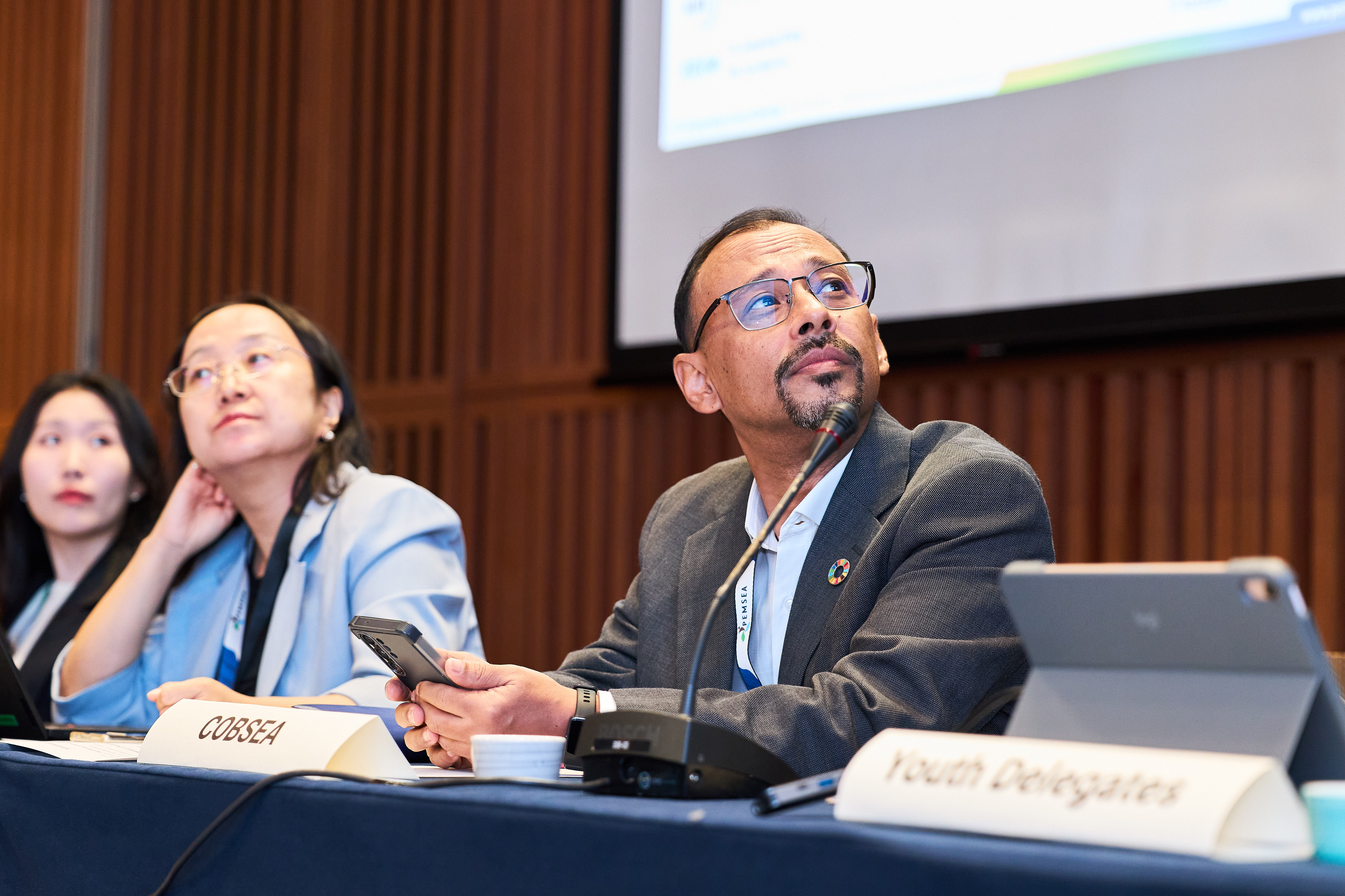
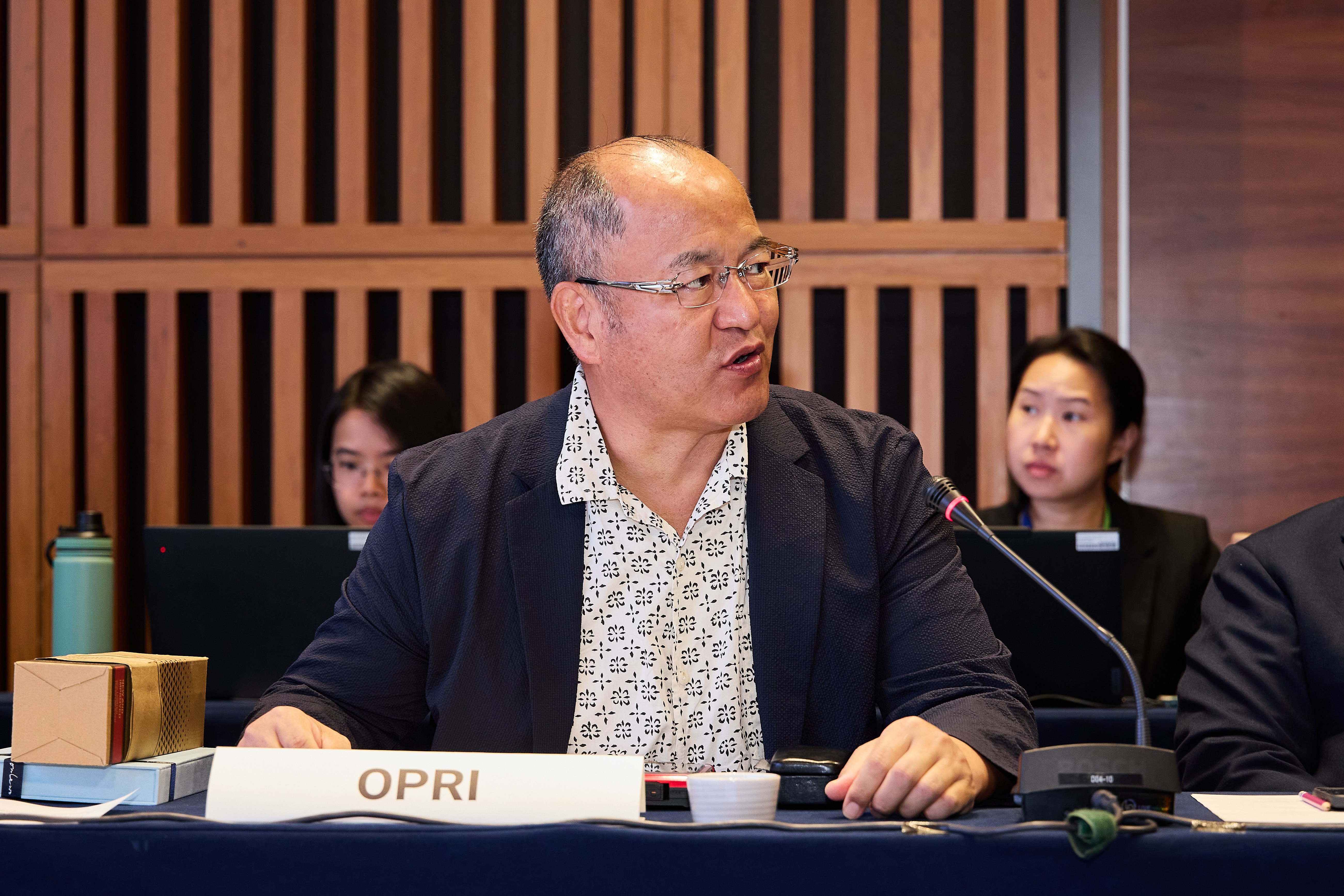
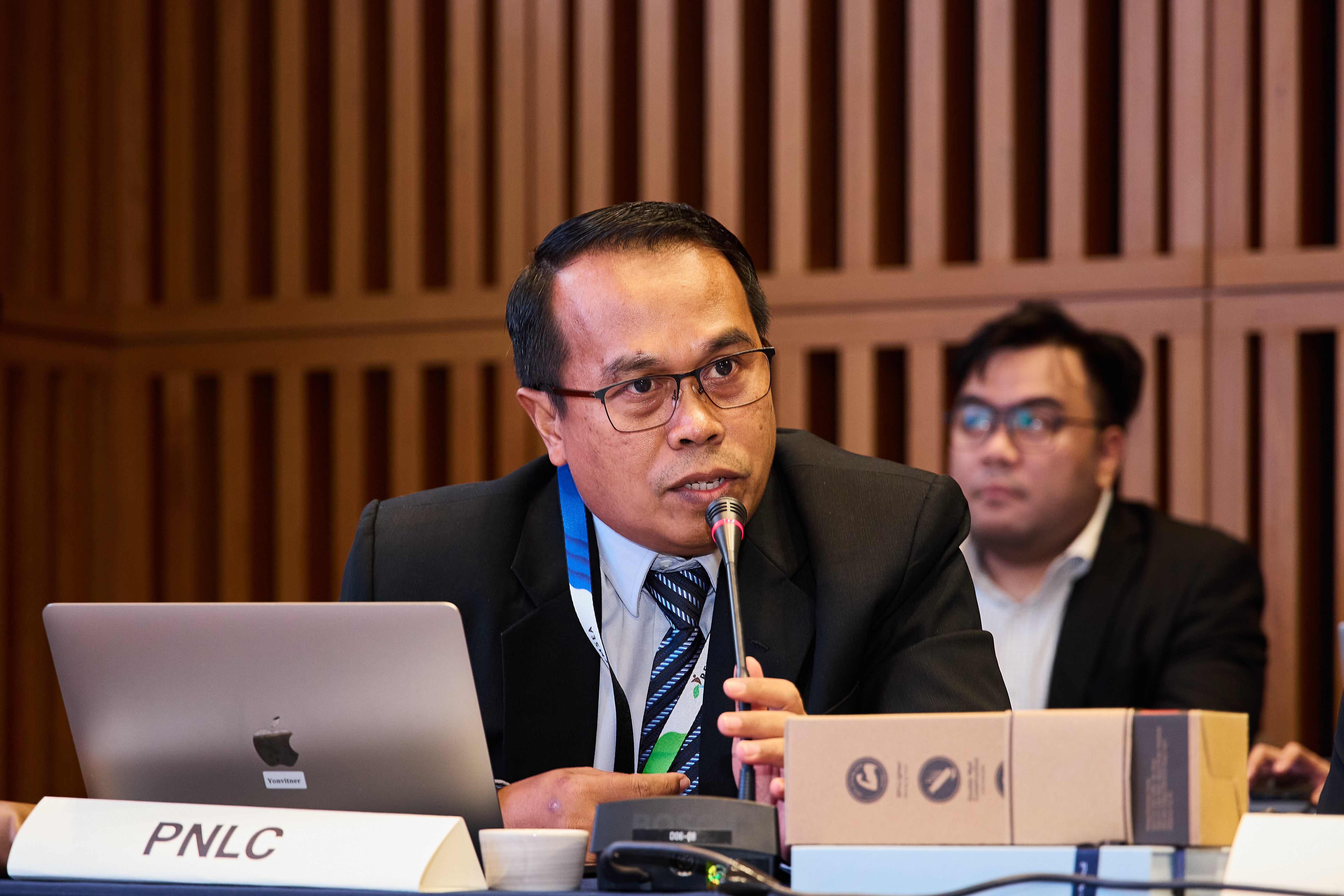
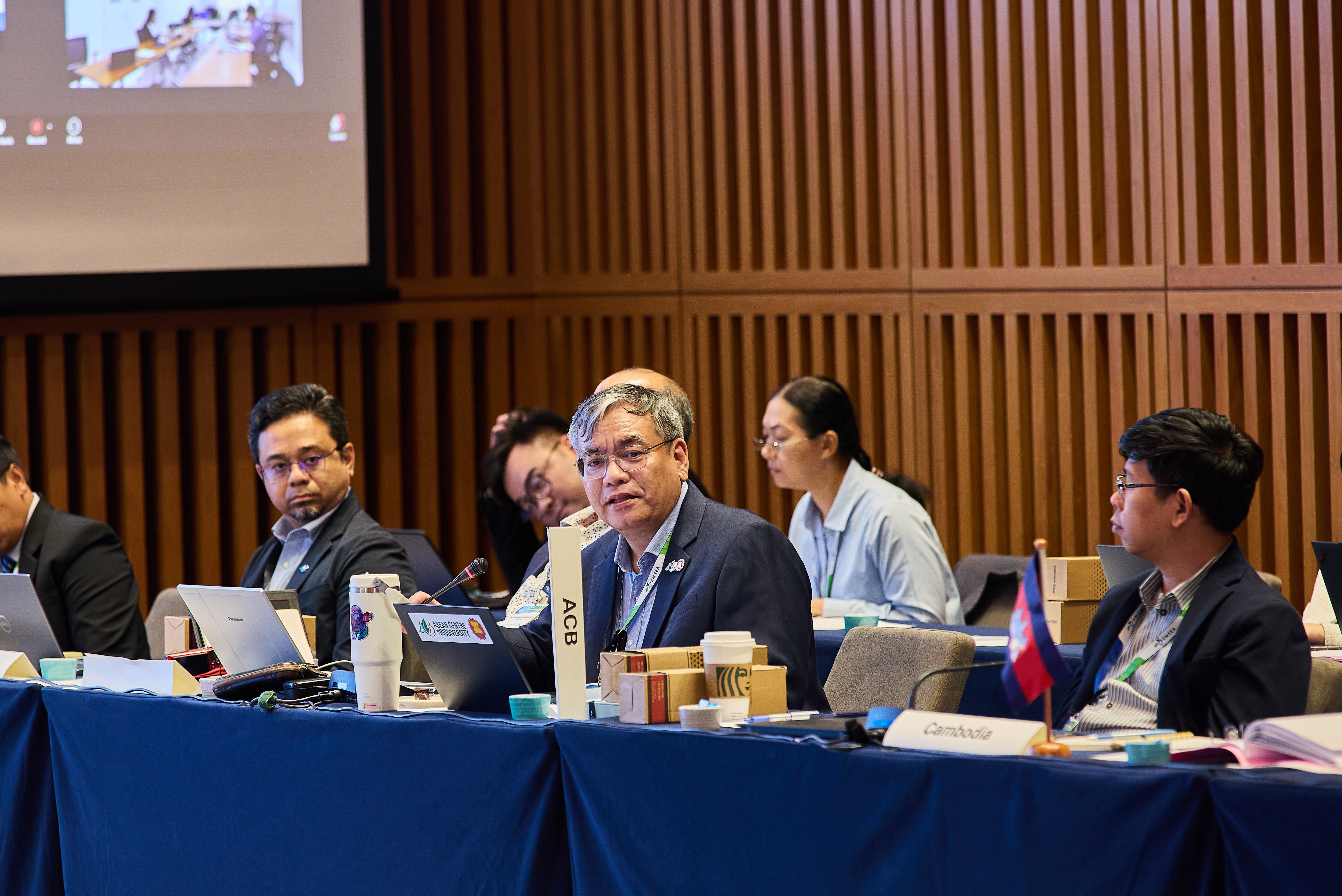
The 18th EAS Partnership Council Meeting brought together Country Partners from Cambodia, China, Indonesia, Japan, Lao PDR, the Philippines, the Republic of Korea, Singapore, Timor-Leste, and Viet Nam.
 |  |
 |  |
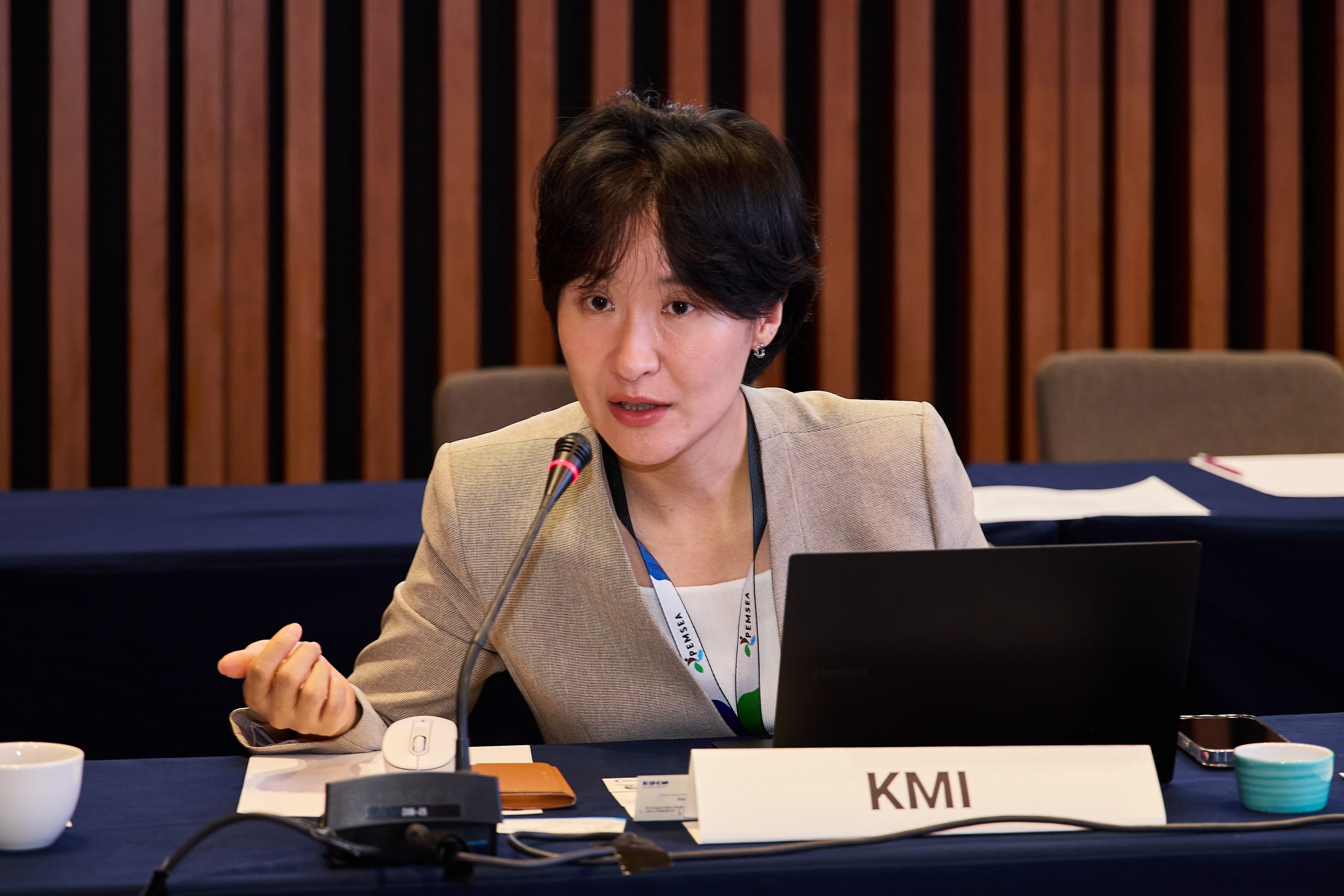 | 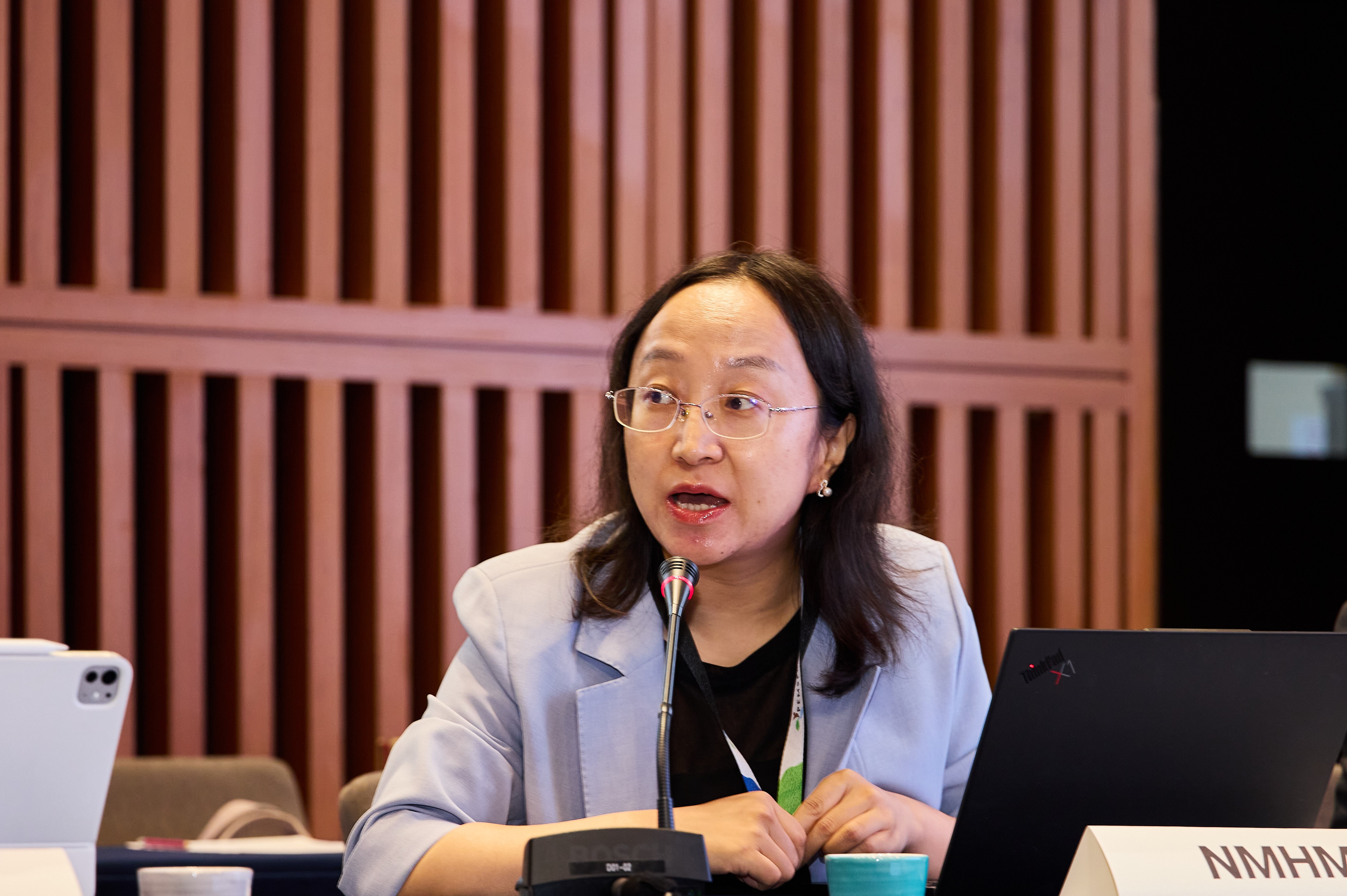 |
Non-Country Partners, including the ASEAN Centre for Biodiversity (ACB), the Korea Institute of Ocean Science and Technology (KIOST), collaborators such as Coordinating Body on the Seas of East Asia (COBSEA), among many others, actively contributed to technical discussions and reaffirmed their commitment to strengthening regional collaboration in support of sustainable ocean governance and the implementation of the SDS-SEA.
This year's EAS Partnership Council Meeting is organized by the PEMSEA Resource Facility and hosted by the Government of Singapore through the Ministry of Sustainability and the Environment with support from the Ministry of Foreign Affairs, Ministry of National Development, Ministry of Transport, and National Parks Board of Singapore.
The EAS Partnership Council is the decision-making body that provides policy and operational guidance for the progress of implementing the Sustainable Development Strategy for the Seas of East Asia (SDS-SEA). It steers, monitors, and reviews the ongoing directions of the plan’s implementation at the regional, national and local levels.
Recent Articles
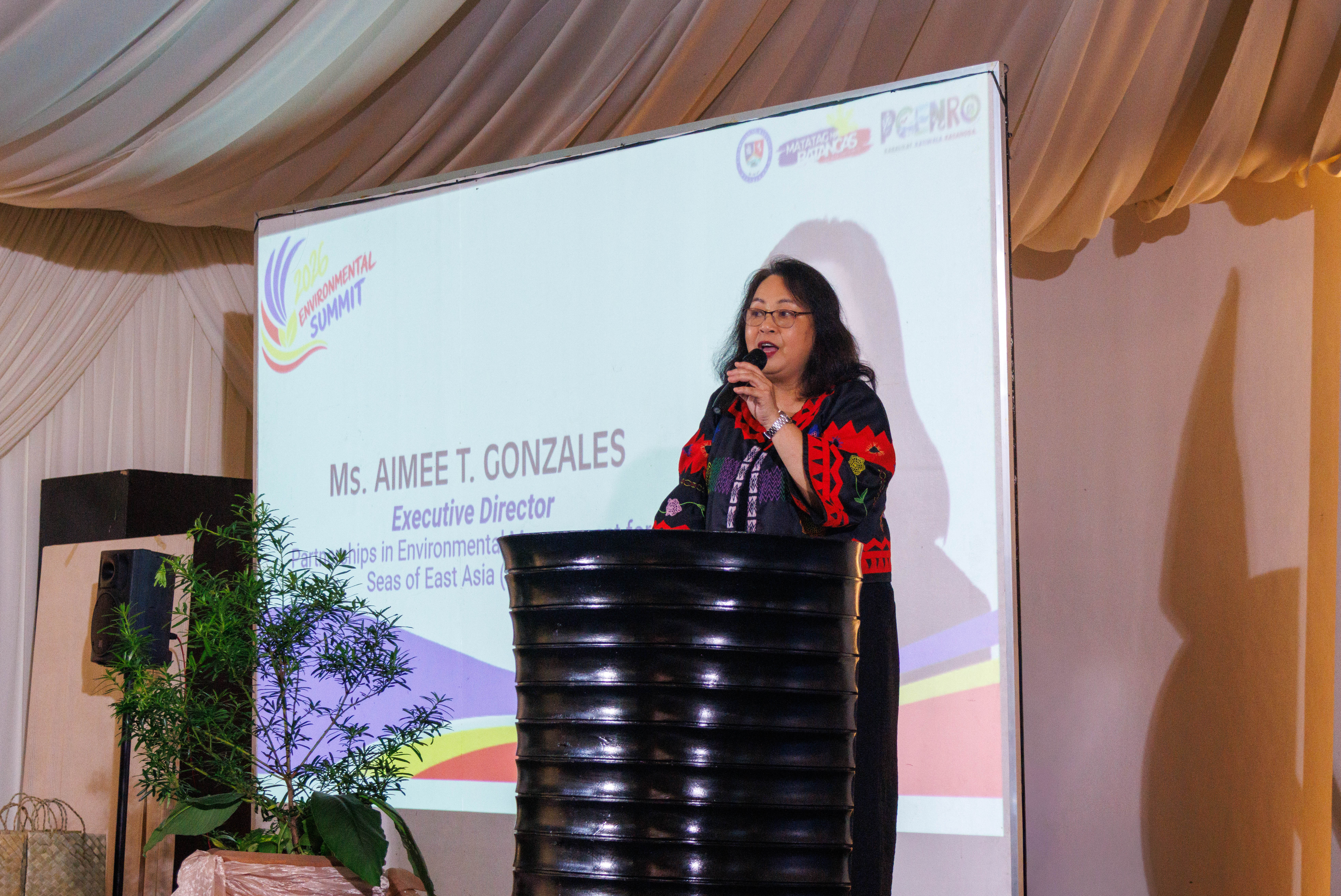
PEMSEA Recognized for Three Decades of Partnership with Batangas Province
Wednesday, 7 October 2026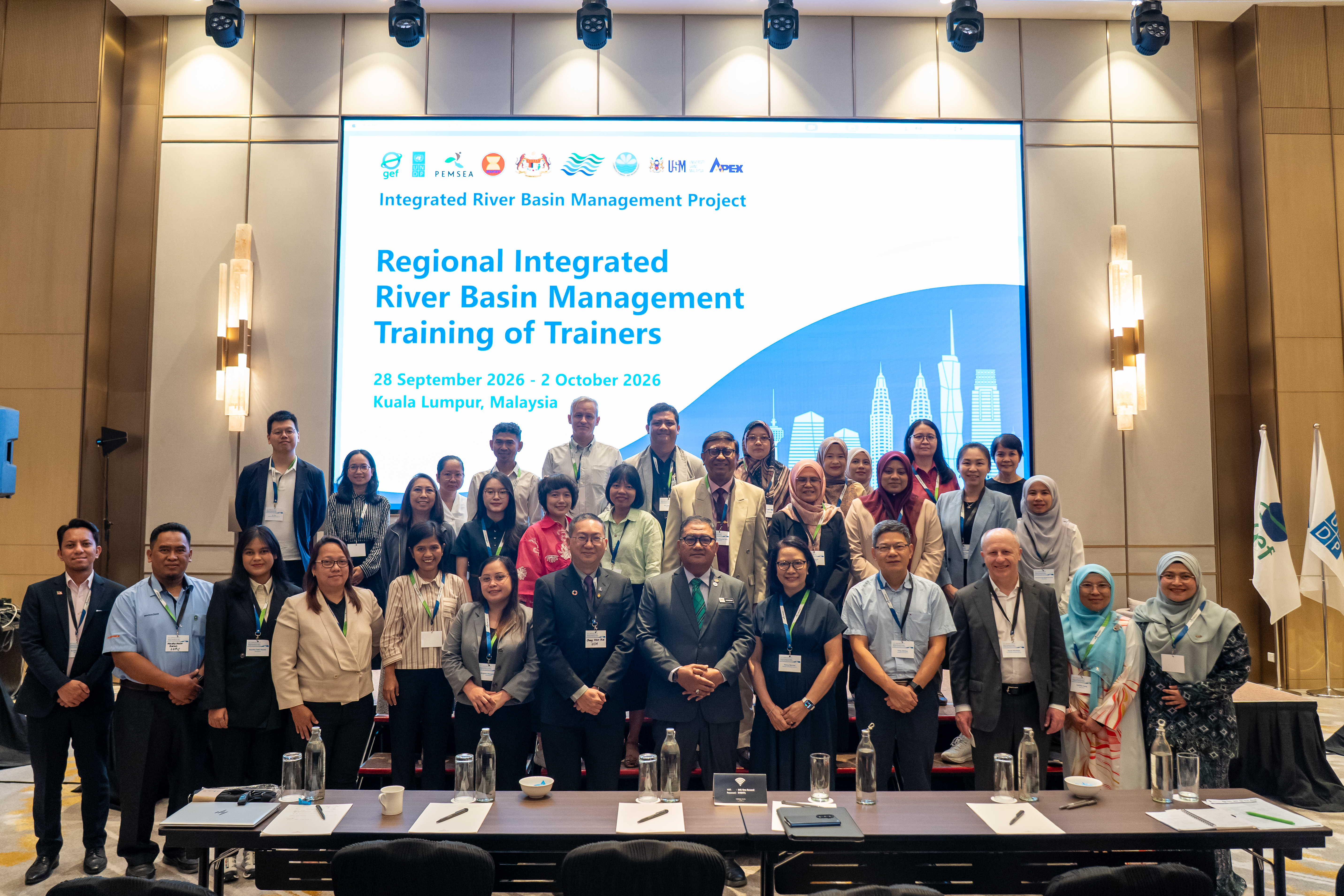
The GEF/UNDP/ASEAN IRBM Project Conducts the Regional Integrated River Basin Management Training of Trainers
Monday, 28 September 2026
"Let This Forum Not Be Remembered for the Words We Spoke, but for the Actions We Inspire": PNLG President's Closing Message Calls for Action Beyond Busan, Republic of Korea
Monday, 21 September 2026
From north to south, local stakeholders convene to protect the Philippine Rise under the PRICELESS Project
Monday, 21 September 2026
PNLG General Assembly Adopts Busan Declaration, Welcomes Atauro Island as New Member
Wednesday, 9 September 2026