
From north to south, local stakeholders convene to protect the Philippine Rise under the PRICELESS Project
Monday, 21 September 2026
Key stakeholders from provincial and local governments, regional government agencies, civil society organizations, fisherfolk groups, and academic institutions successfully convened from Cagayan in the north to Catanduanes in the south for the series of regional Echo-Inception workshops conducted by the Philippine Rise Integrated Conservation for Enduring Legacies through Ecosystem Support Services (PRICELESS) Project from August to September.
The PRICELESS Project is an initiative led by the Department of Environment and Natural Resources – Biodiversity Management Bureau (DENR-BMB), supported by the PEMSEA Resource Facility, and funded by the Conservation International-Global Environment Facility (CI-GEF), to conserve and better manage the Philippine Rise Marine Resource Reserve (PRMRR).
The Echo-Inception workshops were conducted in the provinces of Camarines Sur, Camarines Norte, Albay, and Catanduanes in Region V; Isabela and Cagayan in Region II; Aurora in Region III; and Quezon in Region IV-A.
 |  |
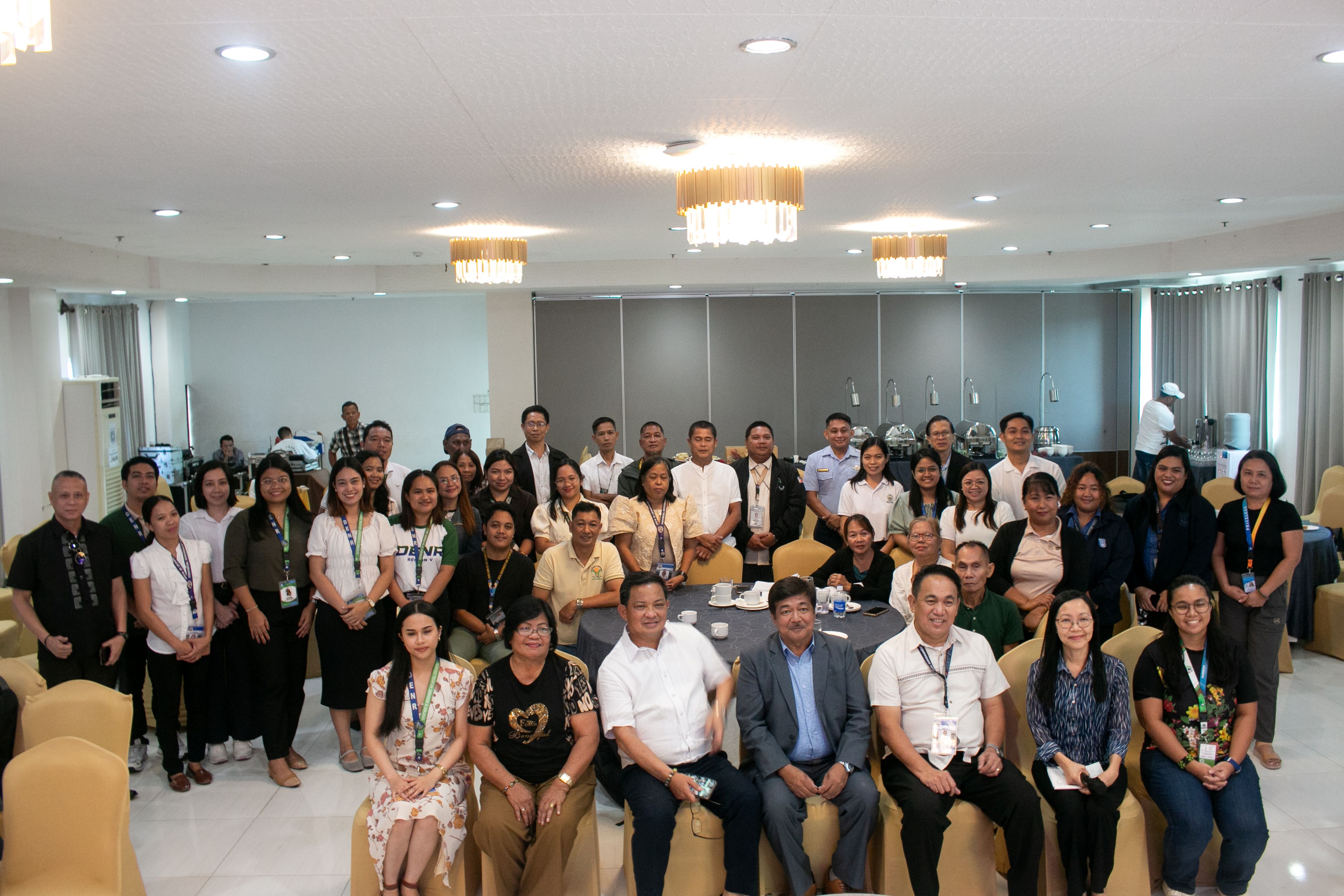 | 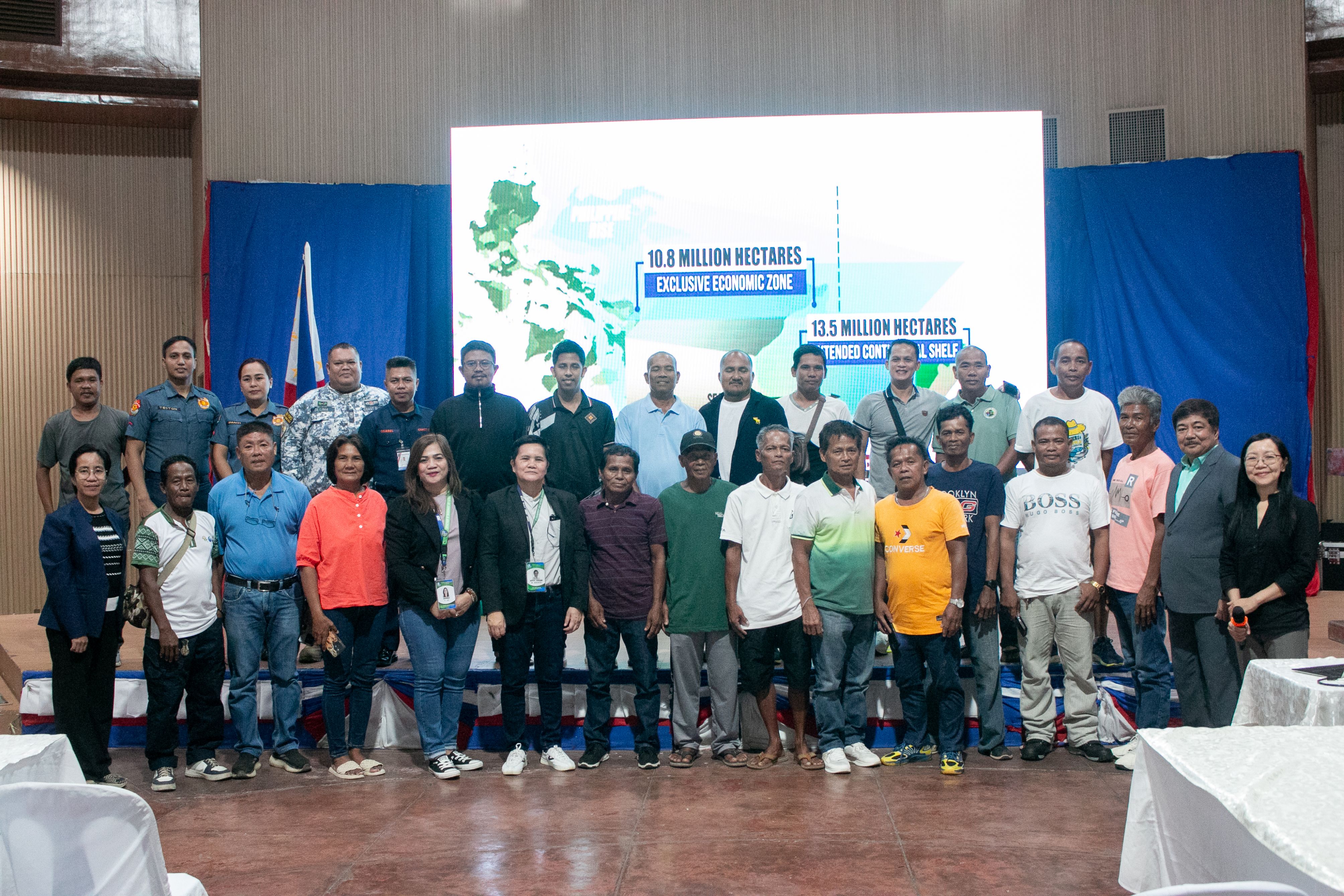 |
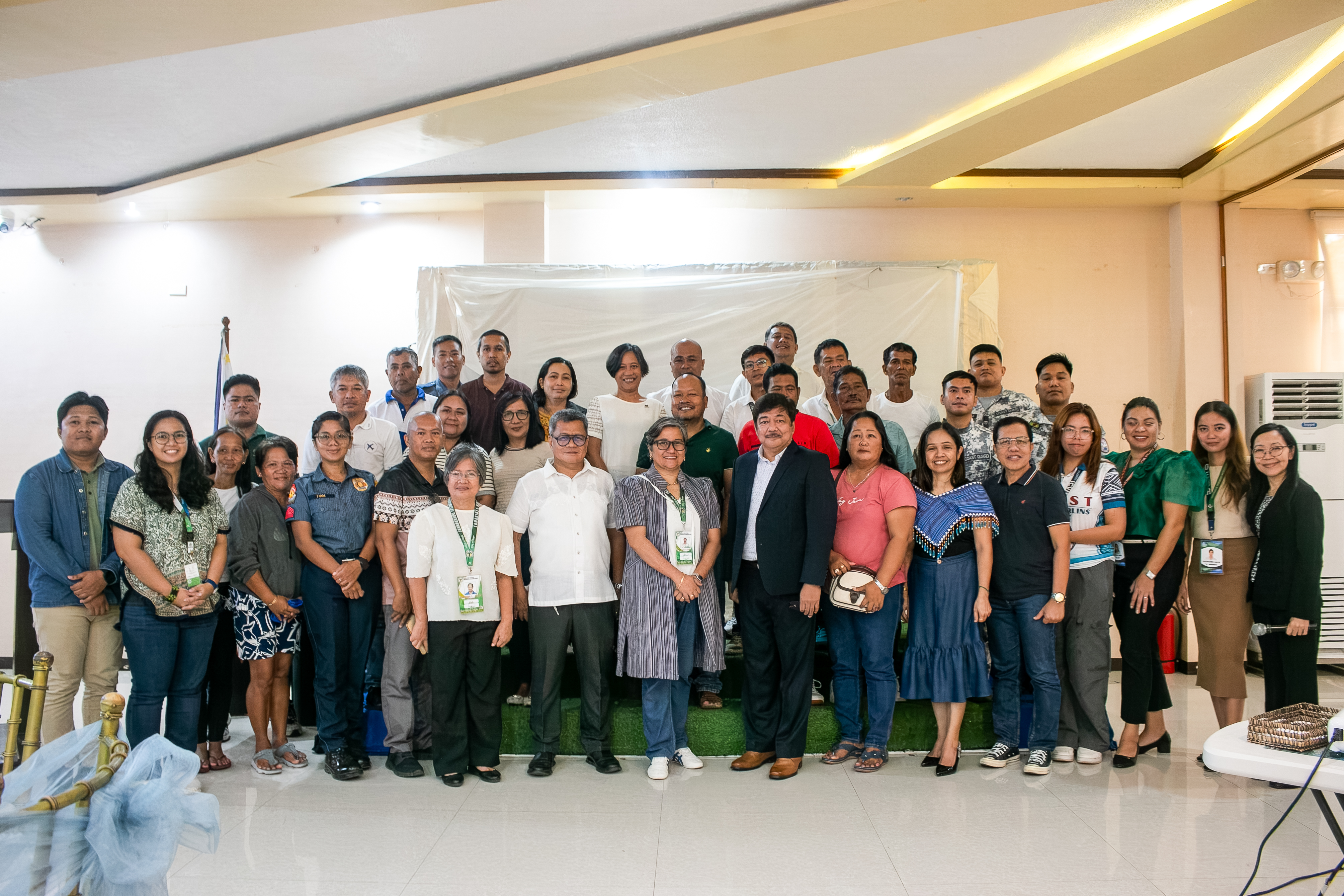
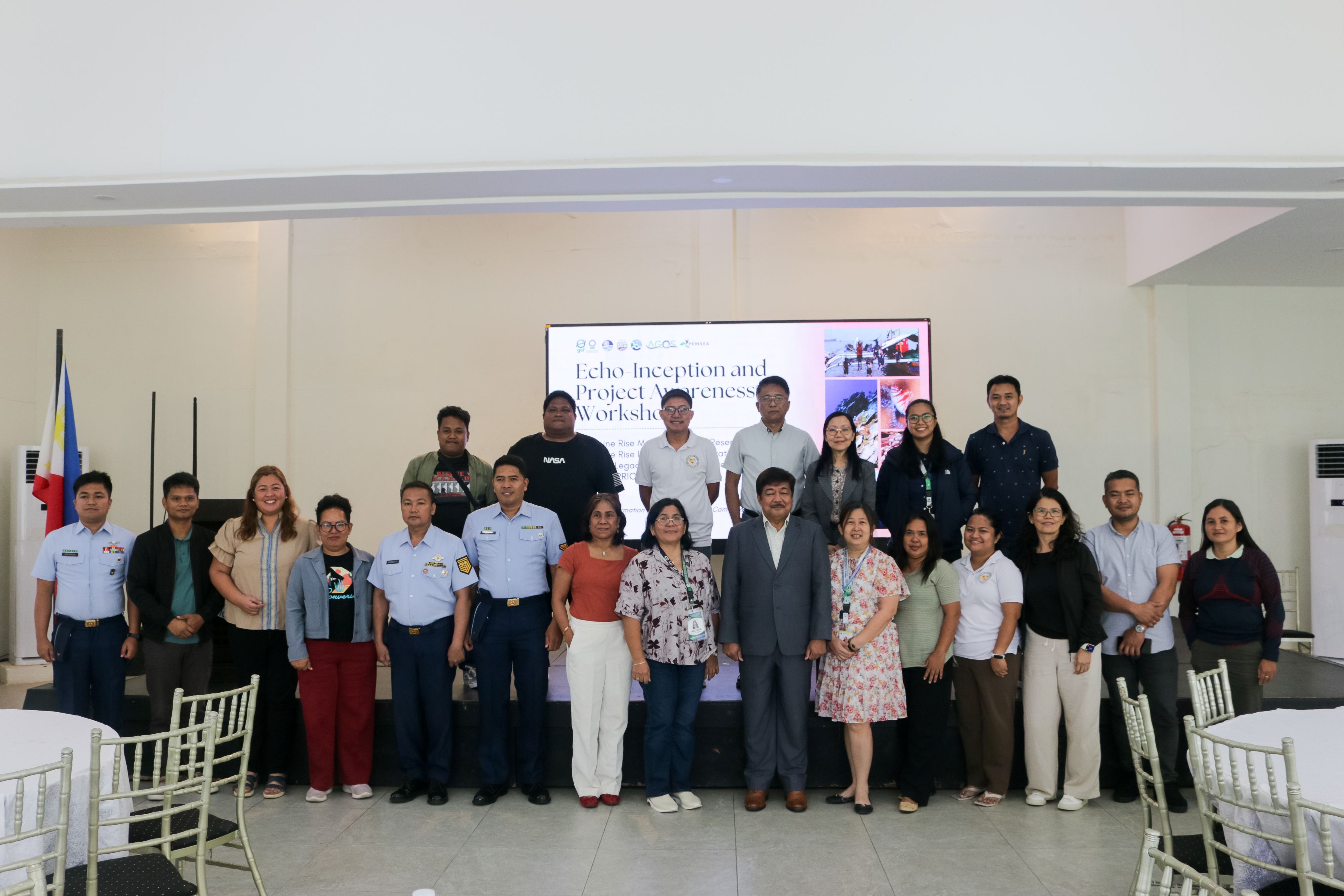
PRICELESS Project Echo-Inception and Project Awareness Workshops in Region V, held from 3-11 August 2026 (from left to right: respective workshops conducted in Camarines Norte, Camarines Sur, Albay, and Catanduanes)
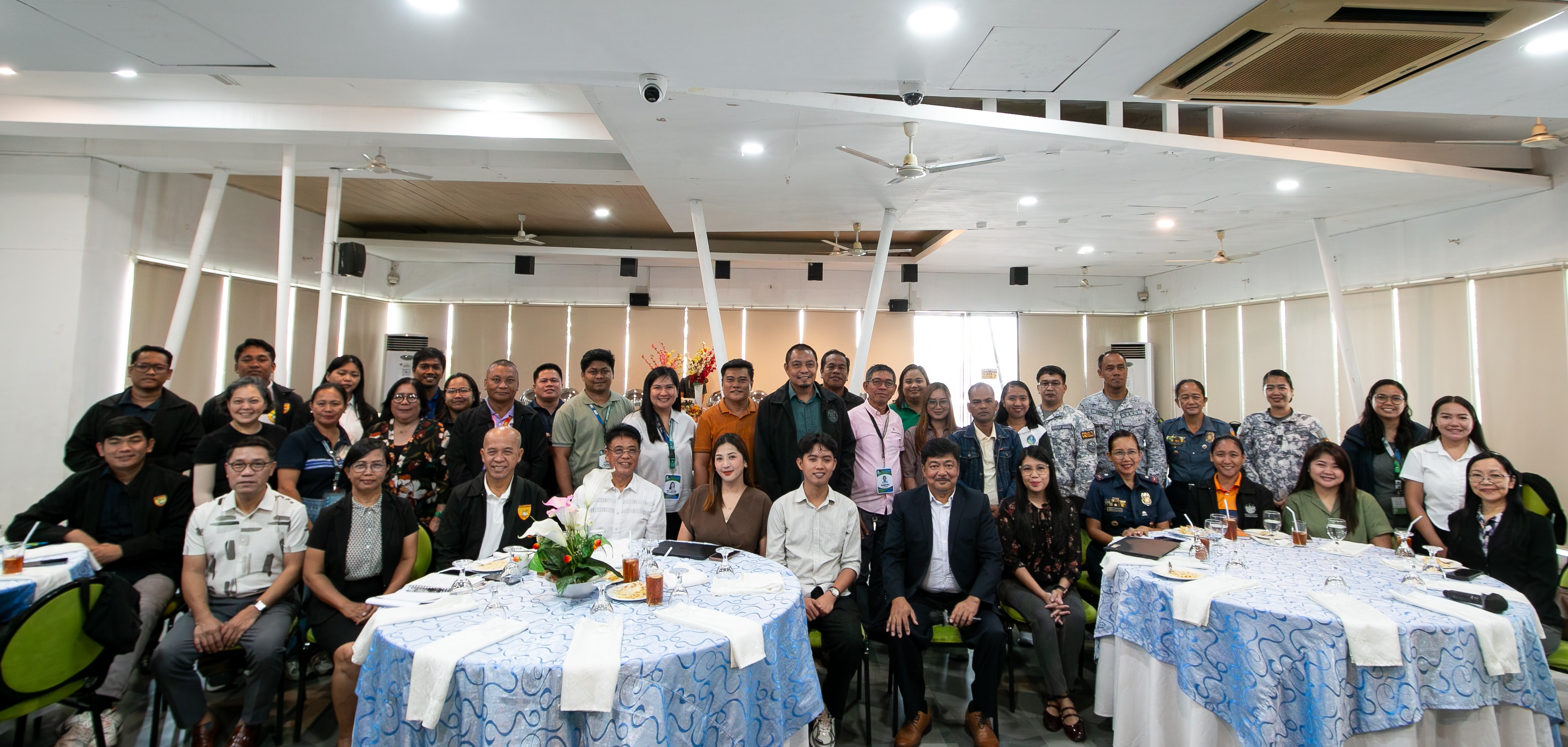 | 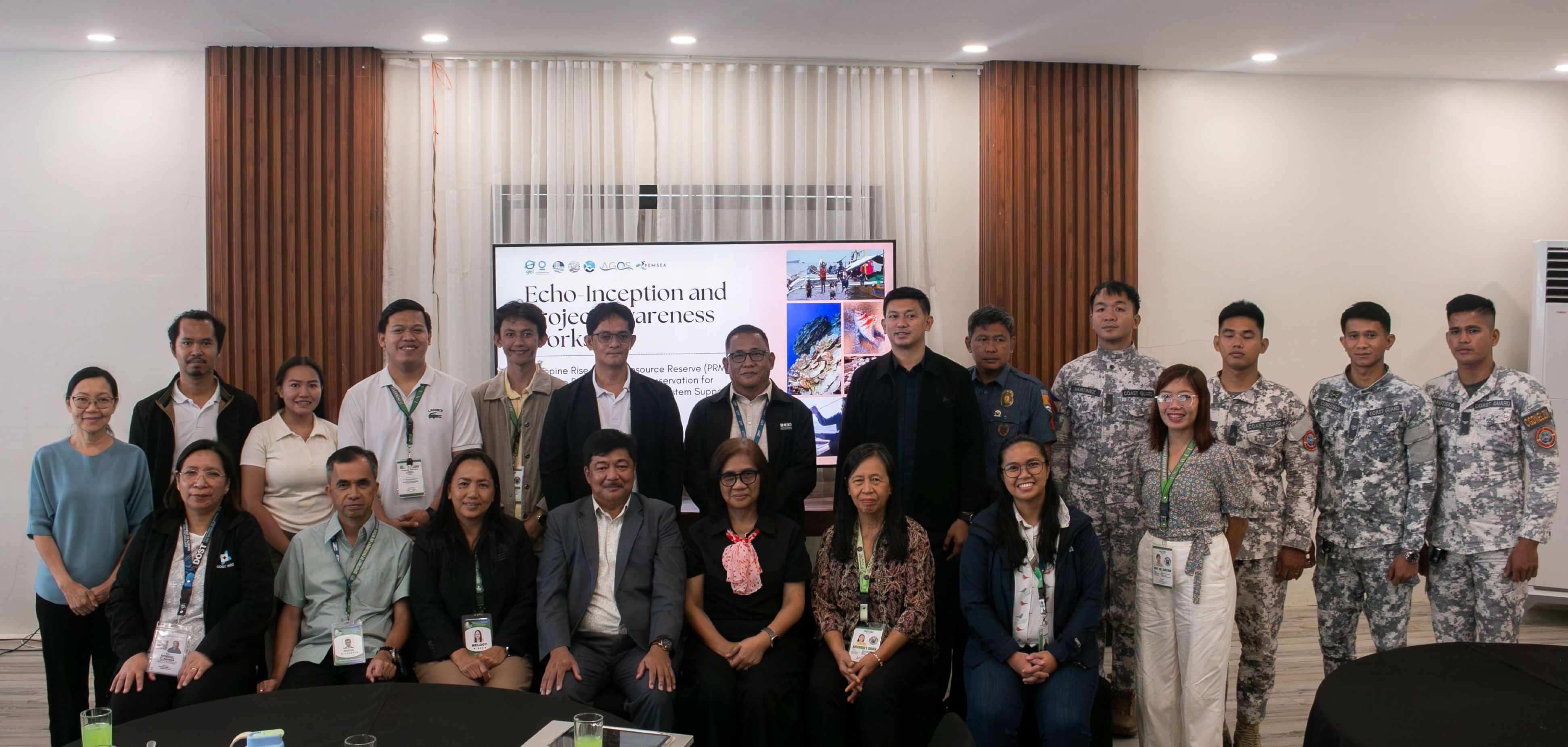 |
PRICELESS Project Echo-Inception and Project Awareness Workshops in Region II, held from 17-18 August 2026 (from left to right: respective workshops conducted in Cagayan and Isabela)
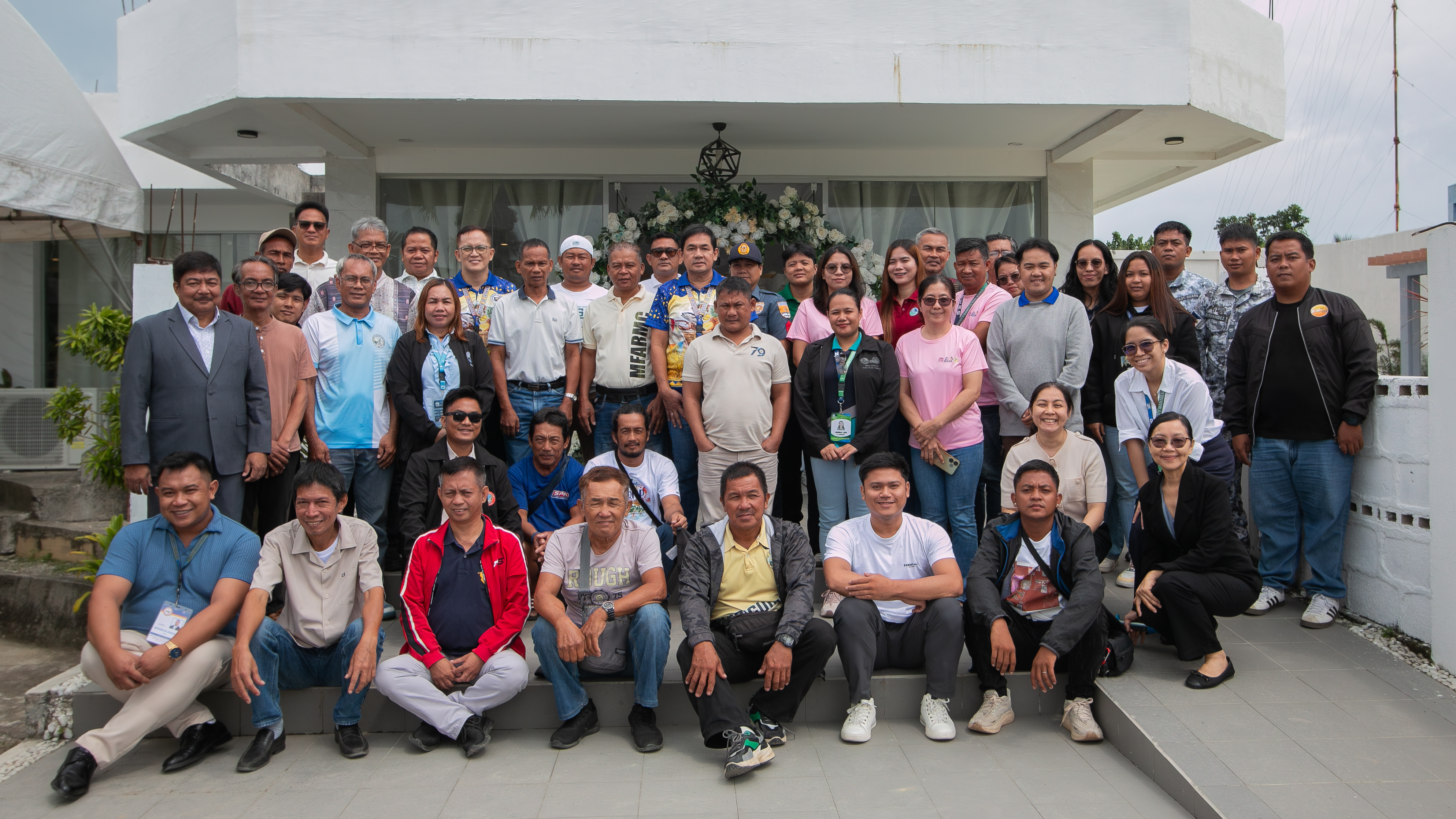
PRICELESS Project Echo-Inception and Project Awareness Workshops in Baler, Aurora for Region III, held on 1 September 2026.
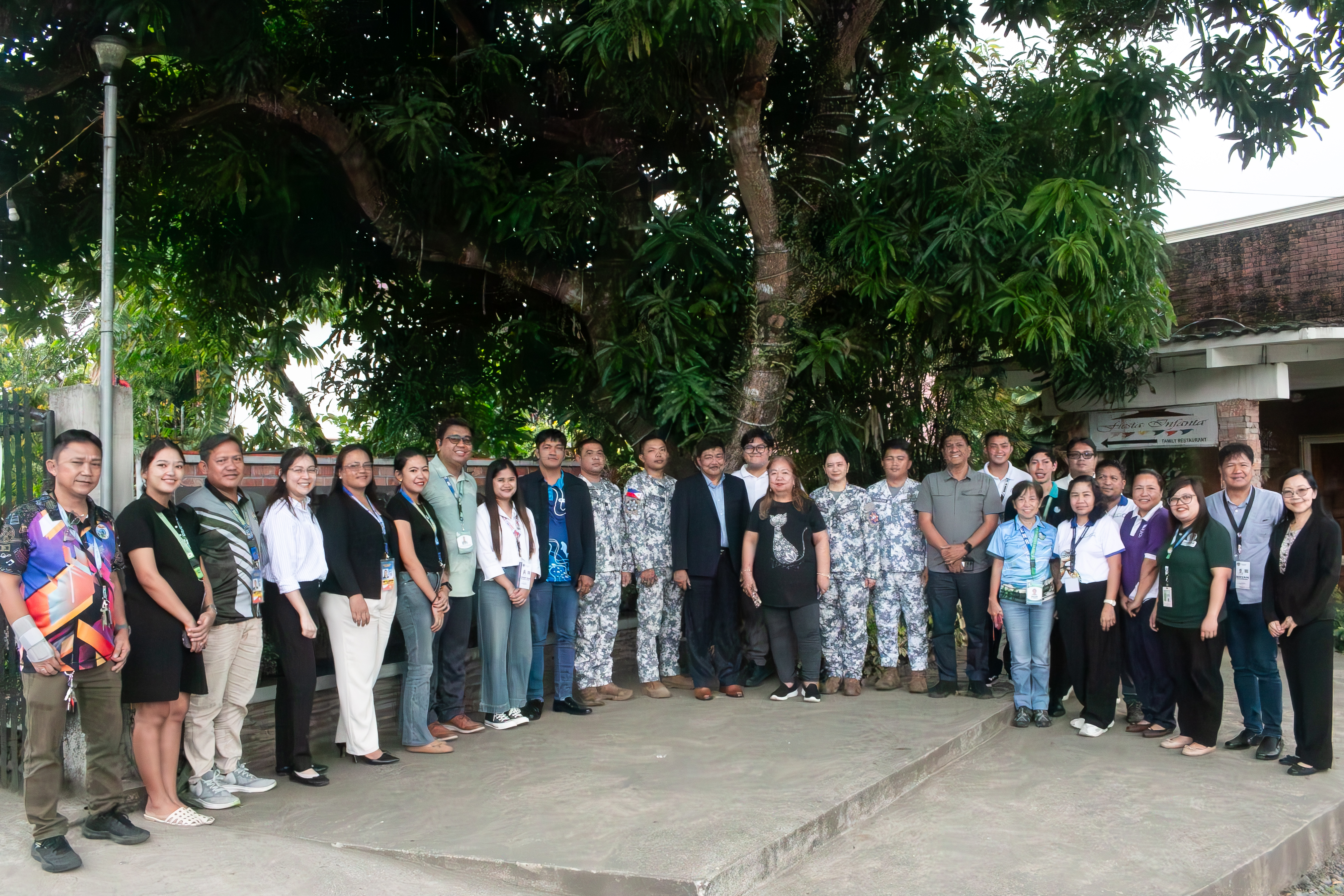
PRICELESS Project Echo-Inception and Project Awareness Workshops in Infanta, Quezon for Region IV-A, held on 7 September 2026.
The workshops were attended by key representatives from the provincial governments; local government units (LGUs); regional and local offices of the Department of Environment and Natural Resources (DENR), including its Provincial Environment and Natural Resources Offices (PENROs) and Community Environment and Natural Resources Offices (CENROs), Bureau of Fisheries and Aquatic Resources (BFAR) Regional Field Offices, and Provincial Fisheries Offices, Philippine Coast Guard (PCG), Department of Economy, Planning, and Development (DEPDev) Regional Offices, Department of the Interior and Local Government (DILG), and Department of Science and Technology (DOST). The workshops were also participated by academic institutions, civil society organizations, and fisherfolk associations.
Conservation rooted in local perspectives
The workshops were conducted to inform local stakeholders on the current progress of the project while providing a platform for sharing local knowledge and recommendations to ensure effective on-the-ground implementation of the project.
In Region II, key concerns include the limited accessibility of coastal towns, the lack of available data, and the lack of resources of local enforcement agencies. Among the recommendations raised was the need to strengthen enforcement and monitoring mechanisms and collaboration capacity of different institutions working within the same project sites.
Meanwhile, the importance of meaningful fisherfolk participation in project planning and implementation was highlighted in the Region V workshops. Stakeholders emphasized that fisherfolk should be recognized not only as beneficiaries but also as active partners in the sustainable management and protection of the PRMRR.
In Region III, stakeholders emphasized foreign vessel incursions as a key challenge in managing the Philippine Rise region. The discussions highlighted the need to strengthen monitoring, biodiversity assessments, and institutionalize capacity building initiatives.
Lastly, among the workshop recommendations in Region IV-A was employing a bottom-up approach in policy and management planning, including implementing greater provincial representation in the PRMRR Protected Area Management Board (PAMB). The discussions also highlighted the need for the development of a centralized information management system and dissemination of updated biodiversity baseline data for the PRMRR Strict Protection Zone (SPZ).
On-the-ground engagements with coastal communities
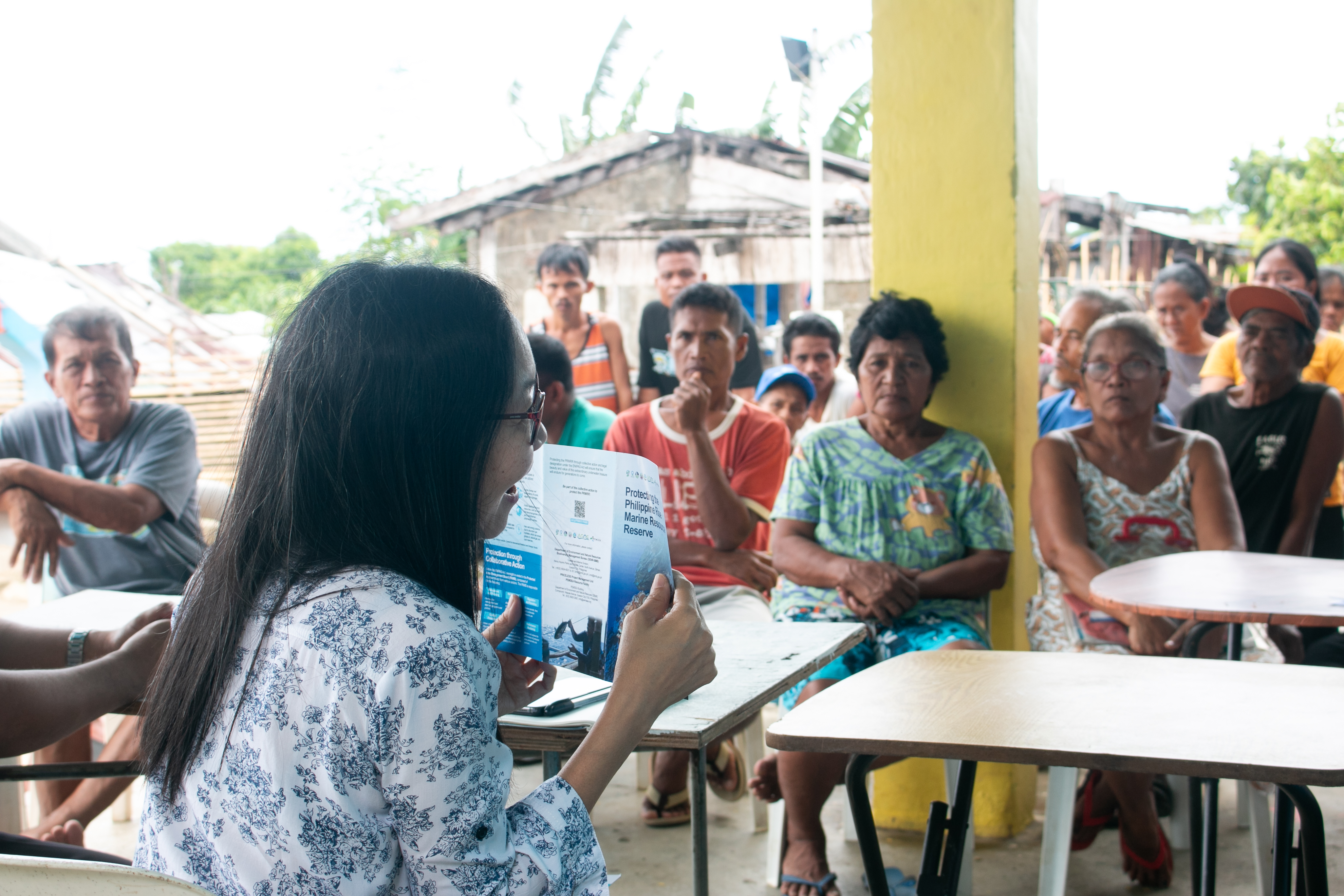
To ensure that the lived experiences and perspectives of grassroots communities were reflected in the workshop outcomes, the project team conducted field visits to coastal communities in Pandan and Caramoran in Catanduanes and Infanta, Quezon.
The visits provided an opportunity to introduce the PRICELESS Project and raise awareness about the importance of protecting the PRMRR, while highlighting the vital role of fisherfolk as partners in its conservation and sustainable management.
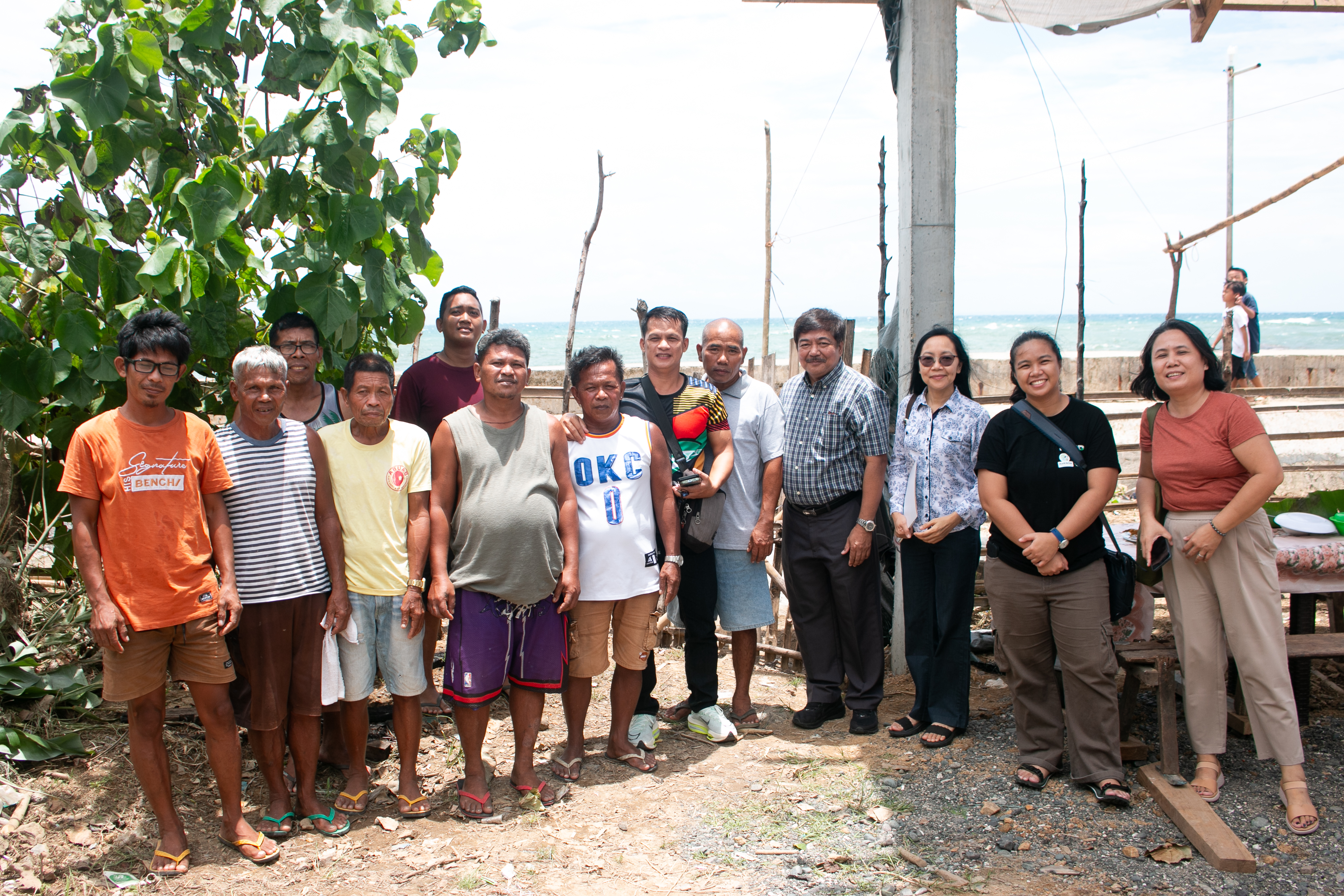
PRICELESS Project’s field visit to the fisherfolk community in Brgy. Tubli, Caramoran, Catanduanes
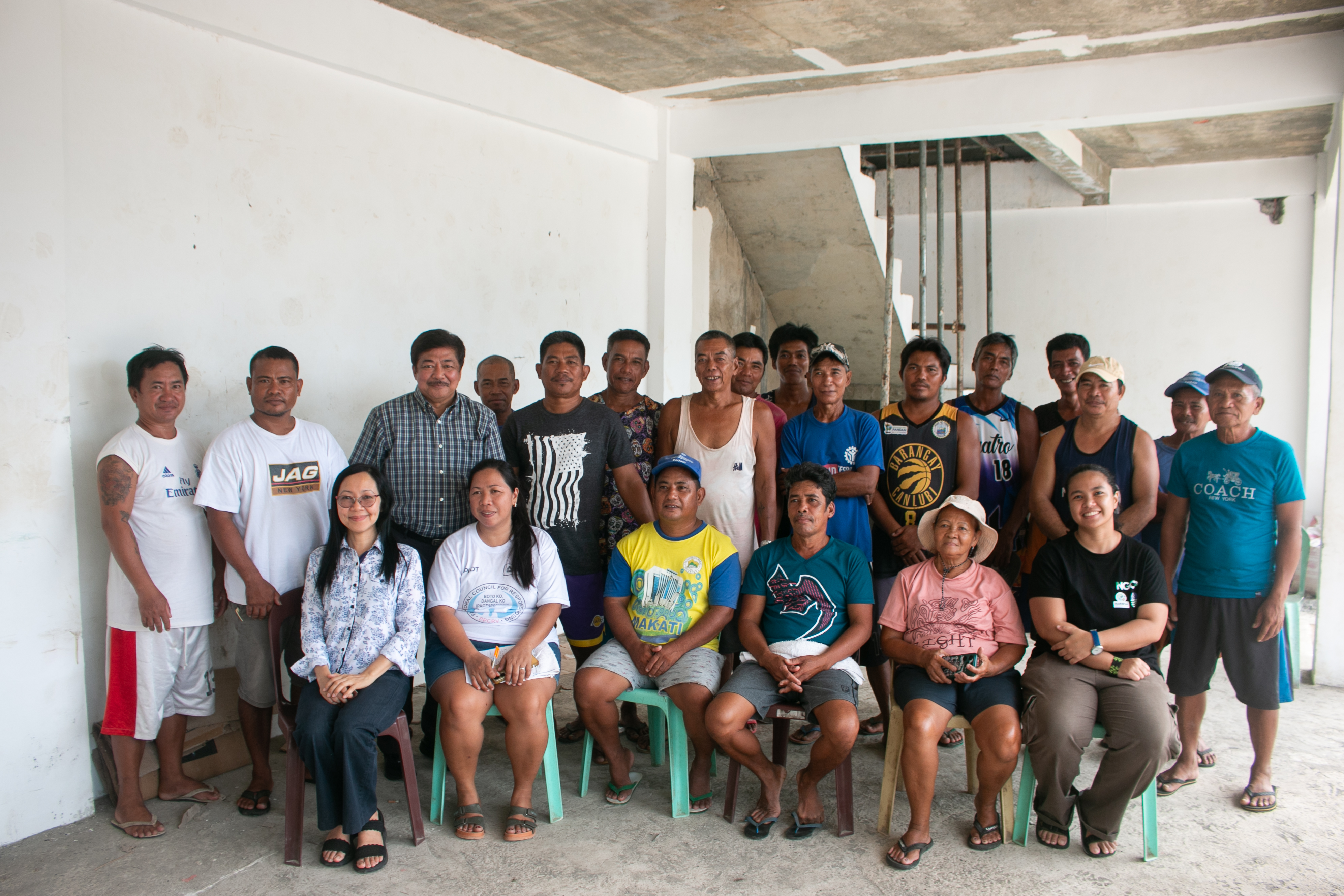 | 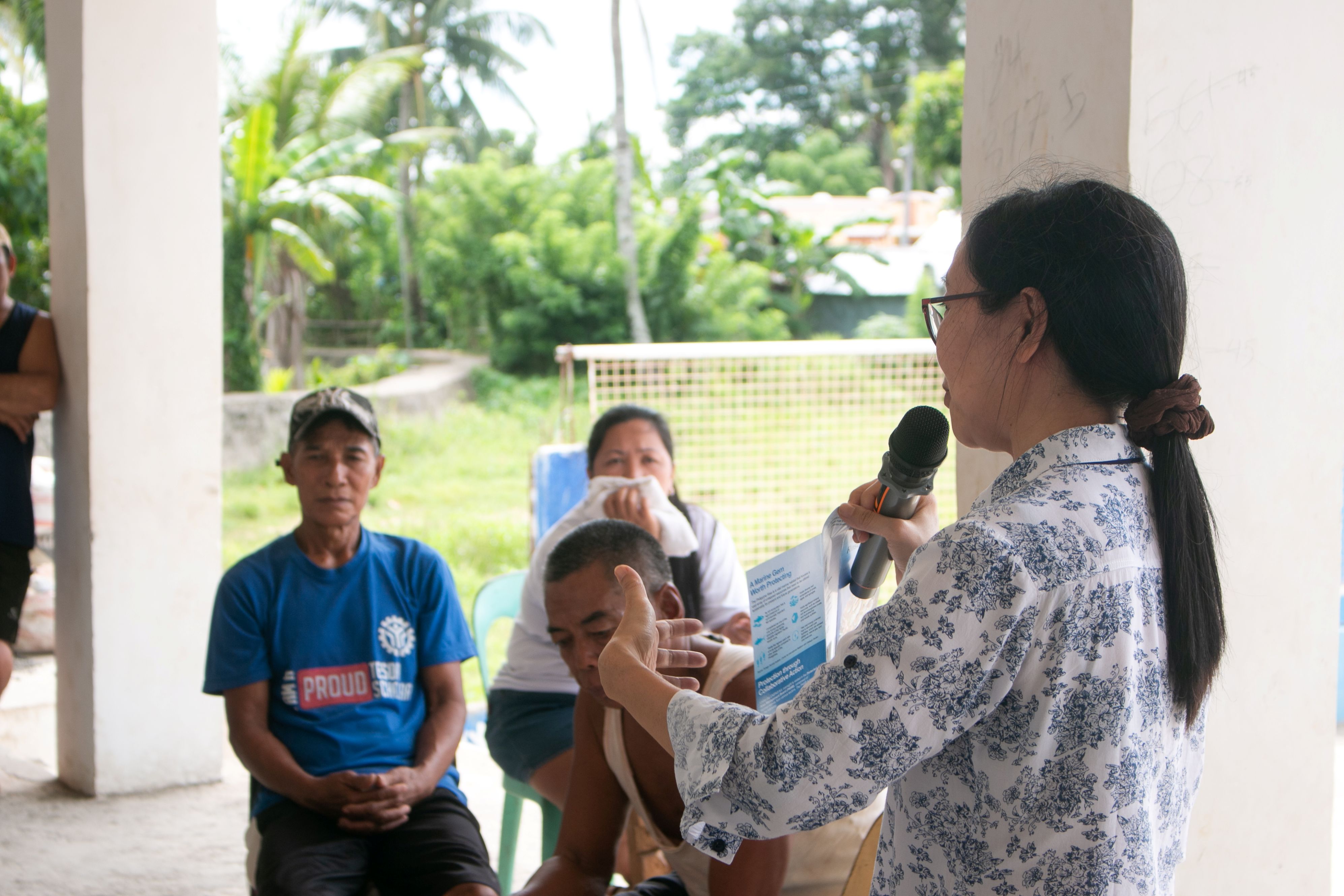 |
PRICELESS Project’s field visit to the fisherfolk community in Brgy. Canlubi, Pandan, Catanduanes
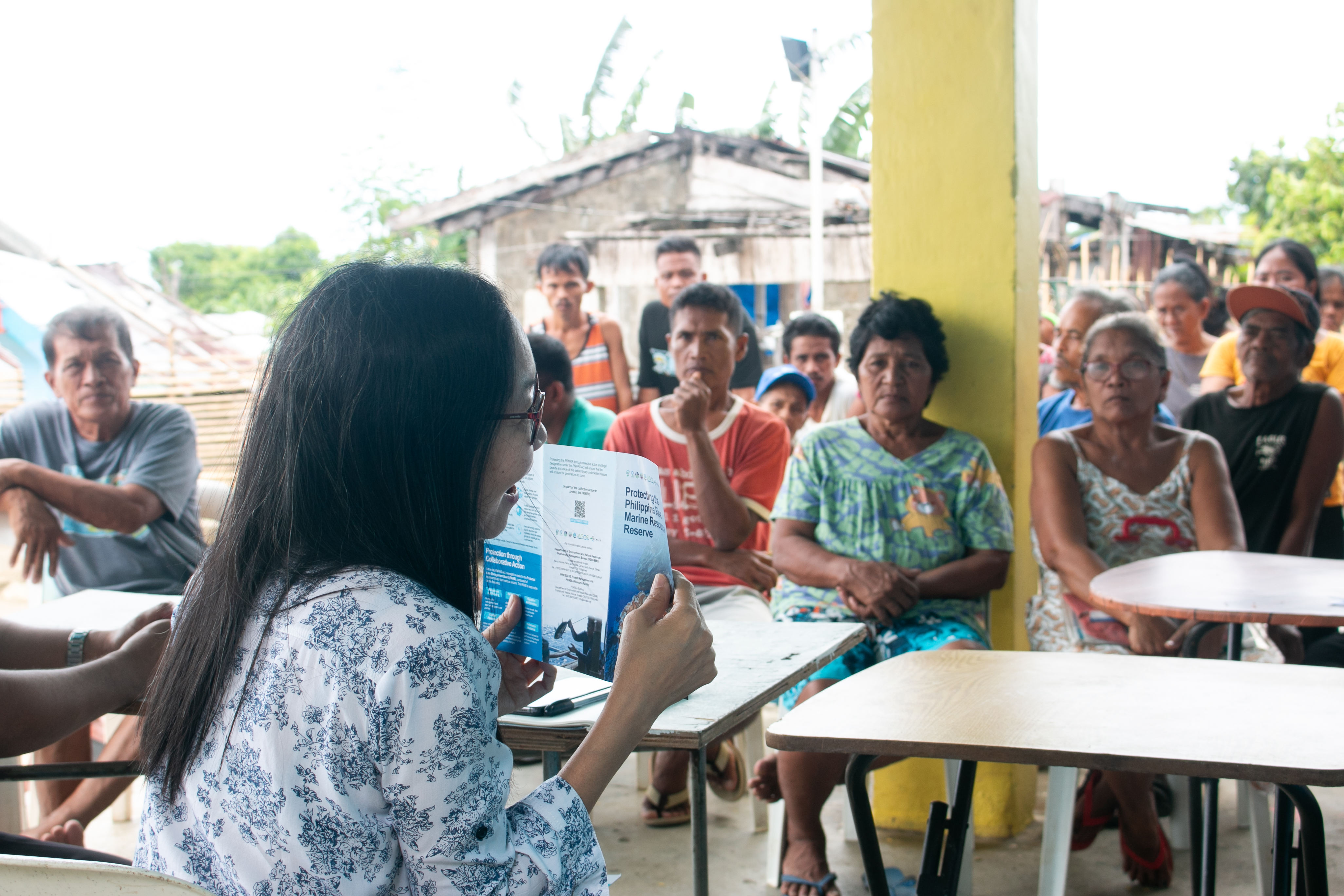 | 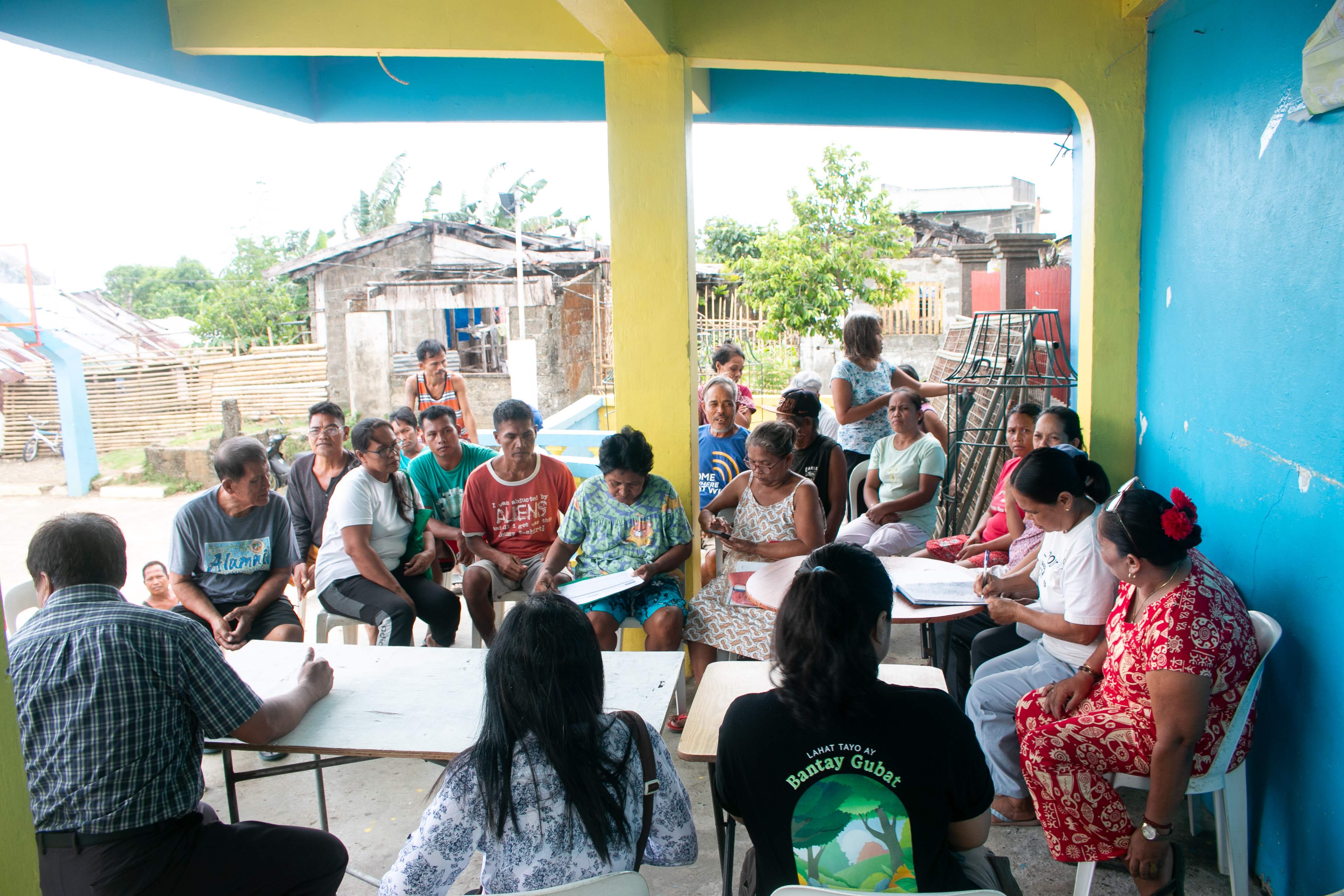 |
PRICELESS Project’s field visit to the fisherfolk community in Brgy. Malaviga, Caramoran, Catanduanes

The project team’s visit to Mr. Andres Autida Jr., a boat captain in Brgy. Dinahican, Infanta, Quezon
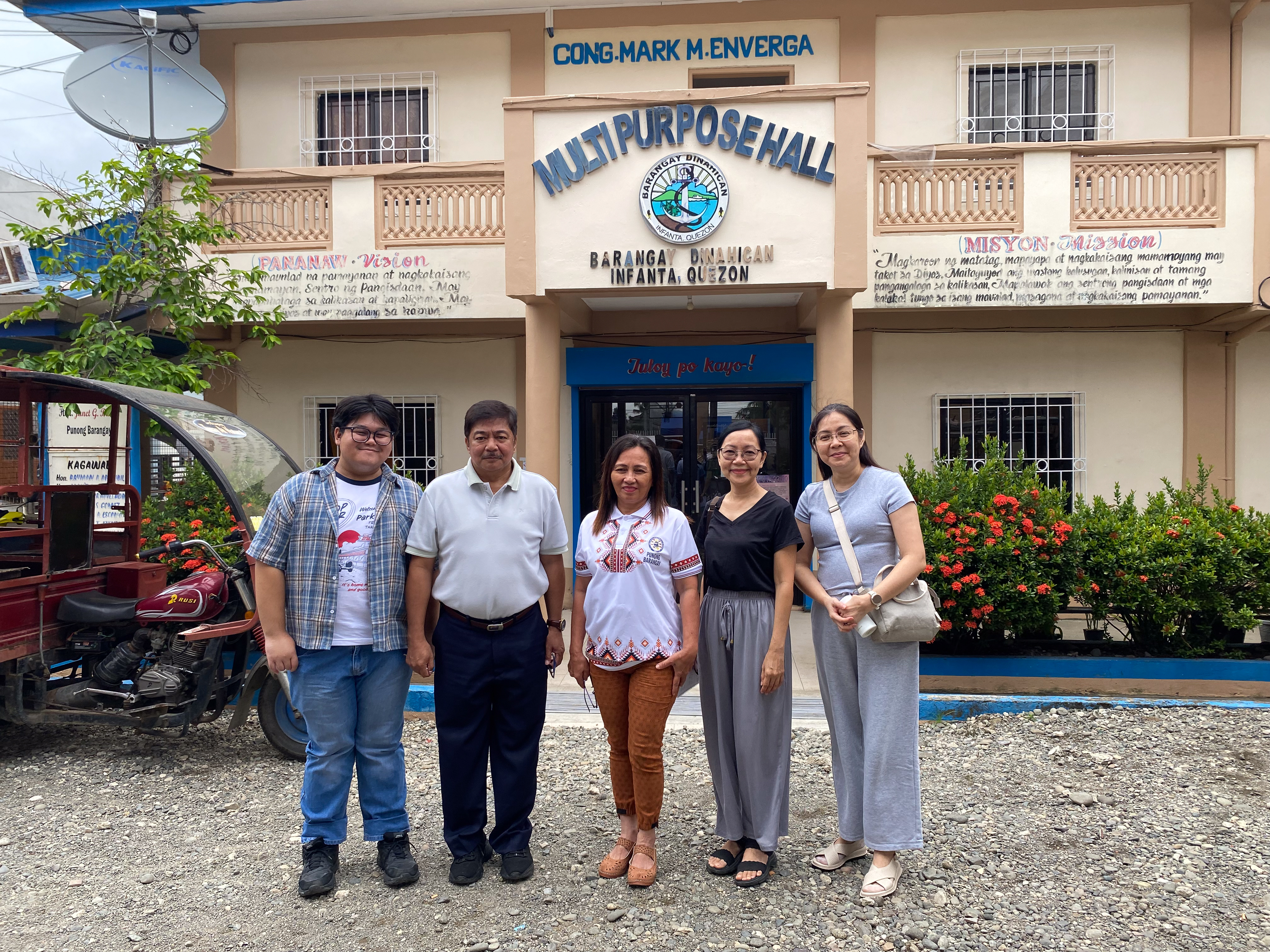
The project team’s visit with Dinahican Barangay Captain Janet G. Balili at the Dinahican Barangay Hall
The results of the regional engagements will be presented to the interim PAMB in its upcoming convening in October. The insights and recommendations gathered from the workshops will also inform the project’s upcoming implementation activities, which ensures participation and rightful ownership of the communities in the protection of the PRMRR and sustainable use of its resources.
Recent Articles
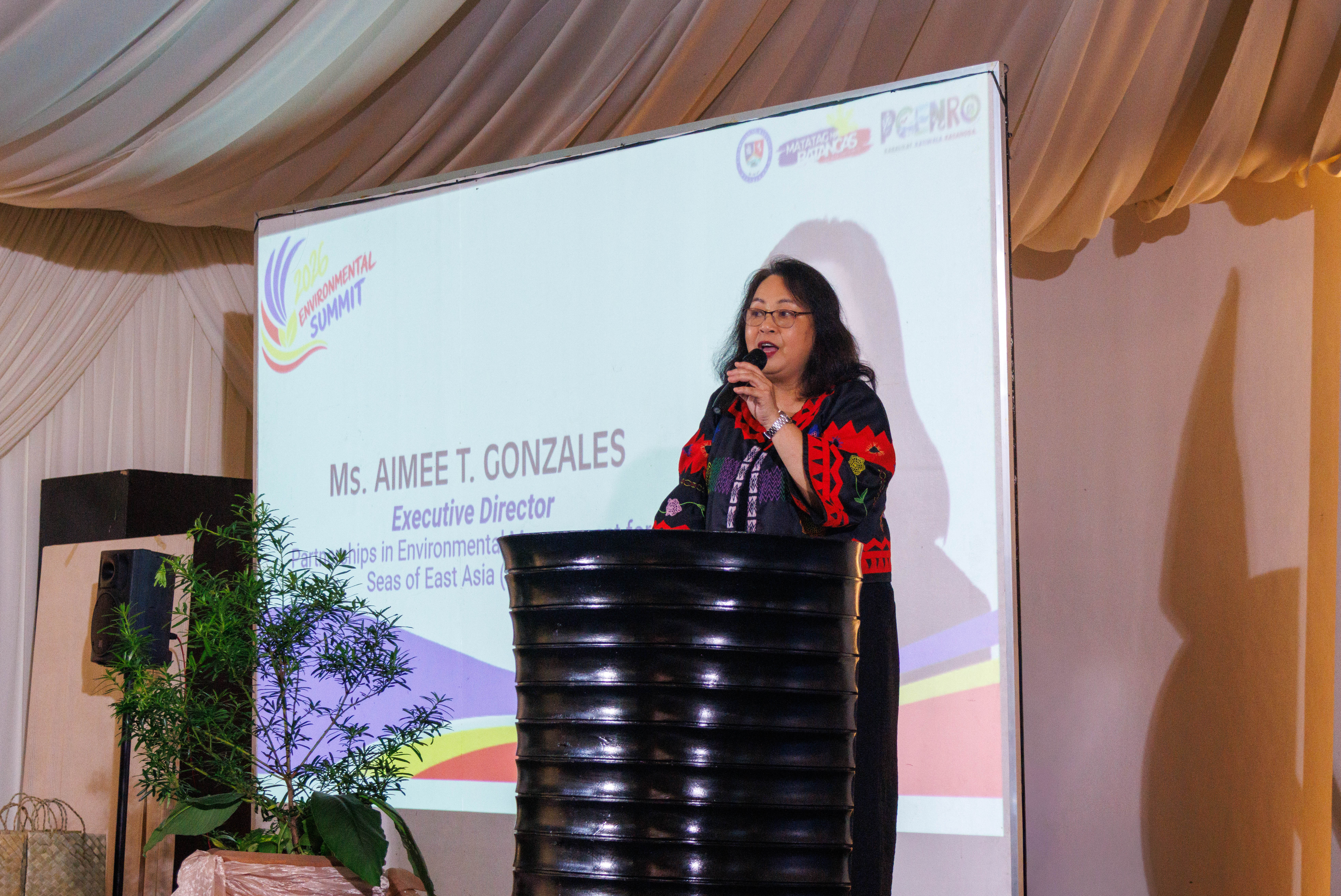
PEMSEA Recognized for Three Decades of Partnership with Batangas Province
Wednesday, 7 October 2026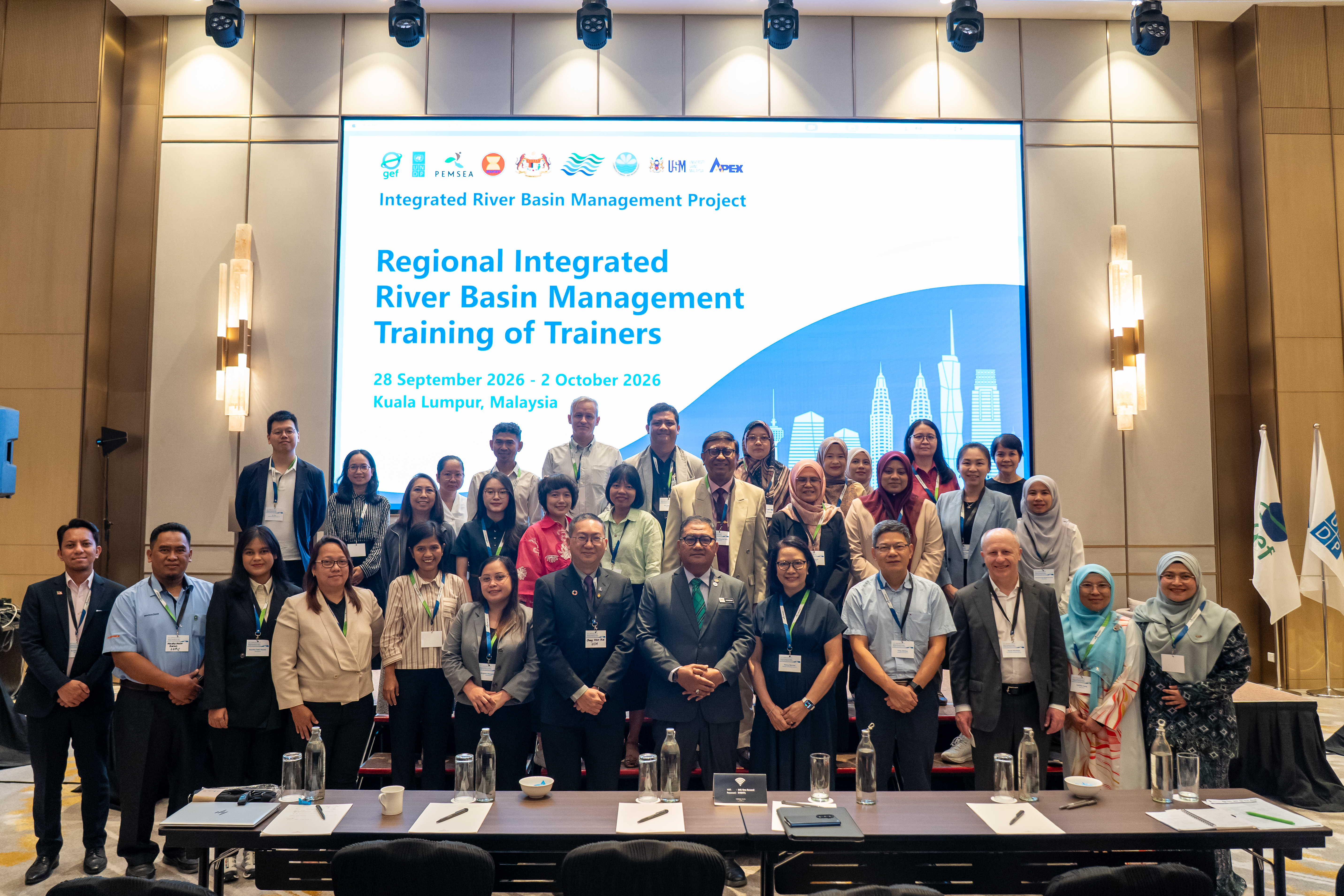
The GEF/UNDP/ASEAN IRBM Project Conducts the Regional Integrated River Basin Management Training of Trainers
Monday, 28 September 2026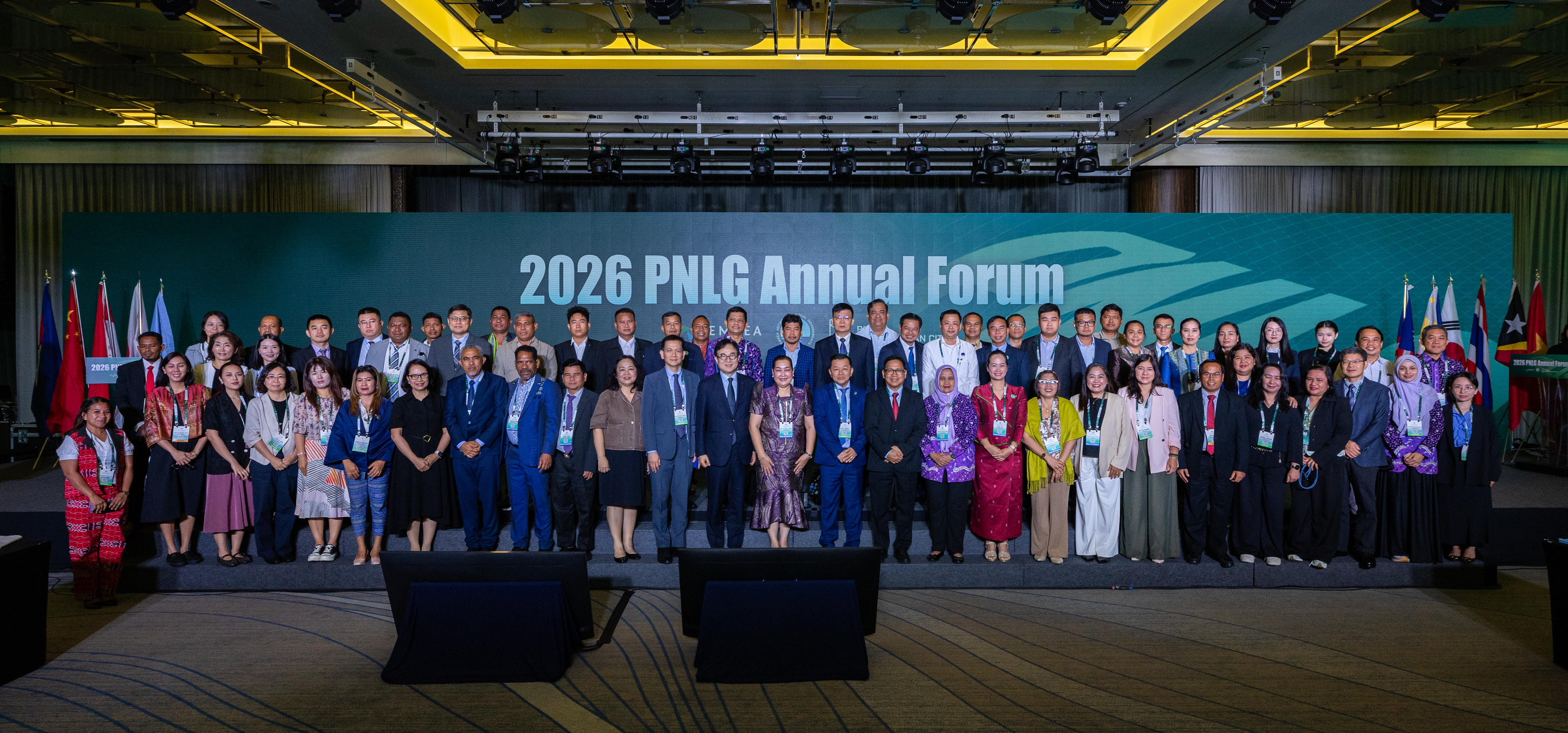
"Let This Forum Not Be Remembered for the Words We Spoke, but for the Actions We Inspire": PNLG President's Closing Message Calls for Action Beyond Busan, Republic of Korea
Monday, 21 September 2026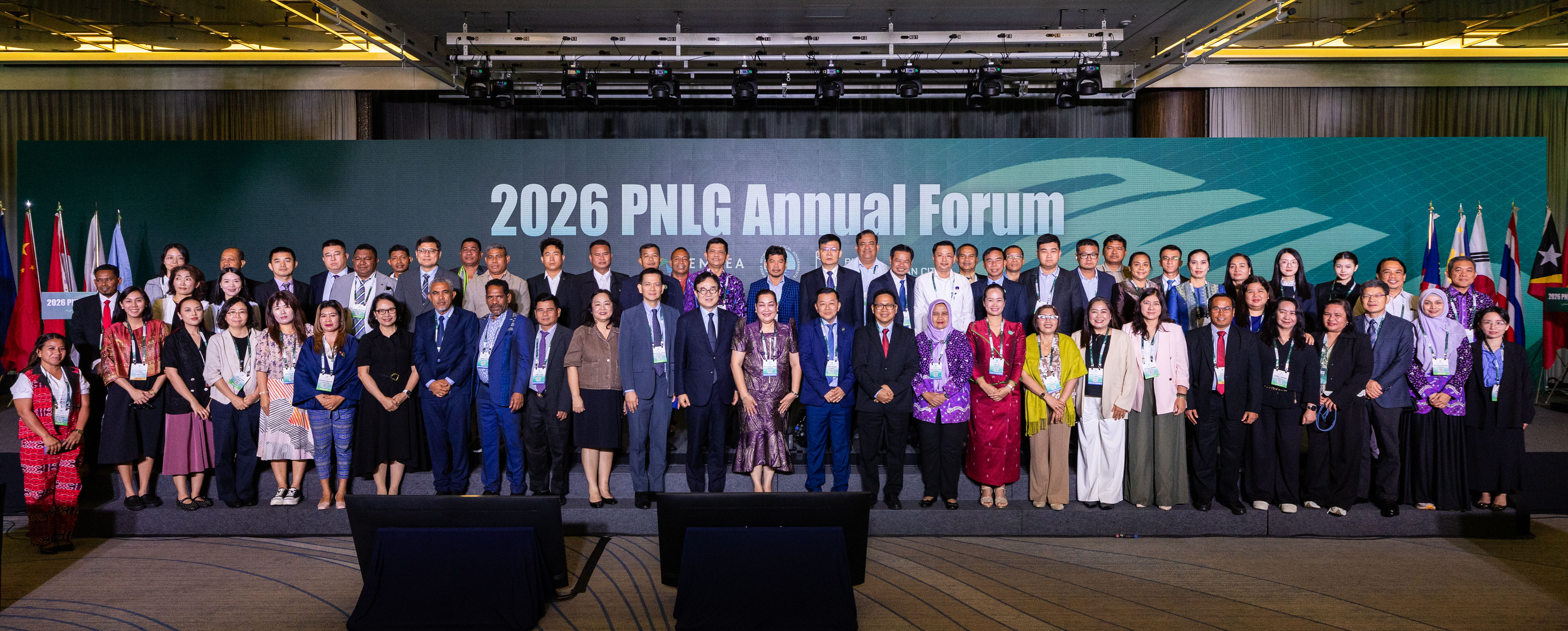
PNLG General Assembly Adopts Busan Declaration, Welcomes Atauro Island as New Member
Wednesday, 9 September 2026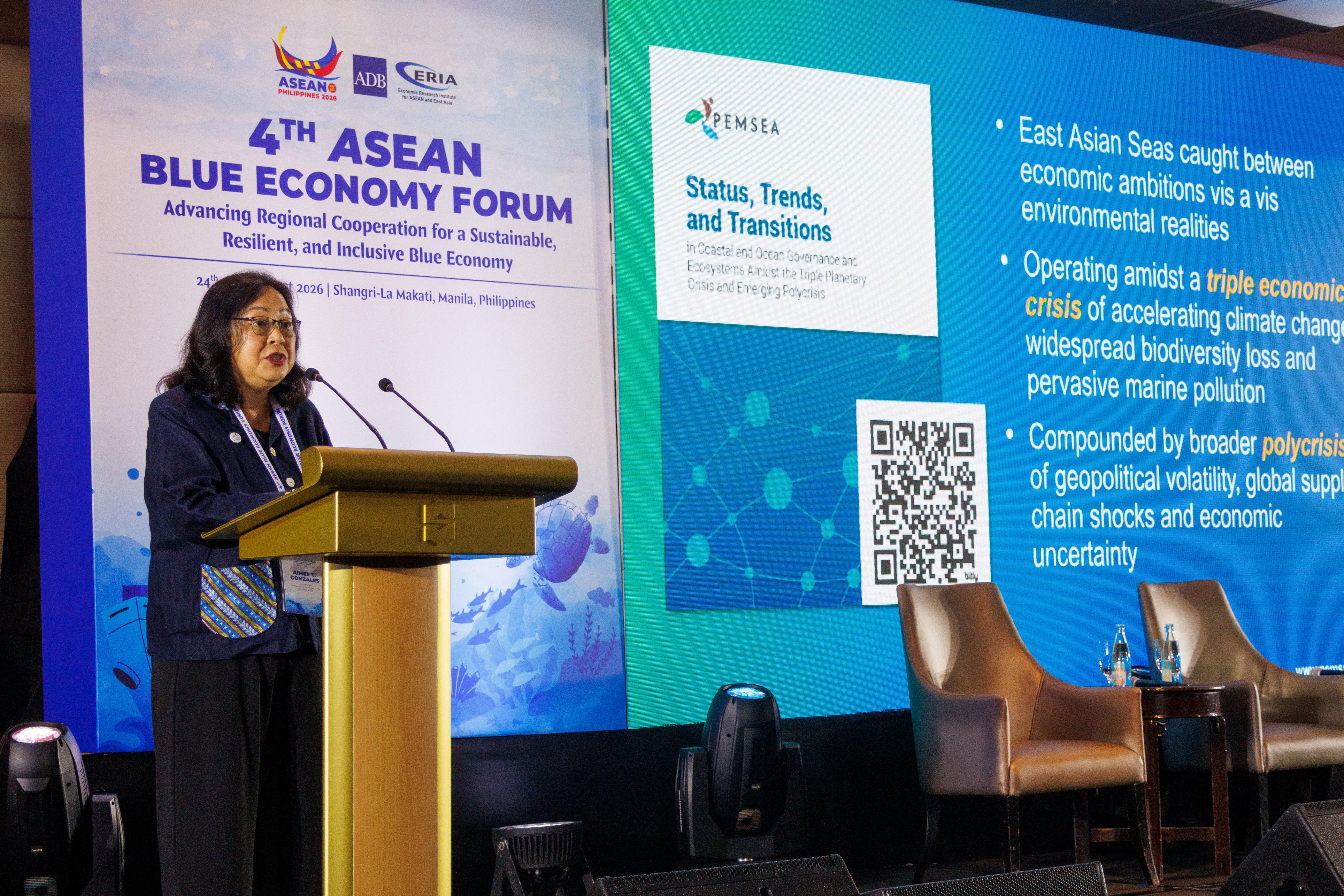
PEMSEA Anchors High-Level Dialogue on Navigating the Triple Planetary Crisis at the 4th ASEAN Blue Economy Forum
Friday, 28 August 2026